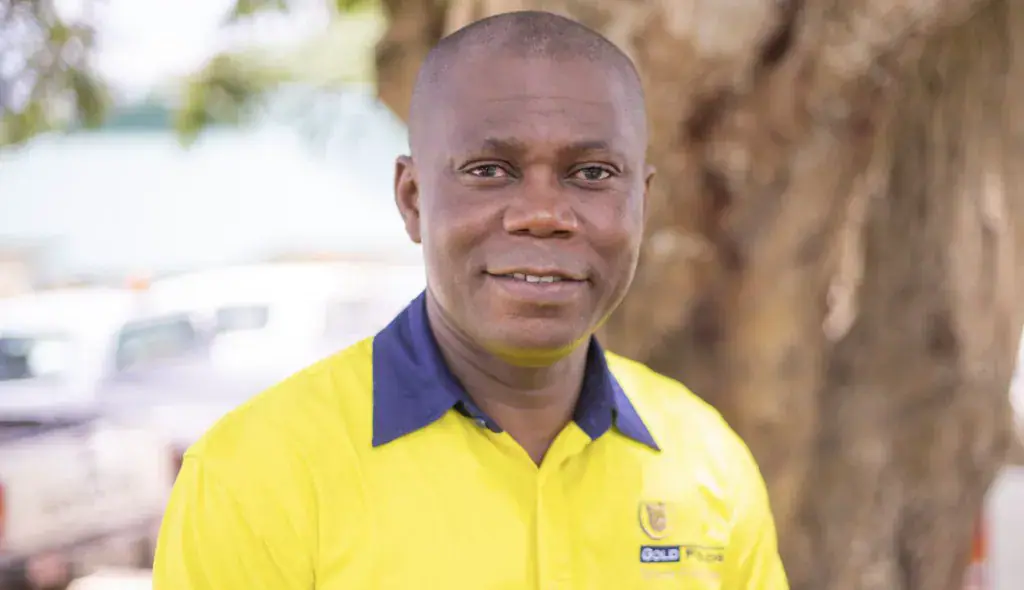
Gold Fields Ghana's Managing Director, Elliot Twum, has emphasized the company's significant contribution to Ghana's economy through its Tarkwa Mine operations. According to Twum, 74 cents of every dollar generated by the mine is retained in the local economy. This assertion was made in response to concerns raised by traditional authorities in the Western Region, who are demanding that the government hand over the mine to a new investor when its leases expire in April 2027.
The dispute between Gold Fields and the traditional councils comes amid significant investment in the Tarkwa Mine. Over the past five years, Gold Fields has spent $4.6 billion on procurement from local businesses and host communities. The company's contribution to Ghana's economy extends beyond taxes and royalties paid on gold extracted at Tarkwa. Twum stressed that the firm's focus is on sharing value and driving the fundamentals of the local economy.
Chiefs in the Western Region have accused Gold Fields of failing to deliver development benefits that match the scale of its operations at Tarkwa. The Wassa Fiase Traditional Council and the Apinto Divisional Council are pushing for the government to hand over the mine to a different investor once the current leases expire. This pressure follows Gold Fields' announcement that it will need a further $7.5 billion to keep the Tarkwa Mine running over the next two decades, in addition to over $5 billion already invested there over the past 30 years.
The Tarkwa dispute is part of a broader conversation about the control of Ghana's mineral resources and how local communities should benefit. In the Western North Region, the government has supported a $250 million Ecobank-arranged deal to expand the Ghana Bauxite Company's operations at Awaso. Meanwhile, operators of the Bogoso-Prestea Mine are pressing Parliament to speed up ratification of their mining lease.
The controversy surrounding mining in Ghana extends beyond the Tarkwa Mine. GoldCoast Resources Corporation's plan to dredge for gold along 300 kilometres of Ghana's shoreline from 2027 has raised concerns among environmental groups, including Friends of the Nation. The group warns that the plan could endanger millions of fishers and their dependants.
As the Tarkwa leases approach expiration in April 2027, the dispute between Gold Fields and the traditional councils leaves open the question of who the government will ultimately back for the renewal. Gold Fields' commitment to retaining 74 cents of every dollar earned in the local economy is a key factor in this decision. The company's investment in Ghana and its contribution to the local economy will likely play a significant role in the government's decision-making process.
The Managing Director of Gold Fields Ghana emphasized the importance of sharing value and driving the fundamentals of the local economy. With the expiration of the Tarkwa leases approaching, the government will need to consider the competing demands of traditional authorities, environmental groups, and mining companies. The decision will have significant implications for Ghana's mining industry and the local communities that depend on it.
Key points
- Gold Fields Ghana retains 74 cents of every dollar earned in the local economy through its Tarkwa Mine operations.