The Ghana Meteorological Agency (GMet) has issued a warning that a strong El Niño event developing in the Pacific Ocean is likely to influence Ghana's weather conditions into the first half of 2027. This weather phenomenon is expected to result in hotter temperatures, prolonged dry spells, and increased dust levels. According to GMet, observations from its monitoring systems and international climate institutions indicate that the El Niño event is intensifying.
El Niño is a natural warming of the central and eastern Pacific Ocean that influences rainfall and temperature patterns across the world, including West Africa. The Agency's forecast suggests that Ghana's experience with previous El Niño episodes, particularly the very strong events of 1982/83, 1997/98, and 2015/16, highlights the country's vulnerability to rainfall variability and its effects on agriculture, water resources, hydroelectric power generation, and public health.
GMet forecasts below-normal rainfall across most parts of the country, although some areas are expected to record above-normal rainfall. These include inland parts of Greater Accra and Central regions, south-western parts of the Volta and Eastern regions, parts of Bono and Savannah regions, and north-western parts of the Upper West Region. The Agency also expects warmer-than-average temperatures across most parts of Ghana, although cooler-than-average conditions are anticipated in the south-west and some parts of the Volta Region.
For the dry season, expected to run from late November 2026 to March 2027, GMet projects drier and dustier conditions in many areas, increasing the likelihood of bushfires, water shortages, and stress on crops and livestock. The Agency has also warned that the hot, dry, and dusty conditions could increase the seasonal risk of meningitis, particularly in northern Ghana. It expects the period between February and April 2027 to record the highest heat stress, especially in the northern parts of the country.
As part of precautionary measures, GMet has advised farmers to follow weather updates and agricultural advisories from the Agency and the Ministry of Food and Agriculture before planting or replanting. Farmers have also been encouraged to consider early-maturing and drought-tolerant crop varieties where appropriate and avoid bush burning. Residents in northern Ghana have been urged to minimise exposure to dust and seek immediate medical attention if they develop symptoms such as fever, severe headache, or a stiff neck.
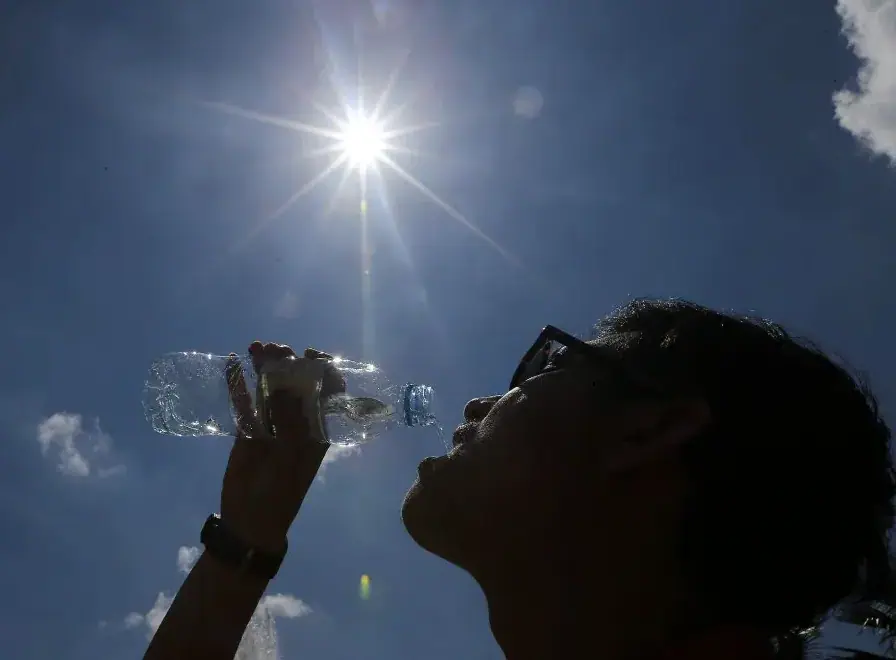
The general public has also been advised to drink sufficient water during hot periods, avoid strenuous outdoor activities during the hottest hours of the day, and check on vulnerable people, including older persons, young children, and those who are unwell. GMet further urged households and communities to conserve water and rely on official sources for weather information and updates. Despite the forecast of generally below-normal rainfall, communities along the Volta River and residents of flood-prone, low-lying urban areas have been cautioned against lowering their guard.
GMet says it is monitoring the El Niño event daily and will provide updated weather outlooks as conditions evolve, alongside its regular ten-day agricultural bulletins. The Agency will also collaborate with stakeholders in disaster risk management, energy, agriculture, water resources, health, local government, transport, minerals, and maritime sectors to ensure forecasts are translated into timely, location-specific preparedness and response measures.
Key points
- The Ghana Meteorological Agency warns of a strong El Niño event that is likely to influence Ghana's weather conditions into the first half of 2027.
- The event is expected to result in hotter temperatures, prolonged dry spells, and increased dust levels.
- GMet advises farmers, residents, and the general public to take precautionary measures to mitigate the effects of the El Niño event.