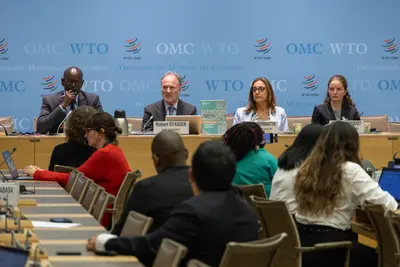
The recent World Trade Organisation Public Forum highlighted the need for a more competitive Africa in global trade. The African Continental Free Trade Area could complete the continent's transition to modern economic systems and provide a counterbalance to growing geopolitical rivalry. The forum brought together policymakers, business leaders, and civil society representatives to discuss global trade issues. The World Trade Organisation has 166 members and oversees 77% of global trade.
The author, N Nkateko Joseph Mabasa, attended the forum as part of a press junket and was impressed by Geneva's highly functional public transport network. The city's integrated transport system, which combines trams, buses, trains, and boats, runs consistently every 10 to 15 minutes. In contrast, similar ambitions in South Africa remain largely unrealised policy intentions. The disparity in security between Geneva and Johannesburg was also notable.
The World Trade Organisation is perceived by some as outdated, struggling with deadlocked negotiations and rising unilateral trade measures. However, officials insist that the organisation remains the preferred platform for global trade, with 22 countries applying to join. The Global South's trade output has increased significantly over the past three decades, from 22% to 45%.
The stakes are high, and tension is palpable in global trade, which is on the brink of collapse or new growth. The World Trade Organisation's response is adaptation and reform. Several officials suggested that the organisation is suffering from its own success, built around the idea that greater economic interdependence promotes peace, stability, and mutual growth.
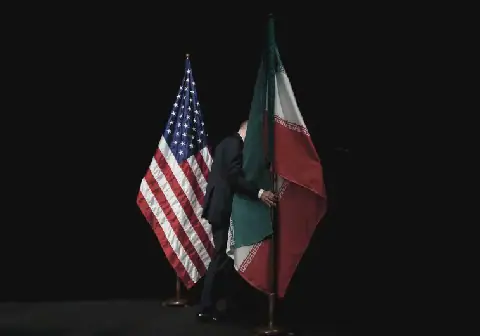
The rivalry between the United States and China is a significant challenge, referred to as the "elephant in the room". Developing countries in the Global South, particularly in Africa, are vulnerable to the impact of this rivalry. Africa's contribution to global trade remains below 3%, trailing significantly behind Europe, Asia, and North America.
The World Trade Report 2026 notes that Africa's economic indicators barely register as a going concern. However, there are opportunities for growth in Africa, with the continent recording the fastest regional growth in services exports in 2025 at 14%. This suggests that services trade is becoming an increasingly important source of export growth.
WTO member countries are at loggerheads on whether to end the moratorium on e-commerce and institute a tariff on digital services. Countries such as India and South Africa argue that the indefinite duty-free regime unfairly favours developed countries and large digital companies. The loss of tariff revenue to sub-Saharan African countries is estimated at $2.6 billion.
Key points
- African Continental Free Trade Area could provide counterbalance amid growing geopolitical rivalry.
- Africa's contribution to global trade remains below 3%.
- The World Trade Organisation oversees 77% of global trade.