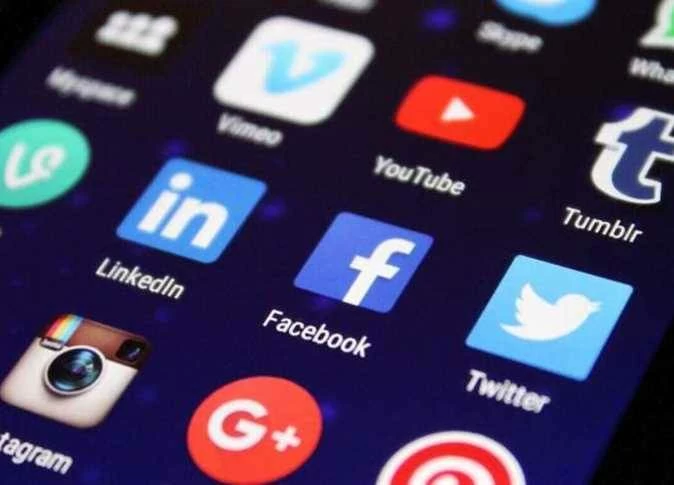
A recent survey conducted by the Pew Research Center has revealed that an increasing number of individuals globally are concerned about the negative impact of social media on democracy. The survey, which involved over 45,000 participants from 37 countries, found that many people believe social media platforms are spreading misinformation and dividing communities. This growing concern is reflected in the increasing scrutiny from governments and lawsuits against social media companies.
The survey results indicate that while many participants acknowledge that social media provides access to information and gives people a political voice, a rising number of individuals consider social media to be "a bad thing." This shift in perception is particularly notable in countries with high incomes, such as the United States, Canada, and Britain, where residents are more likely to believe that social media is harming democracy compared to those in low-income countries.
In the United States, 64% of adults surveyed stated that social media platforms are undermining democracy, one of the highest percentages globally. The survey also found that in Australia, which has banned social media use for individuals under 16, 82% of adults support allowing users to opt out of algorithms that suggest content. This suggests that there is a growing desire for greater control over social media and its impact on society.
Social media companies, including Meta, Snapchat, and TikTok, are facing thousands of lawsuits and significant financial settlements related to their negative effects on users. Governments are also seeking more stringent mechanisms to protect user privacy. The survey results highlight the need for these companies to address concerns about their impact on democracy and to develop strategies to mitigate these effects.
The Pew Research Center's survey involved a large and diverse group of participants, including 5,511 Americans. The results provide a comprehensive assessment of the impact of social media on politics and society. The survey's findings have significant implications for policymakers, social media companies, and individuals seeking to understand the complex relationships between social media, democracy, and society.
The growing concerns about social media's impact on democracy are reflected in the increasing number of governments and regulatory bodies taking action to address these issues. The survey's results highlight the need for continued research and dialogue about the role of social media in modern society and its impact on democratic institutions.
Key findings from the survey include the fact that a growing number of people worldwide are concerned about the negative impact of social media on democracy, that residents of high-income countries are more likely to believe that social media is harming democracy, and that there is a growing desire for greater control over social media and its impact on society.
Key points
- Social media companies are facing increasing scrutiny and regulation due to concerns about their impact on democracy.
- A growing number of people worldwide believe that social media is harming democracy by spreading misinformation and dividing communities.
- The survey's results highlight the need for continued research and dialogue about the role of social media in modern society and its impact on democratic institutions.