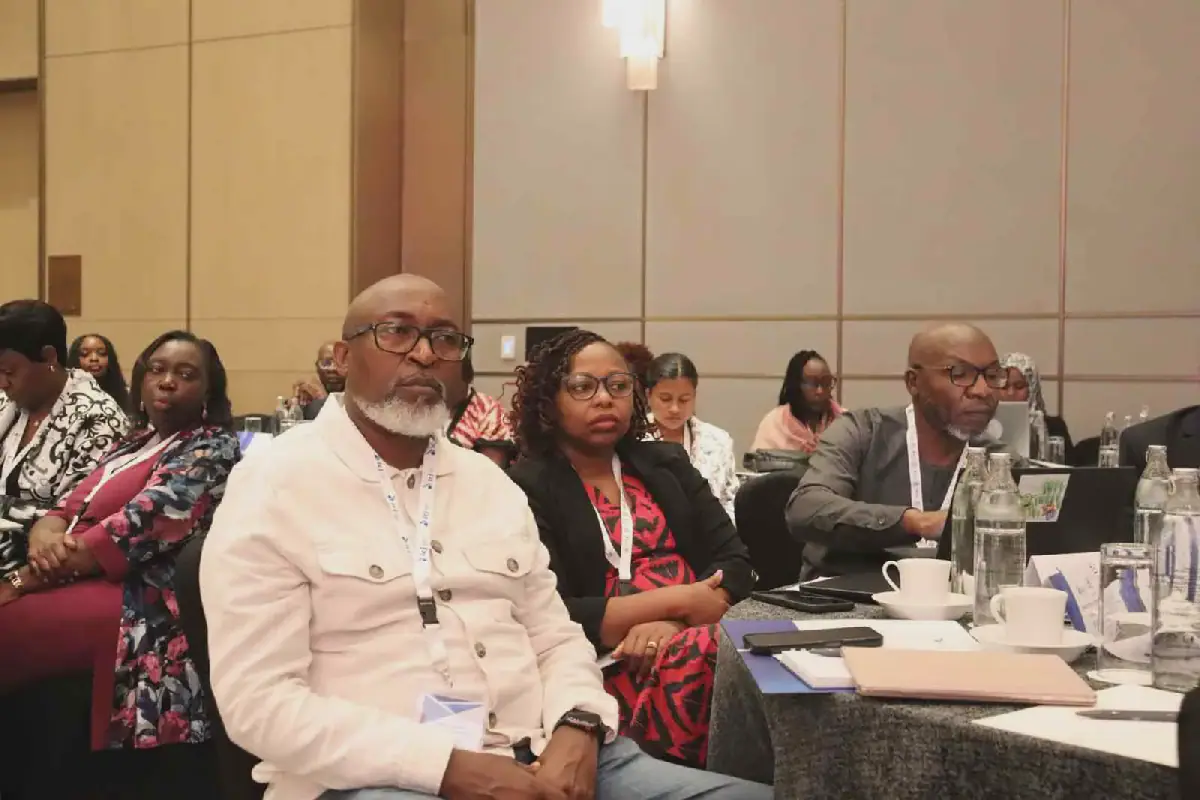
Jurists from the Global South are pushing for a greater say in international financial rules on debt, trade, and resource governance. They link economic inequality to human rights and accountability. The discussions are taking place at the annual conference of the International Commission of Jurists Kenya (ICJ Kenya) in Kuala Lumpur, Malaysia. The conference brings together legal practitioners, human rights advocates, researchers, and civil society representatives to examine inequalities in global justice systems.
The conference, themed "Beyond 1948: Forging a Global South Compact for Dignity, Sovereignty and Shared Prosperity," aims to address the unequal application of international accountability mechanisms and the structures that shape global economic relations. It opened on Thursday, October 29, with remarks from Christine Alai, chairperson of ICJ Kenya, and Jerald Joseph, a former commissioner of Malaysia's Human Rights Commission and director of Pusat KOMAS.
Keynote speakers at the conference include ICJ Kenya Executive Director Demas Kiprono and Supreme Court Judge Smokin Wanjala. A key session examined how states can exercise sovereignty without using it to shield governments and political elites from scrutiny over human rights violations, atrocity crimes, and economic offenses. The panel explored sovereignty as a responsibility to protect human dignity and uphold accountability.
Participants also examined the legacy of colonialism and the uneven application of international justice mechanisms. The discussion considered universal jurisdiction, which allows courts to prosecute certain serious crimes committed outside their national borders. The panel included Wanjala, Waikwa Wanyoike, director of strategic litigation and learning at the Open Society Justice Initiative, human rights lawyer Zaid Malik, and Alai.
The conference is examining how countries in the Global South can work together to influence international rules on debt, trade, finance, and resource governance. The discussions link economic sovereignty to human rights, with participants considering how reforms to global institutions could address structural inequalities alongside legal accountability.
The second day of the conference, scheduled for Friday, October 30, will focus on generational demands for accountability, digital rights, data sovereignty, climate reparations, and environmental sovereignty. Sessions will examine how young people are challenging established political institutions and questions surrounding ownership and governance of data.
The conference is expected to culminate in the adoption of the Kuala Lumpur Declaration, which outlines a proposed Global South Compact on dignity, sovereignty, and shared prosperity. ICJ Kenya promotes the rule of law, the protection of human rights, and judicial independence through legal advocacy, research, litigation, and capacity building.
Key points
- Jurists from the Global South are pushing for greater influence over international financial rules on debt, trade, and resource governance.