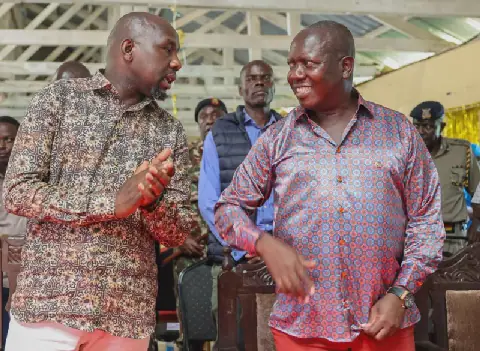
The 7th World Media Summit, co-organized by Xinhua News Agency and the Beijing municipal government, has drawn nearly 500 representatives of media outlets, think tanks and government bodies from 112 countries and regions. The summit, initiated in 2009, has become a major platform for exchange and cooperation among media leaders and professionals across regions and language communities. This year's event runs from November 5th to 9th.
Kenedid Ibrahim Houssein, director of publication of La Nation in Djibouti, emphasized the importance of the summit in bringing media outlets together to discuss the future of the industry. He expressed hope for further partnership with China on information sharing based on this platform. Similarly, Ghislain Ruffin Etoughet Nzuet, chairman of the board of directors at Gabon Broadcasting Corporation, highlighted the need for African countries to tell their own stories and speak for themselves.
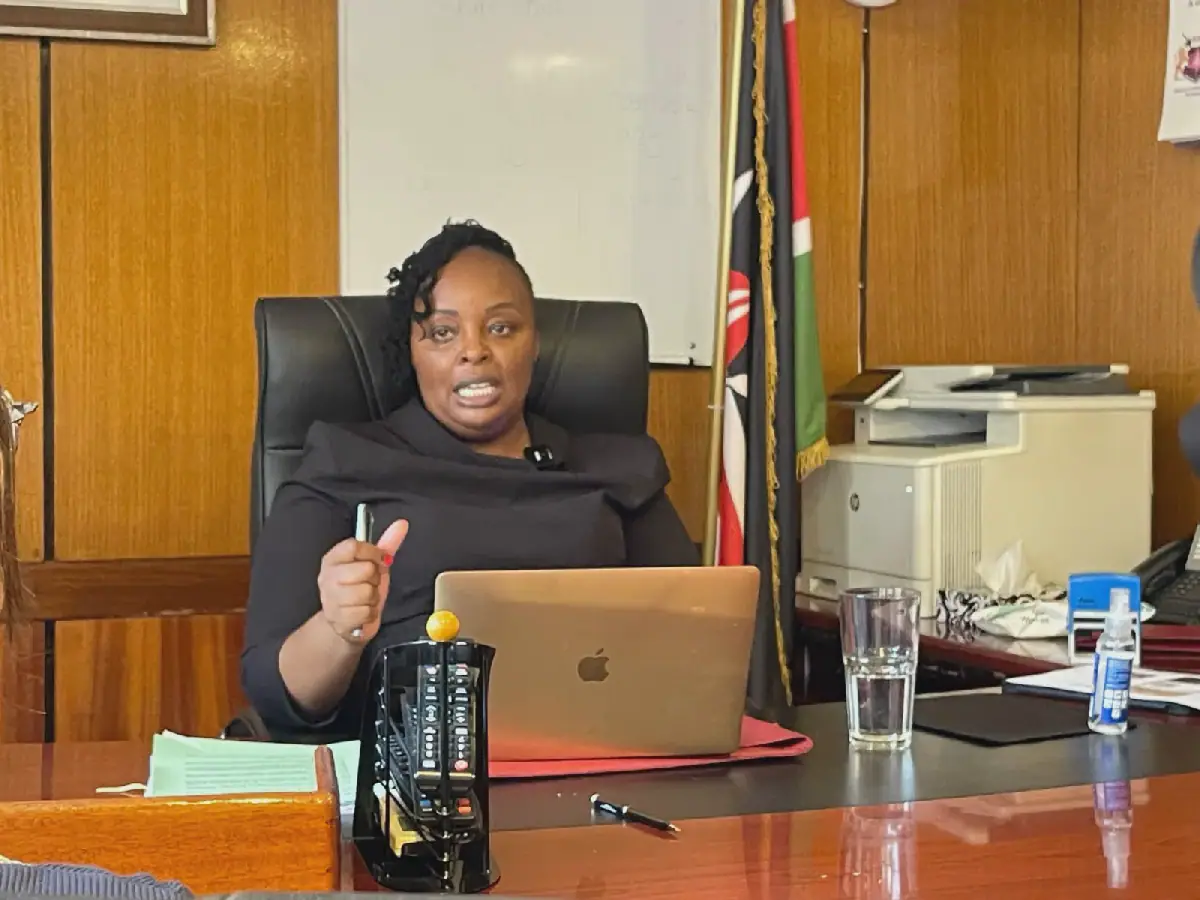
Agnes Kalekye Nguna, managing director and CEO of Kenya Broadcasting Corporation, stressed the importance of dialogue among civilizations on an equal footing. She called for more initiatives to expand exchanges and deepen media cooperation between Africa and China. A partnership that benefits both sides could inspire similar efforts elsewhere in the Global South and beyond.
Delegates are also discussing how Global South countries could work together to help their media organizations adapt as AI use expands across the industry. Aminath Namza, chairperson of Public Service Media in the Maldives, raised concerns about ensuring smaller nations have a meaningful voice in shaping the future of AI. Many AI models are trained on data drawn mainly from societies with a greater digital presence, which may not reflect the languages, cultures and realities of smaller nations.
The 7th World Media Summit released the Global Media Initiative for the Joint Development of AI Application Standards, launched by Xinhua. The initiative brings together major media outlets and other professional organizations to safeguard the authenticity of information, protect data security, and uphold media ethics. Participants plan to work together for about two years to develop a set of standards that address different media uses of AI and are validated by media outlets.
Najeh Missaoui, director general and CEO of Tunis Afrique Presse, regards the initiative as a major step forward. Mohammed Alyami, director general of the Union of News Agencies of the Organization of Islamic Cooperation, also welcomed the initiative, saying it ensures the Global South will have a hand in shaping the rules for AI. Wong Chun Wai, chairman of the Malaysian National News Agency (Bernama), emphasized the need for media organizations to invest in advanced AI tools and train staff to use them effectively.
The 7th World Media Summit Beijing Consensus, adopted at the summit, calls for joint efforts to advance the transformation and development of the global media industry in the AI era. It commits to advancing the inclusive and responsible application of AI in the media sector so that advances in AI benefit media organizations at all stages of development and in every country.
Key points
- Senior media professionals from the Global South have called for closer cooperation at the 7th World Media Summit in Beijing to give their countries a stronger voice in global coverage as artificial intelligence (AI) reshapes the industry.
Reporting sources
- Global South delegates seek stronger voice at World Media Summit in Beijing · Kenya Broadcasting Corporation