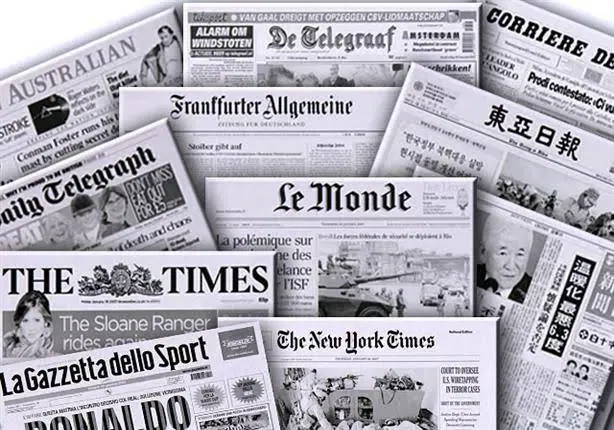
Global newspapers have highlighted significant developments in international relations and security concerns. The UK is considering expelling Israeli diplomats due to tensions over the British consulate in East Jerusalem. This move is part of a broader strain in UK-Israel relations, fueled by the ongoing conflict in Gaza and differing stances on Israeli policies. The British consulate plays a crucial role in UK-Palestinian relations and is a key channel for British engagement on Jerusalem and the West Bank.
The Washington Post reported on Russia's escalating gray zone warfare against European countries. This involves using non-military tools such as cyberattacks, disinformation campaigns, and political interventions to pressure European governments. These actions are part of a broader strategy to weaken Europe's stance and reduce support for Ukraine. The conflict in Ukraine and debates within some European countries about the cost of continued military and economic support for Kyiv have heightened tensions.
French newspaper Le Monde highlighted Israel's security measures on the third anniversary of the October 7 attacks. Israeli authorities are on high alert, fearing new attacks or acts of violence during memorial ceremonies. This heightened state of alertness comes as Israel faces multiple security threats and continues operations amid ongoing regional tensions.
The New York Times revealed that advisors to former US President Donald Trump provided political advice to the government of Republika Srpska in Bosnia and Herzegovina, a government closely aligned with Moscow. This has raised questions about the nature of these relationships and the limits of political activity by American advisors abroad. The issue has gained significance ahead of the US midterm elections and amid concerns about US-Russia relations and American policy towards Eastern Europe.
The Guardian reported on health concerns in Russia following the death of a worker at a Russian institute focused on combating epidemics. There are fears that the worker may have died from pneumonic plague, prompting increased scrutiny of the incident. The situation has raised questions about safety protocols within specialized laboratories handling high-risk biological materials.
European newspapers, including The Guardian, Le Monde, and Bild, have covered the growing tensions related to the Gaza conflict and the third anniversary of the October 7 attacks. These developments have significant implications for European-Israeli relations and internal discussions on foreign policy, security, and counter-extremism. The conflict in Gaza is no longer seen as a regional issue confined to the Middle East but has become a political and security concern affecting Europe.
The developments have sparked varied reactions across Europe, with some countries facing internal divisions over their approach to Israel and the Gaza conflict. There is growing pressure on European governments to take firmer stances on protecting civilians and addressing the humanitarian situation in Gaza. Meanwhile, concerns persist about the potential for the conflict to impact Europe, whether through protests, societal tensions, or security threats linked to the escalation in the Middle East.
Key points
- The UK is considering expelling Israeli diplomats amid tensions over the British consulate in East Jerusalem.
- Russia is escalating its gray zone warfare against European countries through cyberattacks, disinformation, and political interventions.
- Israel is on high alert on the third anniversary of the October 7 attacks, fearing new attacks or acts of violence.