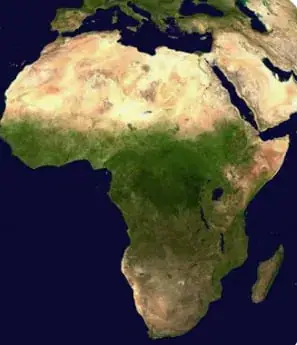
The competition for Africa's attention has intensified, with global powers such as Russia, China, the United States, and the European Union, all seeking to establish themselves as the continent's preferred partner. At the center of this competition are Africa's critical minerals, a young and growing market, and the continent's significant voting power in global forums. Each power is promoting its own narrative, with some touting their opposition to neo-colonial exploitation, while others emphasize trade, security, and investment.
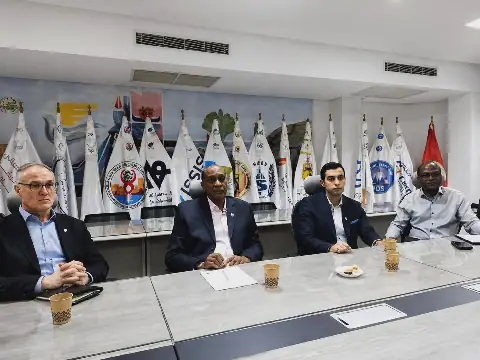
The recent Russia-Africa Summit, held on October 28 and 29, 2026, was the latest example of this competition. Russian President Vladimir Putin told African leaders that Russia is their best partner, accusing the West of colonial habits and using debt to hold Africa back. The summit aimed to secure concrete agreements in trade, investment, infrastructure, and energy. This event followed a series of similar summits and high-level visits by other major powers, including the US-Africa Leaders Summit and the EU's Global Gateway initiative.
The US-Africa Leaders Summit, attended by 49 African leaders, saw US President Joe Biden assert that the US was "all in on Africa's future." The EU's Global Gateway initiative promised 150 billion euros in investments in 2022, while China's Belt and Road initiative has already brought in 37 of Africa's 55 countries. These investments have sparked concerns about the terms of these partnerships, including debt, raw-material exports without value addition, and security deals without accountability.
African states have gained from multiplying partners, as choice improves bargaining power. However, the risk lies in the terms of these partnerships. The African Union recognizes nine partnerships, with mixed results in coordinating them. Analysts argue that the problem is not a shortage of partners but a shortage of a common African position. A bargain made country by country is weaker than one made by a bloc that agrees on minimum terms for minerals, debt, and security.
The Gulf states and Türkiye have also made significant inroads in Africa, giving African nations more choice and bargaining power against the EU. In the Sahel region, an analysis points to rivalry between Russia and Türkiye over arms procurement. Africans are being asked to prove loyalty to whoever is hosting, which has raised concerns about the continent's sovereignty.
To navigate this complex landscape, Africa needs to decide what it wants from the table and then invite partners who will deliver on African terms. These terms include local processing, fair financing, technology transfer, and respect for sovereignty. Until then, every summit will look more like a sales pitch than a partnership. The African Union and its member states must develop a common position to negotiate with global powers.
The way forward for Africa is to prioritize its interests and negotiate partnerships that deliver tangible benefits. This requires a coordinated approach, with African countries presenting a united front in negotiations with global powers. By doing so, Africa can maximize its gains and minimize the risks associated with the current competition for its attention.
Key points
- Africa's growing importance as a market and a source of critical minerals has sparked a competition among global powers for its attention.
- The terms of partnerships between Africa and global powers are a major concern, with risks including debt, raw-material exports without value addition, and security deals without accountability.
- A common African position is necessary to negotiate effectively with global powers and secure partnerships that deliver tangible benefits.