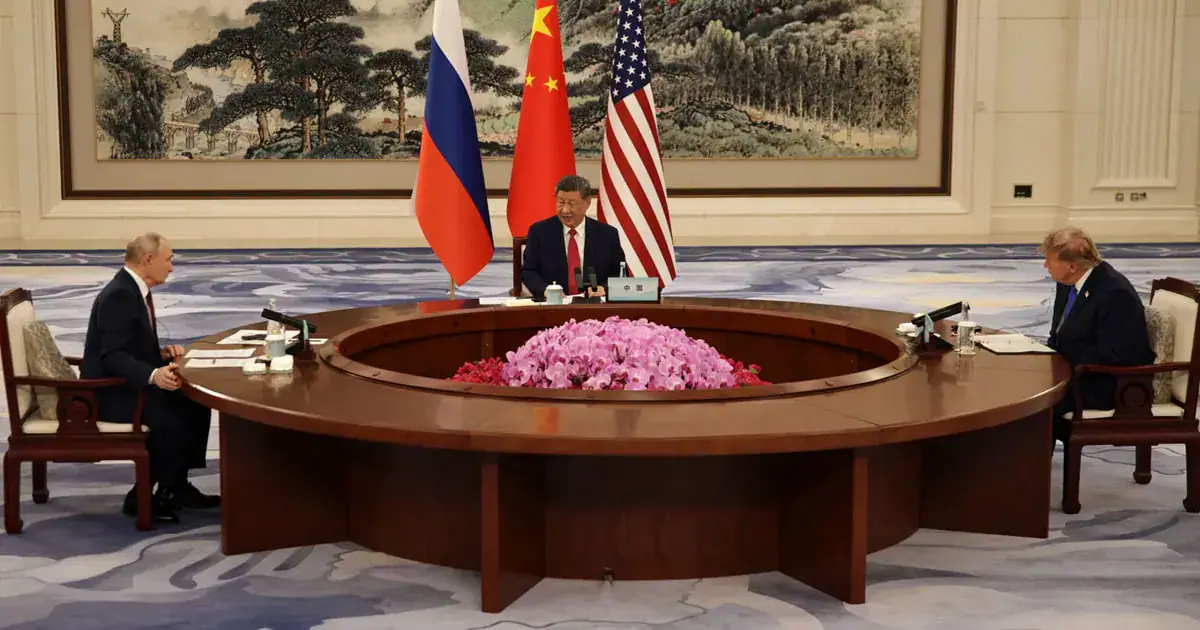
The global landscape is undergoing a profound transformation, with seismic shifts in power dynamics that are redefining the international order. The post-World War II era, symbolized by the Yalta Conference, is giving way to a new reality where emerging powers are challenging the dominance of traditional powers. This shift is driven by changes in economic, military, and technological capabilities, as well as the rise of new global players.
The Yalta Conference, which took place in 1945, marked the beginning of the post-war order, with the United States, the United Kingdom, and the Soviet Union emerging as the dominant powers. However, the world has changed significantly since then, with decolonization, the rise of new global players, and the evolution of international institutions. The current global order is characterized by a complex interplay of power dynamics, with multiple centers of influence and competing interests.
The rise of China is a significant factor in the emerging global order, with the country seeking to play a more significant role in shaping international relations and global governance. China's growing economic and military capabilities, as well as its Belt and Road Initiative, are redefining its position in the world. The United States and Russia, despite their significant military and economic capabilities, are facing challenges to their dominance, with their influence and power being contested by emerging powers.
The Middle East is a critical region in the emerging global order, with its strategic location, energy resources, and transportation routes making it a hub of international interest. However, the region's complexities and challenges, including conflicts, terrorism, and sectarian divisions, require a nuanced approach that takes into account the interests and aspirations of its people. The region's future is likely to be shaped by its ability to navigate these challenges and assert its sovereignty.
The emerging global order is characterized by a multipolar world, with multiple centers of influence and competing interests. This shift requires a new approach to international relations, one that takes into account the changing power dynamics and the interests of emerging powers. The international community must work to establish a new global order that is more inclusive, equitable, and just, and that reflects the changing realities of the world.
A key challenge in the emerging global order is the need to establish a new framework for international relations that is based on the principles of justice, equality, and respect for sovereignty. This requires a shift from the traditional approach to international relations, which has been based on the dominance of a few powerful nations. The international community must work to establish a new global order that is more inclusive and equitable, and that reflects the changing realities of the world.
The future of the global order will depend on the ability of the international community to navigate the complexities of the emerging power dynamics and to establish a new framework for international relations. This will require a nuanced approach that takes into account the interests and aspirations of all nations, as well as the need for a more inclusive and equitable global order. The stakes are high, and the outcome will shape the future of the world for generations to come.
Key points
- The emerging global order is characterized by a shift in power dynamics, with emerging powers challenging the dominance of traditional powers.
- The rise of China is a significant factor in the emerging global order, with the country seeking to play a more significant role in shaping international relations and global governance.
- The international community must work to establish a new global order that is more inclusive, equitable, and just, and that reflects the changing realities of the world.