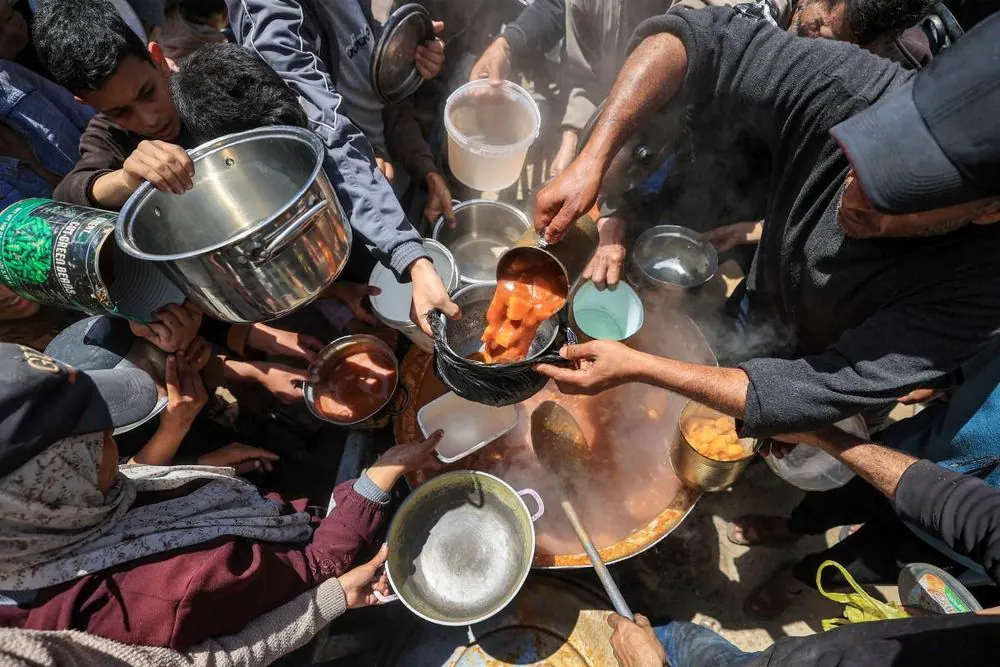
The United Nations Development Programme (UNDP) has reported that global poverty has risen for the first time since 2010, with 1.2 billion people now facing acute hardship. This represents an increase of 51.5 million people compared to the previous year. The UNDP's global poverty index, which includes indicators such as lack of adequate housing, sanitation, electricity, cooking fuel, food, and education, has shown a rise in poverty for the first time since its creation in 2010.
According to UNDP Administrator Alexander De Croo, the increase in poverty should be a "wake-up call for the world." He stated that behind the figures are 1.2 billion people facing hardships that reinforce one another, including hunger, missed schooling, and a lack of clean water or electricity. The UNDP report also found that more than half of those in acute poverty were children, highlighting the disproportionate impact of poverty on young people.
The UNDP report noted that population growth was a major factor in the recorded increase in poverty, and that new data was only available for 13 of the 108 developing countries covered by the report. Despite this, the report provides a mixed picture, with 33 nations having halved the percentage of their people living in poverty as defined by the index in the past 15 years. Six countries in sub-Saharan Africa were among those that have made significant progress in reducing poverty.
Countries in Asia, such as China and Vietnam, were also noted for their rapid progress in reducing poverty. The report found that the majority of the poorest people live in sub-Saharan Africa and South Asia, specifically the Indian subcontinent, which is the most densely populated region on Earth. In some countries, such as Egypt, Nepal, and Tajikistan, both the poverty rate and the number of people experiencing multidimensional poverty have decreased significantly.
However, in other countries, such as Angola and Zambia, the poverty rate has declined, but population growth has more than offset this decrease, resulting in an increase in the number of people living in poverty. The UNDP report emphasizes that the poverty index used includes a range of indicators, providing a comprehensive picture of poverty and its impacts.
The report's findings have significant implications for global efforts to reduce poverty and improve living standards. The UNDP is calling for increased efforts to address the root causes of poverty, including lack of access to education, healthcare, and economic opportunities. The report also highlights the need for targeted interventions to support vulnerable populations, such as children and young people.
The increase in global poverty is a significant setback for international efforts to achieve the Sustainable Development Goals (SDGs), which include eradicating poverty in all its forms by 2030. The UNDP report emphasizes that urgent action is needed to address the rising poverty and to ensure that progress is made towards achieving the SDGs.
Key points
- 1.2 billion people now facing acute hardship
- Population growth a major factor in recorded increase in poverty
- 33 nations have halved percentage of people living in poverty in past 15 years