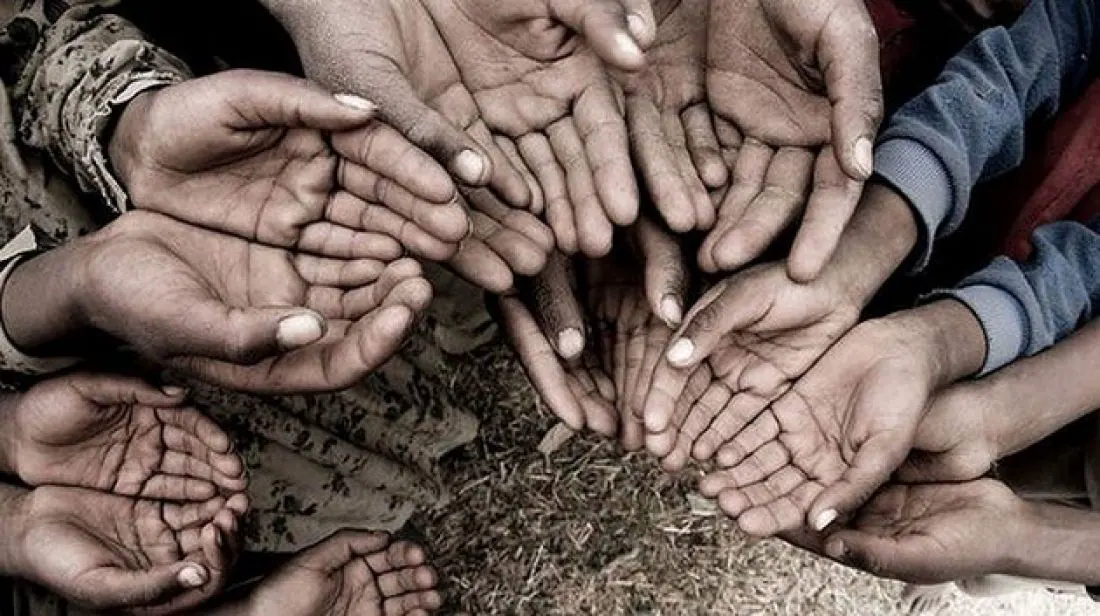
The global multidimensional poverty index has recorded its first increase since its inception in 2010, according to a report released by the United Nations Development Programme (UNDP) in collaboration with the Oxford Poverty and Human Development Initiative (OPHI). The report, covering 108 countries with a total population of 6.3 billion, reveals that 1.2 billion people worldwide suffer from severe multidimensional poverty. This represents an increase of 51.5 million people compared to the previous year.
The UNDP's report highlights that 18.9% of the total population covered by the index is affected by poverty. The multidimensional poverty index assesses deprivation in basic needs, including adequate housing, sanitation, electricity, cooking fuel, food, and access to education. The index also reveals that children make up more than half of those suffering from multidimensional poverty, accounting for 51.5% of the total.
Geographically, 83.3% of those suffering from multidimensional poverty live in rural areas, with the majority concentrated in sub-Saharan Africa and southern Asia. The report provides estimates at the sub-national level, covering 1360 areas across 100 countries, allowing for a more localized presentation of poverty data.
The report's findings have been described as a "wake-up call" for the world by UNDP Director, Alexander de Croo. He emphasized that 1.2 billion people face interconnected challenges, including hunger, school dropout rates, and limited access to clean water and electricity.
The UNDP and OPHI attribute the increase in multidimensional poverty to population growth. The 2026 update is based on new surveys from 13 countries out of the 108 covered in the report. While 33 countries have successfully reduced multidimensional poverty levels by half in under 15 years, including six in sub-Saharan Africa, the report notes that progress has been most rapid in Asia, particularly in China and Vietnam.
Despite the overall increase in multidimensional poverty, de Croo stressed that progress in poverty reduction is possible, citing examples of countries that have made significant strides through collective action. The report's findings underscore the need for sustained efforts to address poverty and its multiple dimensions.
The 2026 report provides a comprehensive overview of global poverty trends, highlighting both challenges and successes in poverty reduction. As the world grapples with rising poverty levels, the UNDP and OPHI emphasize the importance of continued collaboration and targeted interventions to address the complex and interconnected issues surrounding poverty.
Key points
- The global multidimensional poverty index has risen for the first time since its launch in 2010, with 1.2 billion people worldwide suffering from severe poverty.