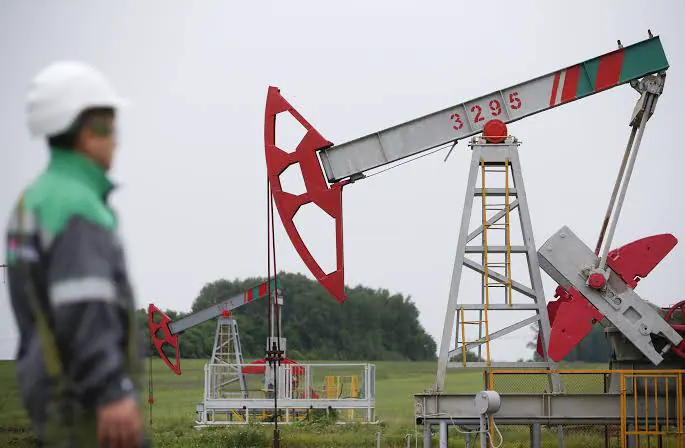
A senior executive in the oil sector has warned that the world's oil reserves are almost depleted, making the global market more susceptible to supply shortages and upward pressure on prices. The warning was issued during a forum held in London this week, where industry experts discussed the current state of the global oil market. The executive noted that governments and energy companies have been drawing on oil reserves to alleviate pressure on the global crude market, which has faced unprecedented disruptions this year.
The global oil market has been impacted by conflicts in the Middle East and Ukraine, leading to a significant reduction in available oil supplies. According to the executive, over a billion barrels of oil have been withdrawn from reserves since the start of the crisis, mostly from onshore commercial stockpiles. This has left the market with limited buffers to absorb future shocks. The situation has raised concerns about the ability of the market to meet demand, which currently stands at around 102 million barrels per day.
The President and CEO of Saudi Aramco, Amin Nasser, provided a stark assessment of the situation, stating that less than six billion barrels of commercial oil reserves remain, with the majority not readily available for use. This has put the system under significant strain, according to Nasser. The depletion of oil reserves has significant implications for the global economy, as it could lead to higher prices and reduced economic growth.
In response to the crisis, the International Energy Agency (IEA) is planning to release 100 million barrels of crude oil and diesel to help alleviate high diesel prices. However, it is unclear whether this will include quantities from the agency's first-ever coordinated release of 400 million barrels in March, which has yet to reach the market. The IEA's move aims to stabilize the market and provide relief to consumers.
Nasser noted that the IEA's decision to release oil reserves was the result of lengthy negotiations, but expressed skepticism about the agency's ability to provide the full amount. He cited the critical state of oil reserves, with only around 10% available for use. This has raised concerns about the ability of the market to respond to future shocks.
The depletion of oil reserves has significant implications for the global economy, as it could lead to higher prices and reduced economic growth. The situation has highlighted the need for increased investment in oil production and exploration to ensure that the global market has a stable supply of oil. Industry experts are closely monitoring the situation and are urging caution to avoid exacerbating the crisis.
The global oil market is facing significant challenges, including supply disruptions and rising demand. The depletion of oil reserves has added to these challenges, making it essential for industry experts and policymakers to work together to find solutions. The situation will continue to be closely monitored, and any further developments are likely to have significant implications for the global economy.
Key points
- Global oil reserves are nearly depleted, making the market more vulnerable to supply shortages and price increases.
- The International Energy Agency is planning to release 100 million barrels of crude oil and diesel to help alleviate high diesel prices.
- The depletion of oil reserves has significant implications for the global economy, including higher prices and reduced economic growth.