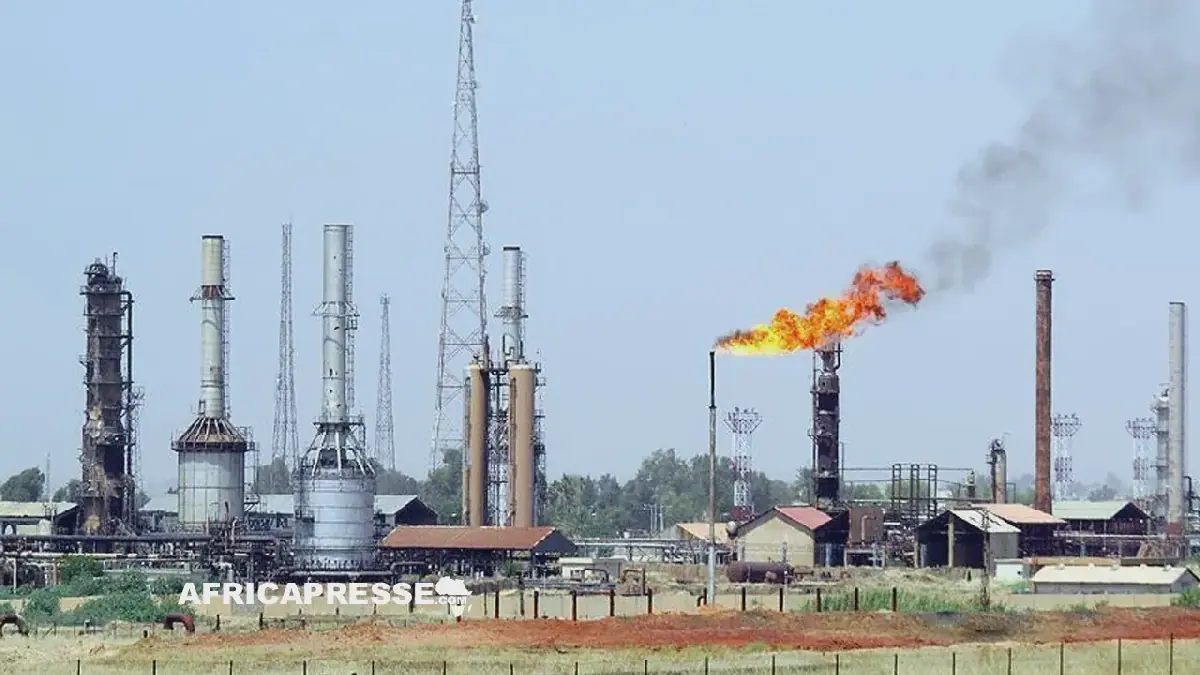
The global oil market has witnessed a significant shift, with production now exceeding consumption, a first since the Israel-Iran conflict started. According to the International Energy Agency (IEA), the world is expected to see an excess of two million barrels of oil per day this quarter. This change is largely attributed to increased exports from the Gulf region, particularly from Saudi Arabia and Iraq, which have seen a substantial rise in production.
The surge in Gulf exports has been remarkable, with levels reaching 74% of pre-war production. This resurgence, combined with indications that US President Donald Trump may not pursue further military action in Iran, has helped ease market tensions. Trump's comments that "we don't need an agreement with Iran. That era is long gone" have contributed to the market's cautious optimism. As a result, Brent crude prices have dropped below $90 per barrel, with a 18% decline since the start of the month.
The current market dynamics mark a departure from the extreme tensions witnessed in recent months. The Israel-Iran conflict had initially raised concerns about a potential global shortage, leading to a spike in oil prices. However, the gradual restoration of Gulf export capacities has altered the equation, despite ongoing security risks. The IEA's revised forecast reflects this new reality, which is also influenced by a sluggish global demand for oil.
A key factor contributing to the supply surplus is the weakness in global oil demand. Despite high pump prices, consumers are reducing their consumption, and the growing popularity of hybrid and electric vehicles is also affecting demand. The IEA predicts that global oil consumption will decrease by nearly three million barrels per day in 2026 compared to the previous year. This structural weakness in demand is a significant factor in the current market surplus.
Another potential factor that could help stabilize oil prices is the upcoming talks on the Ukraine-Russia conflict. Representatives from the US, European countries, including France, and the two warring nations will engage in discussions. Any progress toward de-escalation could lead to reduced risk premiums on crude oil, further alleviating market pressures.
Nevertheless, market analysts caution that the current situation remains fragile. An incident in the Gulf or a sudden surge in demand could quickly reverse the trend. The surplus in oil production provides temporary relief to importing economies but is vulnerable to disruptions in maritime trade routes and fluctuations in global demand.
The coming weeks will be crucial in determining whether the current supply surplus is a temporary phenomenon or a sign of a more sustained rebalancing of the global oil market. As the situation unfolds, market participants will closely monitor developments in the Gulf region, global demand trends, and geopolitical events that could impact oil prices.
Key points
- Global oil production exceeds consumption for the first time since the Israel-Iran conflict began.
- The surplus is attributed to increased exports from the Gulf region and weak global demand.
- The market remains vulnerable to disruptions and fluctuations in demand.