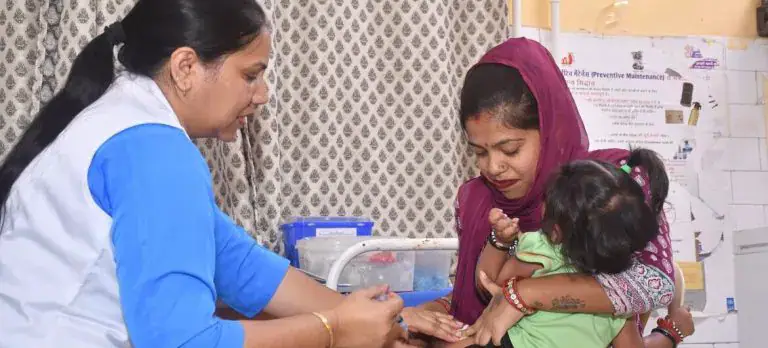
According to a report published by the World Health Organization (WHO) on November 27, 2026, measles deaths have decreased by 91% worldwide since 2000, reaching approximately 72,000 in 2025. Despite this progress, nearly 29 million children remain undervaccinated, exposing several countries to new epidemic outbreaks. The WHO emphasizes that since the beginning of the century, measles vaccines have saved over 60 million lives.
The global vaccination coverage for measles remained relatively stable in 2025, with 84% of children receiving their first dose and 77% receiving their second dose. However, significant disparities exist depending on the country's income level. In low-income countries, these rates stand at 69% and 57%, respectively, compared to 93% and 91% in high-income countries. Children living in conflict and crisis zones are particularly vulnerable due to limited access to vaccination services.
In 2025, a total of 59 countries experienced significant measles outbreaks or epidemics that disrupted their healthcare systems. Eleven of these outbreaks occurred in countries previously declared measles-free. Regional trends vary, with nearly half of the world's reported cases in 2025 occurring in Southeast Asia. In the Americas, measles infections have increased by eight times since 2000, with approximately 73,000 cases recorded last year.
The WHO Director-General, Tedros Adhanom Ghebreyesus, highlighted that measles deaths have never been lower, thanks to the extraordinary power of vaccines to save lives. However, he urged countries to maintain their efforts to preserve these gains. The WHO also notes that the COVID-19 pandemic has led to a decline in vaccination coverage in some regions, further threatening progress toward measles elimination.
Measles can lead to severe complications, including blindness, pneumonia, and encephalitis, which can cause permanent neurological damage or death. To address these risks, the WHO calls on governments to ensure that every child receives two doses of the measles vaccine, strengthen epidemiological surveillance, and maintain sustained political commitment. The Measles and Rubella Partnership, which includes the WHO, UNICEF, Gavi, and the American Red Cross, supports countries in strengthening their vaccination programs and responding to outbreaks.
As of the end of 2025, 95 countries had officially achieved or maintained measles elimination status. The WHO emphasizes that continued vigilance and effort are necessary to protect these gains and prevent the resurgence of measles. The organization encourages countries to prioritize measles vaccination and surveillance to ensure that progress toward elimination is sustained.
The decline in measles deaths is a significant public health achievement, but the ongoing risk of outbreaks highlights the need for continued investment in vaccination programs and surveillance. The WHO and its partners will continue to work with countries to strengthen their measles control efforts and ensure that the progress made since 2000 is not reversed.
Key points
- Measles deaths have decreased by 91% worldwide since 2000, but 29 million children remain undervaccinated.
- The global vaccination coverage for measles remained relatively stable in 2025, but disparities exist depending on the country's income level.
- The WHO calls on governments to ensure that every child receives two doses of the measles vaccine, strengthen epidemiological surveillance, and maintain sustained political commitment.
Reporting sources
- Côte d’Ivoire-AIP/Inter/ Les décès dus à la rougeole en baisse de 91% dans le monde depuis 2000 (OMS) · Agence ivoirienne de presse