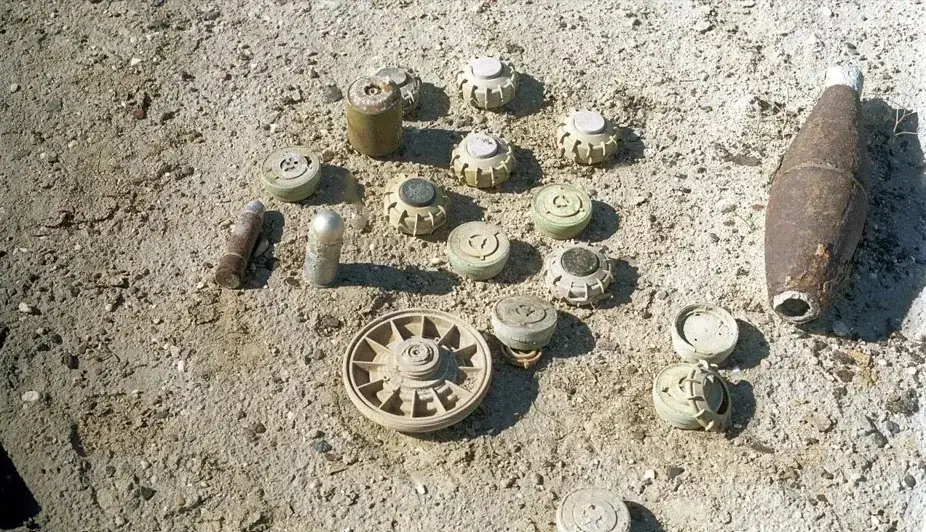
The International Campaign to Ban Landmines' Landmine Monitor 2026 found that landmines and unexploded ordnance killed or injured at least 6,929 people in 2025. This represents a 10% increase over the previous year and the highest annual figure since 2020. The report highlights the devastating impact of landmines on civilians, who made up 84% of identified victims.
Children are disproportionately affected by landmines, accounting for half of civilian casualties where ages were recorded. The report notes that children are especially at risk because they may mistake mines for toys, a danger amplified by curiosity and lack of awareness. This vulnerability underscores the need for continued efforts to clear contaminated areas and raise awareness about the risks of landmines.
Myanmar recorded the largest national toll with 1,891 deaths or injuries, marking the third consecutive year it topped the list. The widespread use of landmines by the military and armed opposition groups has contributed to this high casualty count. Syria posted the second-highest casualty count at 1,602, more than a 50% rise, linked to civilians returning to former conflict zones where mines and explosive remnants remain buried.
Afghanistan, the worst-affected state party to the 1997 Mine Ban Treaty, suffered nearly 500 casualties. Devices left in residential areas, along roads and on farmland are hindering post-conflict recovery. The report emphasizes the need for continued de-mining efforts to ensure the safe return of civilians to these areas.
Despite the 1997 Mine Ban Treaty prohibiting the use, production, stockpiling and transfer of antipersonnel mines, the monitor documents new usage by Ukraine and by non-signatory states such as Iran, North Korea and Russia. This development raises concerns about the ongoing threat posed by landmines and the need for continued international cooperation to address this issue.
The monitor warns that global de-mining momentum is waning, with fewer contaminated sites cleared or declared safe in 2025. This trend raises concerns about future civilian risk, particularly in countries with ongoing conflicts. The report highlights the need for sustained efforts to clear contaminated areas and prevent new casualties.
Five European nations—Estonia, Finland, Latvia, Lithuania and Poland—have announced plans to withdraw from the treaty, the first departures since the agreement entered into force in 1999. This development has significant implications for the future of international cooperation on landmine issues and the potential for increased landmine use.
Key points
- The 2026 Landmine Monitor report found a 10% rise in landmine casualties in 2025, with 6,929 people killed or wounded worldwide.
- Myanmar and Syria had the highest casualty counts, with 1,891 and 1,602 deaths or injuries, respectively.
- The report warns that global de-mining momentum is waning, raising concerns about future civilian risk.