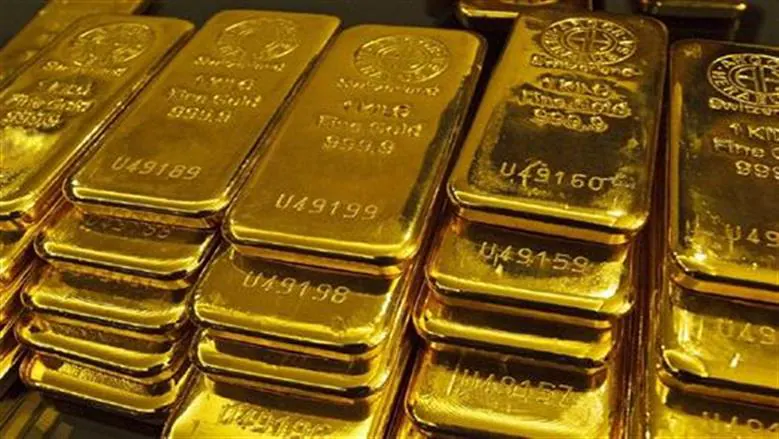
Global gold prices have experienced a significant decline, falling below $4,350 per ounce. This drop comes as the precious metal remains under pressure, with hawkish statements from US Federal Reserve officials overshadowing the impact of declining oil prices on inflation and interest rate expectations.
According to Dr. Walid Farouk, director of the Gold Observatory for Economic Studies, the global gold price has dropped by more than $50 per ounce. The decline is attributed to the rise of the US dollar and increasing expectations of US interest rate hikes. A stronger dollar makes gold more expensive for buyers using other currencies, while higher interest rates increase the appeal of yield-bearing assets compared to gold.
The US Federal Reserve raised interest rates by a quarter of a percentage point last week, bringing the rate to a range of 3.75% to 4%. Market participants are now focused on whether the bank will implement further increases in upcoming meetings, with inflation still above the 2% target. Markets currently price in a 53% chance of a rate hike in October, which may change with new data and statements.
Tom Barkin, president of the Federal Reserve Bank of Richmond, stated that the US economy shows signs of strength, driven by continued consumer spending and improved activity in various sectors. He noted that inflationary pressures are no longer limited to energy prices and customs duties but have spread to other areas of the economy. Barkin believes that inflation risks currently outweigh the risks of weak employment, which supports his decision to raise interest rates.
Susan Collins, president of the Federal Reserve Bank of Boston, also supported the interest rate hike due to the risk of sustained inflation above the central bank's target. She added that the improved labor market situation allows the Fed to focus more on returning inflation to 2%, without specifying her stance on future rate hikes.
In the energy market, oil prices remain near their lowest levels in over two weeks, driven by improved supply expectations from the Gulf and renewed communications between the US and Iran. While declining oil prices ease some concerns about inflation, they have not been sufficient to change market expectations regarding interest rates or halt the rise of the dollar.
The development of the Middle East situation influences gold prices through different channels. Escalating tensions may increase demand for gold as a safe-haven asset, but it may also raise energy prices, fueling inflation and leading markets to expect higher interest rates. Key points to watch include the US economic data and the Fed's future decisions, which will likely dictate the direction of gold prices in the near term.
Key points
- A strong US dollar and increasing expectations of further interest rate hikes have contributed to the decline in global gold prices.
- The US Federal Reserve's recent interest rate hike and the possibility of future increases have impacted gold prices.
- The development of the Middle East situation and US economic data will likely influence gold prices in the near term.