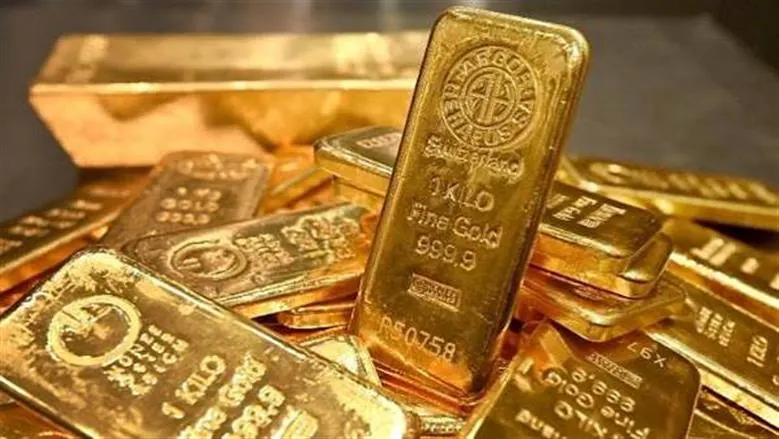
Global gold prices have dropped to their lowest level since July, falling below $4,000 per ounce. This decline is attributed to increased selling pressure and inflation concerns due to rising oil prices. Expectations of sustained high US interest rates have also contributed to the decrease, reducing gold's appeal as an investment. According to Reuters, gold futures fell by 1.10% to $3,980.80 per ounce, heading for a nearly 4% weekly loss.
The current decline in gold prices is linked to the rise in oil prices, which has reignited inflation fears. This scenario may lead the US Federal Reserve to maintain high interest rates or implement additional tightening measures. Higher interest rates negatively impact gold, as it does not generate periodic returns, making other investments with yields more attractive. The cost of holding gold also increases with higher interest rates.
Saxo Bank warns that short-term speculative selling and liquidation of investment positions have outpaced long-term demand for gold. This trend explains the metal's decline despite rising economic and geopolitical risks, which typically drive safe-haven demand for gold. A sustainable recovery in gold prices may require stabilization in energy markets, reduced inflationary pressures, and an end to forced selling.
Gold prices began the week near $4,177 per ounce but rapidly declined after breaking key technical support levels, particularly $4,060. This led to increased selling and liquidation of long positions. As a result, prices dropped by approximately 4% during the week, marking one of the strongest weekly declines since June. The metal has moved significantly away from its record high of $5,595.46 per ounce in January.
The change in investor behavior is evident, as economic concerns and stock market declines have not provided sufficient support for gold. Instead, liquidity needs and technical selling have dominated investment demand. Moving forward, market participants are focused on whether gold can regain the $4,000 per ounce level, a crucial psychological and technical barrier.
The ability of gold to recover above $4,000 may provide the market with an opportunity to stabilize. Conversely, continued trading below this level could trigger further selling. Key factors influencing future price movements include oil price fluctuations, US monetary policy expectations, and investment flows into gold funds.
Despite the sharp decline, current pressures do not necessarily indicate a long-term loss of gold's appeal. However, a sustained upward trend may require a halt in the selling wave and a return of investment demand, alongside reduced concerns about persistent inflation and high interest rates.
Key points
- Global gold prices have fallen below $4,000 per ounce due to selling pressure, inflation fears, and expectations of sustained high US interest rates.