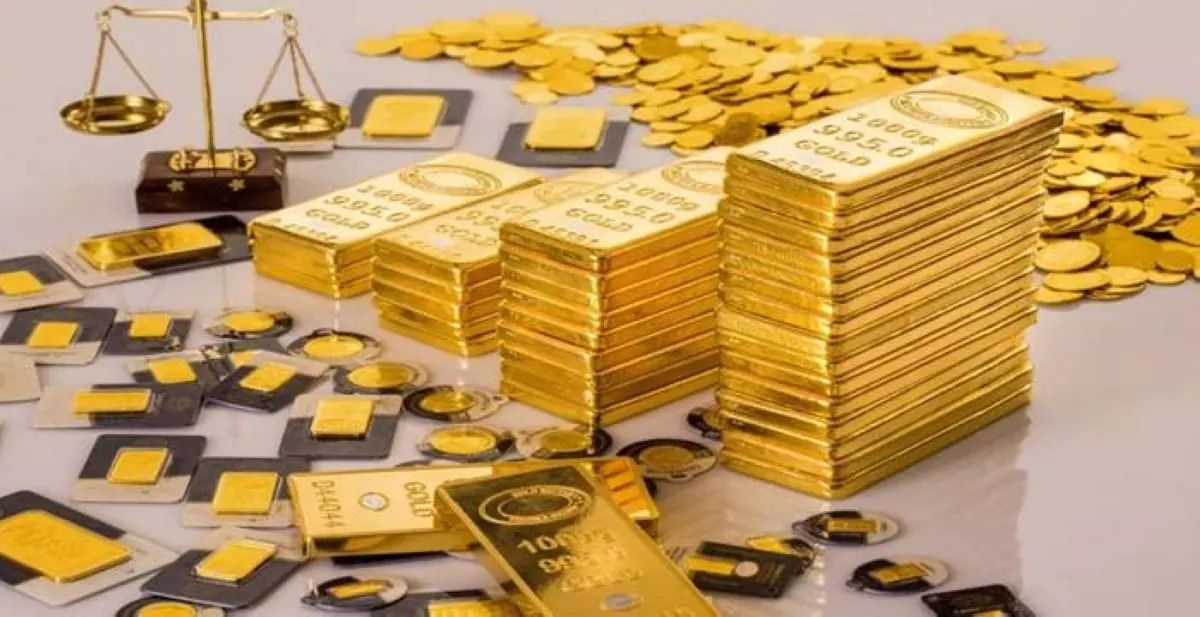
Global gold prices closed lower on Friday, giving up early gains as a stronger US dollar and higher Treasury yields weighed on the non-yielding precious metal. According to Reuters, this development put gold on track for a weekly loss. At the close, spot gold fell 0.9% to $2,040.06 per ounce, marking a 3.4% decline for the week. US gold futures also dropped 1% to $2,062.30.
The US dollar experienced a slight decline but was poised for a weekly gain. Meanwhile, 10-year and 30-year US Treasury yields reached their highest levels since 2002 on Thursday. Earlier in the session, gold had risen over 1% following data showing slower US job growth in September. The US Labor Department reported that non-farm payrolls increased by 29,000 jobs last month, after revising August's figure down to 133,000 jobs.
Economists surveyed by Reuters had predicted a 90,000 job increase, compared to the previously reported 162,000 jobs in August. Han Tan, chief market analyst at Bybit, stated that gold enthusiasts might be cautious about optimism, aware that the Federal Reserve maintains a hawkish monetary policy stance. He added that in the coming months, gold's trajectory would largely depend on the Fed's willingness to tolerate potential weakness in the labor market.
The Fed's focus on curbing US inflation will play a significant role in determining gold's path. Currently, traders estimate a 22% chance of a US interest rate hike this month, down from around 70% earlier in the week, according to the CME's FedWatch tool. Other precious metals also declined, with silver falling 0.8% to $30.36 per ounce.
Platinum dropped 2% to $849.45 per ounce, and palladium slipped 0.5% to $1,165.75 per ounce. The decline in gold and other precious metals can be attributed to the stronger US dollar and higher Treasury yields. As the Fed continues to navigate the balance between economic growth and inflation, investors will closely monitor the impact on gold prices.
The recent US jobs report indicated a slowdown in job growth, which could influence the Fed's future policy decisions. Weaker labor market data might lead to a more dovish stance, potentially supporting gold prices. Conversely, a strong economy and higher interest rates could keep gold under pressure.
As the global economic landscape continues to evolve, investors will be watching gold prices closely, taking into account factors such as US monetary policy, inflation rates, and labor market performance. The interplay between these factors will likely determine the future trajectory of gold prices.
Key points
- Global gold prices declined 0.9% to $2,040.06 per ounce on Friday.
- The US dollar was poised for a weekly gain, while 10-year and 30-year US Treasury yields reached their highest levels since 2002.
- Economists predict that the Fed's future policy decisions will significantly impact gold prices in the coming months.