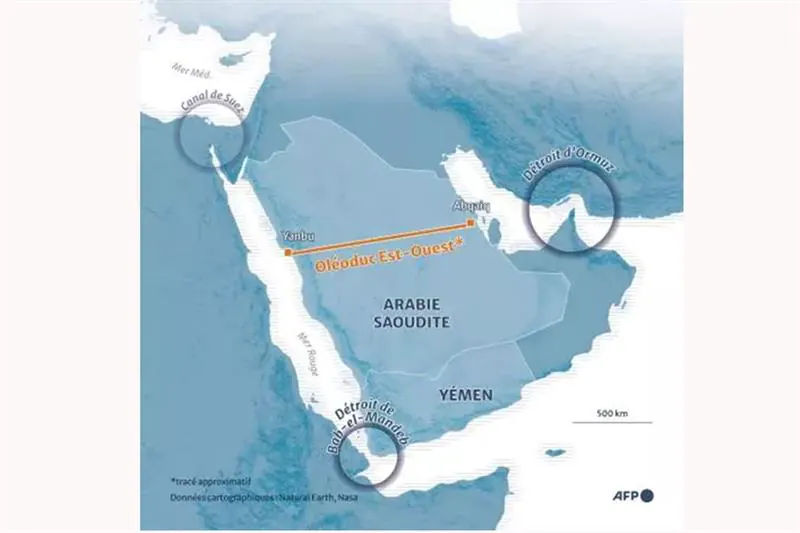
The recent attack on Saudi Arabia's East-West oil pipeline, also known as Petroline, has led to a significant disruption in global oil supplies. The pipeline, which transports around 4 million barrels of crude oil per day, was damaged by drones that targeted three pumping stations. As a result, Saudi Aramco has suspended oil deliveries to European customers starting October. This move has raised concerns about the stability of global oil supplies and the potential impact on prices.
The East-West pipeline is a critical artery for Saudi Arabia, providing an alternative route for oil exports that avoids the Strait of Hormuz. The pipeline's importance lies in its ability to transport oil from the eastern regions of the kingdom to the Red Sea, reducing reliance on the Strait of Hormuz. According to Ayman Ghoneim, a professor of management and economic expert, the pipeline's disruption has significant implications for the global oil market. The incident has also raised concerns about the security of oil supplies in the region.
The tensions in the region have been escalating, with the Houthi rebels, backed by Iran, making gains on the western coast of Yemen. The rebels have reached the strategic island of Mayun, located at the entrance to the Bab El-Mandeb Strait. This development has raised concerns about the security of oil shipments in the Red Sea. The Saudi-led coalition has been fighting the Houthis in Yemen since 2015, and the conflict has had a devastating impact on the country.
The impact of the disruptions on global oil supplies has already been felt. The price of Brent crude rose to over $109 per barrel on September 14, and the US diesel price reached a record high of $6.23 per gallon. The disruptions have also affected the global shipping industry, with many vessels being forced to take longer routes to avoid the affected areas. This has resulted in increased fuel consumption and higher costs for shipping companies.
According to S&P Global, oil loadings at the port of Yanbu have declined to around 2.8 million barrels per day in August, down from 3.9 million barrels per day in July. The flows of crude oil via the Bab El-Mandeb Strait have also decreased. The disruptions have had a ripple effect on the global economy, with many experts warning of a potential recession. The increased costs of shipping and insurance are likely to be passed on to consumers, leading to higher prices for goods.
The Strait of Hormuz and the Bab El-Mandeb are critical chokepoints for global oil supplies. Around 25% of the world's oil exports pass through the Strait of Hormuz, while 12% of global oil exports pass through the Bab El-Mandeb. Any disruption to these routes could have significant implications for the global economy. According to Mohamed Ibrahim Ali, a professor of economics, the cost of diverting ships around the Bab El-Mandeb Strait could reach $15-20 billion per year.
The global economy is facing significant challenges amidst the tensions in the region. The disruptions to oil supplies and shipping routes have raised concerns about inflation and economic growth. According to JP Morgan, the market is on edge, and the bank has warned of a potential economic shock. The situation remains fluid, and experts are urging caution as the global economy navigates these uncertain times.
Key points
- The tensions around Hormuz and Bab El-Mandeb straits have significant implications for global oil supplies and the economy.
- The disruptions to oil supplies and shipping routes have raised concerns about inflation and economic growth.
- The global economy is facing significant challenges amidst the tensions in the region.