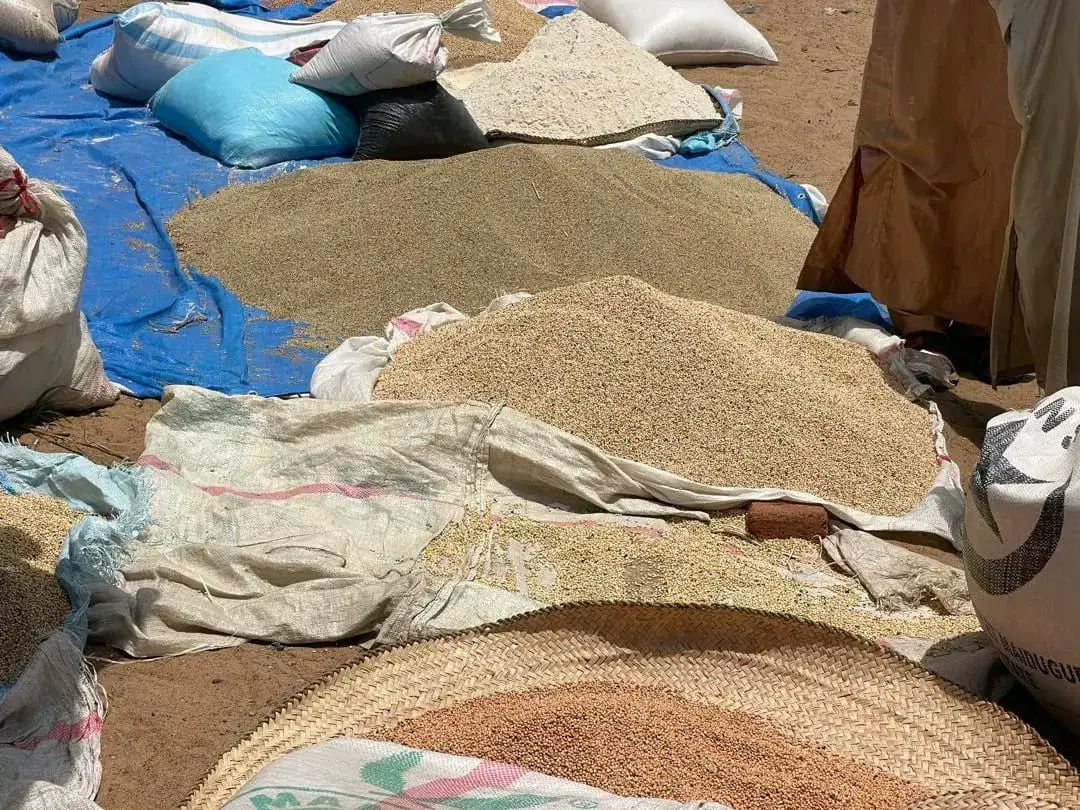
The Food and Agriculture Organization (FAO) of the United Nations has released a report indicating that global cereal stocks will continue to rise until the end of the 2026-2027 campaign. However, the organization warns of a potential decline in rice production, which could be the first decrease in four years. This decline is attributed to low profit margins for producers and unfavorable climate conditions linked to El Niño.
The FAO report also highlights a significant decrease in cereal exports from the Black Sea region, primarily due to the ongoing conflict in Ukraine. In September, the cumulative exports of cereals from Ukrainian and Russian ports in the Black Sea and Azov Sea fell to less than 500,000 tonnes, compared to 7.8 million tonnes in the same period last year. This disruption in trade is expected to impact global cereal markets.
Global cereal trade is anticipated to decline by 3.3% during the 2026-2027 campaign, mainly due to a decrease in wheat trade. However, maize trade is expected to increase during this period, while rice trade is predicted to recover in 2027. The FAO attributes the decline in cereal trade to reduced exports from major supplier countries.
The production outlook for cereals is mixed, with global wheat and maize harvests expected to remain above their five-year averages. However, rice production is expected to decline due to low profit margins and unfavorable climate conditions. The FAO report also notes that the global import bill for food is expected to increase by 1.9% this year, reaching $2,267 billion, after a nearly 8% increase in 2025.
The increase in the global import bill for food is attributed to rising cereal and oilseed prices, which are only partially offset by declining coffee and cocoa prices. The FAO report highlights the ongoing challenges in global agricultural markets, including the impact of climate change and trade disruptions.
The conflict in Ukraine continues to disrupt trade in the Black Sea region, with significant declines in cereal exports. The FAO report emphasizes the need for close monitoring of global agricultural markets, given the complex interplay of climate, trade, and production factors.
The anticipated decline in rice production and global cereal trade highlights the ongoing challenges in ensuring food security, particularly in regions heavily reliant on imports. The FAO report underscores the importance of continued international cooperation and monitoring to address these challenges and ensure stable food supplies.
Key points
- Global cereal stocks are expected to rise by the end of the 2026-2027 campaign.
- Rice production is anticipated to decline for the first time in four years due to low profit margins and unfavorable climate conditions.
- Global cereal trade is expected to decline by 3.3% during the 2026-2027 campaign, mainly due to a decrease in wheat trade.