Glaucoma cases in Ghana have risen by more than 40 percent over the past five years. This significant increase is attributed to delayed eye screening and self-medication, which contribute to the growing risk of irreversible sight loss. An ophthalmologist has expressed concern over this trend, highlighting the need for awareness and timely eye care. The rise in glaucoma cases is a public health concern, and efforts are needed to address the issue.
The ophthalmologist warned that delayed eye screening and self-medication are major factors contributing to the growing risk of irreversible sight loss. Many Ghanaians tend to self-medicate or delay seeking medical attention until symptoms become severe. This approach can lead to further complications, including permanent vision loss. The ophthalmologist emphasized the importance of regular eye check-ups and proper medical care to prevent and manage glaucoma.
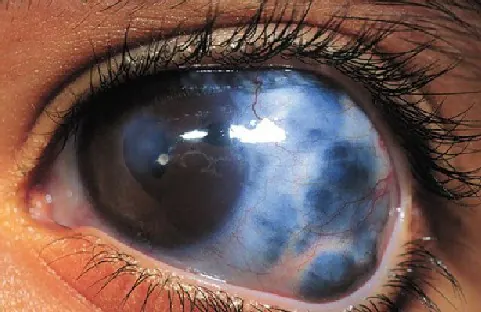
Glaucoma is a leading cause of irreversible blindness worldwide. The condition is characterized by damage to the optic nerve, often due to abnormal pressure in the eye. If left untreated, glaucoma can lead to vision loss and blindness. In Ghana, the increasing number of glaucoma cases is a significant public health concern. The Ghanaian healthcare system is working to address the issue through awareness campaigns and improved eye care services.
The Business and Financial Times reported that glaucoma cases have been on the rise in Ghana. The country's healthcare system is faced with the challenge of managing the increasing number of cases. The ophthalmologist's warning highlights the need for the public to be aware of the risks associated with glaucoma and the importance of seeking medical attention promptly.
The Ghanaian government and healthcare professionals are working to address the issue of glaucoma. Efforts include public awareness campaigns and improved eye care services. The goal is to reduce the number of glaucoma cases and prevent unnecessary vision loss. The public is encouraged to take proactive steps to protect their eye health, including regular eye check-ups and proper medical care.
In Ghana, access to eye care services is essential for preventing and managing glaucoma. The country's healthcare system is working to improve access to eye care services, particularly in rural areas. This includes training healthcare professionals and equipping healthcare facilities with the necessary resources to provide quality eye care.
The rise in glaucoma cases in Ghana highlights the need for continued awareness and education. The public must be informed about the risks associated with glaucoma and the importance of seeking medical attention promptly. By working together, the Ghanaian government, healthcare professionals, and the public can address the issue of glaucoma and reduce the risk of irreversible sight loss.
Key points
- Glaucoma cases in Ghana have increased by over 40% in five years.
- Delayed eye screening and self-medication contribute to the growing risk of irreversible sight loss.
- The Ghanaian healthcare system is working to address the issue through awareness campaigns and improved eye care services.