Glasgow Life, the operator of Glasgow's museums, announced on November 2 that it had received a request to return the mummified remains of an ancient priest named Nekht to Egypt. The request comes after the remains were recently taken off display at the Kelvingrove Art Gallery and Museum in Scotland. According to a spokesperson, Glasgow Life has a well-established process for repatriation requests and will follow this process to guide their next steps.
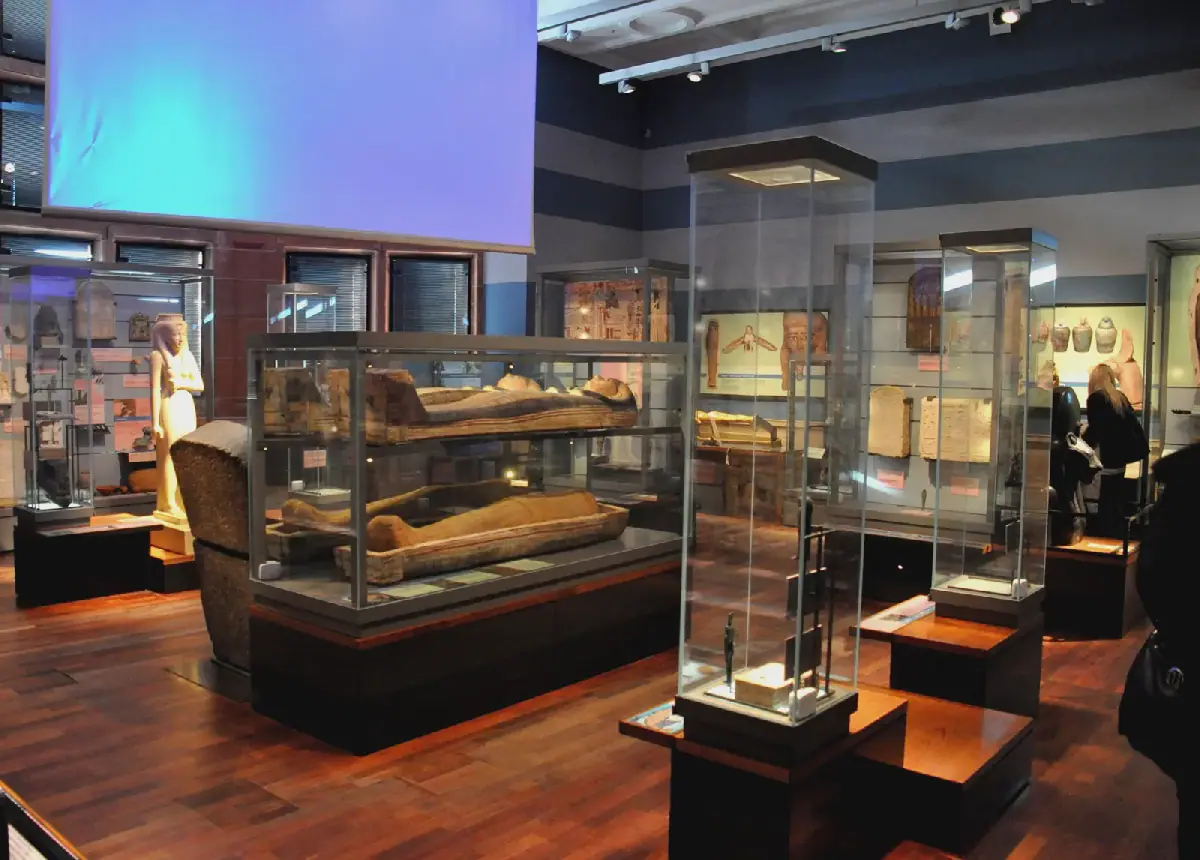
The request is believed to have come from Egyptian authorities, although Glasgow Life could not confirm the exact origin of the request. Nekht's remains were excavated at Beni Hasan, in Middle Egypt, in the early 20th century and donated to Glasgow in 1923. The mummified remains were shown inside a painted coffin in the museum's Egyptian gallery, alongside other artifacts.
The removal of Nekht's remains from public view follows a report that several ancient Egyptian human remains had been taken off display. Glasgow Life stated that displaying remains without documented, informed consent from the deceased or their descendants was no longer considered respectful. This change reflects shifting museum practice, with the International Council of Museums revising its code of ethics to emphasize the inherent dignity of human remains.
Nekht is believed to have lived between approximately 1985 and 1797 B.C. His remains were part of a larger collection of artifacts at the Kelvingrove Art Gallery and Museum. Along with Nekht's remains, a mummified male head, right foot, and right hand recovered from the Valley of the Kings in Luxor were also removed from display.
Glasgow Life's collections policy dictates that requests to return human remains are weighed on a case-by-case basis, considering the legal position, ethical issues, and relevant guidance. The process involves the council's Working Group for Repatriation, Restitution and Spoliation, and a final decision is made by the City Administration Committee or another appropriate committee.
The repatriation request is part of a larger effort to reevaluate the display of human remains in museums. Glasgow Life's draft policy would allow public display only with documented, informed consent. This policy change is in line with evolving museum practices and ethical standards.
The council owns the collections, and Glasgow Life manages them. Remains already removed will be kept in restricted-access storage unless a repatriation request is considered. The outcome of the request is uncertain, but Glasgow Life's commitment to following established procedures and considering the ethical implications of their decisions is clear.
Key points
- Glasgow Life received a request to return the mummified remains of ancient priest Nekht to Egypt.
- The request follows the removal of Nekht's remains from public display at the Kelvingrove Art Gallery and Museum.
- Glasgow Life will follow its established process for repatriation requests to guide its next steps.