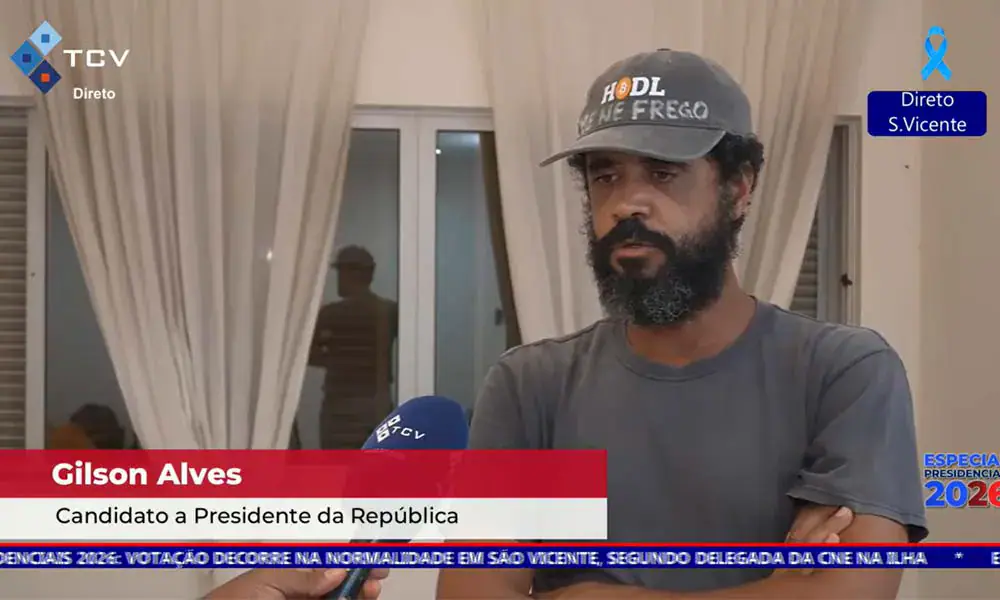
Gilson Alves, a candidate in the 2026 presidential election in Cabo Verde, has conceded defeat and refused to congratulate re-elected President José Maria Neves on his victory. Alves expressed concern over the low voter turnout, describing it as "catastrophic." He believes this reflects a crisis in Cabo Verde's democracy. Alves has proposed the implementation of electronic voting as a solution to increase participation and restore trust in the electoral process.
The low voter turnout has raised questions about the legitimacy of the electoral process. According to Alves, the high number of absent voters is a clear indication of the people's dissatisfaction with the current state of democracy in Cabo Verde. He emphasized that his campaign focused on addressing the concerns of young people and those dissatisfied with the current functioning of institutions. Alves, a 45-year-old surgeon from the island of Santo Antão, ran for president for the second time.
Despite his defeat, Alves vowed to continue advocating for his campaign's core principles. These include the establishment of a presidential system in Cabo Verde and the introduction of the death penalty. His campaign primarily targeted young people and those dissatisfied with the current state of affairs. Alves' proposals aim to address the concerns of these groups and promote a more participatory democracy.
Cabo Verde has had five presidents since gaining independence from Portugal in 1975. The first president was Aristides Pereira, who served from 1975 to 1991. He was followed by António Mascarenhas Monteiro, Pedro Pires, Jorge Carlos Fonseca, and José Maria Neves, who was re-elected in the 2026 presidential election. The country's constitution stipulates that the president must be a Cabo Verdean citizen by origin, at least 35 years old, and have resided permanently in the country for the three years preceding the election.
The 2026 presidential election saw a significant number of voters abstain from casting their ballots. This has raised concerns about the legitimacy of the electoral process and the level of engagement among citizens. Alves' comments on the low voter turnout highlight the need for electoral reform and increased participation. His proposal for electronic voting aims to address this issue and promote a more inclusive and transparent electoral process.
Alves' campaign focused on addressing the concerns of marginalized groups and promoting a more participatory democracy. His proposals, including the establishment of a presidential system and the introduction of the death penalty, reflect his commitment to reform and good governance. Despite his defeat, Alves has pledged to continue advocating for these principles and promoting a more inclusive and transparent electoral process.
The re-election of President José Maria Neves has significant implications for Cabo Verde's future. His victory marks a continuation of his policies and programs, which have shaped the country's development over the past five years. However, the low voter turnout and concerns about the legitimacy of the electoral process highlight the need for reform and increased participation. As Cabo Verde continues to evolve, it is essential to address these concerns and promote a more inclusive and transparent democracy.
Key points
- Gilson Alves concedes defeat and criticizes low voter turnout in the 2026 presidential election in Cabo Verde.