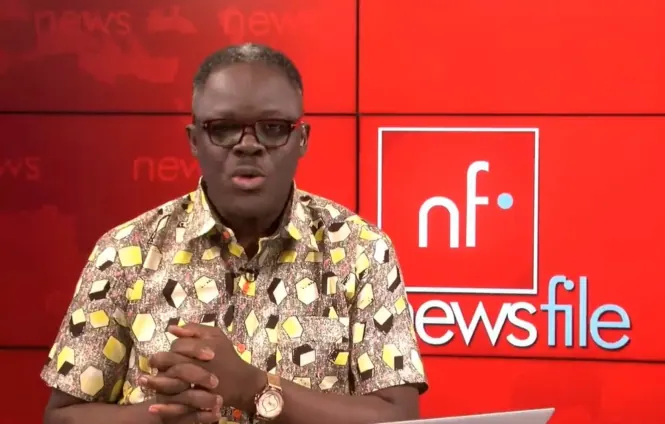
The Ghana Independent Broadcasters Association (GIBA) is advocating for key protections for media freedom to be enshrined in Ghana's Constitution as part of the ongoing constitutional review. GIBA member Samson Lardi Anyenini stated that relying solely on ordinary legislation to protect fundamental media rights could leave the sector vulnerable to changes by successive parliamentary majorities and governments. This call aims to ensure that media freedoms are safeguarded and not subject to fluctuations in policy.
GIBA had submitted recommendations to the Constitutional Review Committee, but several of these were not reflected in the committee's final report. However, the association welcomed some proposals, particularly those concerning the independence and regulation of the media. Anyenini expressed concern that certain protections should not be left to legislation, which can be changed by majorities. The association believes that essential protections must be entrenched in the Constitution to ensure stability and security for the media sector.
A major concern for GIBA is the proposed reduction of the National Media Commission (NMC) membership from 18 to seven, with increased representation from the media sector. The association supports this proposal over the government's alternative position. GIBA is also pushing for stronger constitutional safeguards for the NMC and greater sectoral representation in its composition. Anyenini emphasized the importance of sectorial nomination to the NMC and constitutional protection for the NMC's core functions.
The relationship between the NMC and the National Communications Authority (NCA) has raised concerns, particularly regarding broadcast authorisations. Anyenini argued that as the media environment evolves, NCA decisions can have direct implications for constitutionally protected media freedoms. GIBA proposes a co-regulatory framework between the two institutions and representation for the NMC on the NCA's board. This would ensure that media freedoms are considered in NCA decisions.
GIBA is advocating for changes to reflect the transformation of Ghana's media landscape following the growth of digital technology. Chapter 12 of the 1992 Constitution was largely designed around traditional forms of media and did not anticipate the convergence of broadcasting, telecommunications, streaming services, social media, and other digital platforms. The association supports a broader, technology-neutral definition of the media to accommodate the changing media environment.
The association is also supporting the passage of the Broadcasting Bill, 2024, but wants its concerns and submissions to be considered in the legislative process. Anyenini summarized GIBA's position into three priorities: entrenching essential media protections in the Constitution, preserving sectoral participation in media regulatory institutions, and protecting the core functions of the NMC while establishing a co-regulatory framework involving the NCA.
The stakeholder engagement brought together representatives of GIBA, the Ghana Journalists Association, and other civil society organisations. The stakeholders are calling for the constitutional review to preserve and strengthen safeguards for media freedom and independence while adapting Ghana's media regulatory framework to the changing digital environment. The review aims to ensure that Ghana's media landscape remains free and independent.
Key points
- GIBA calls for constitutional protection of media freedom in Ghana's ongoing review
- Association pushes for stronger role for National Media Commission
- GIBA advocates for technology-neutral media framework to reflect digital transformation