Ghanaians will pay more for public transport from Saturday, September 26, 2026, after transport operators and the government agreed to an 8% increase in fares nationwide. This adjustment follows weeks of negotiations between the government and transport unions. The increase will affect commuters who rely on trotros, shared taxis, and other commercial public transport services, raising the cost of daily journeys for workers, students, and other passengers.
The agreement was reached after discussions between the Ministry of Transport, the Ghana Private Road Transport Union (GPRTU), and the Ghana Road Transport Coordinating Council (GRTCC) over rising operating costs. The GPRTU had initially called for a much higher adjustment, seeking at least a 25% increase. However, it eventually accepted the 8% review after the government gave assurances that further reductions in fuel prices were being pursued.
According to Samuel Amoah, Deputy Public Relations Officer of the GPRTU, the union considered the potential impact of higher fares on commuters before accepting the agreement. He stated that transport operators were struggling with rising costs but agreed to the lower increase based on the expected reduction in fuel prices. The GPRTU will return to the Ministry of Transport if the expected reduction in fuel prices does not happen.
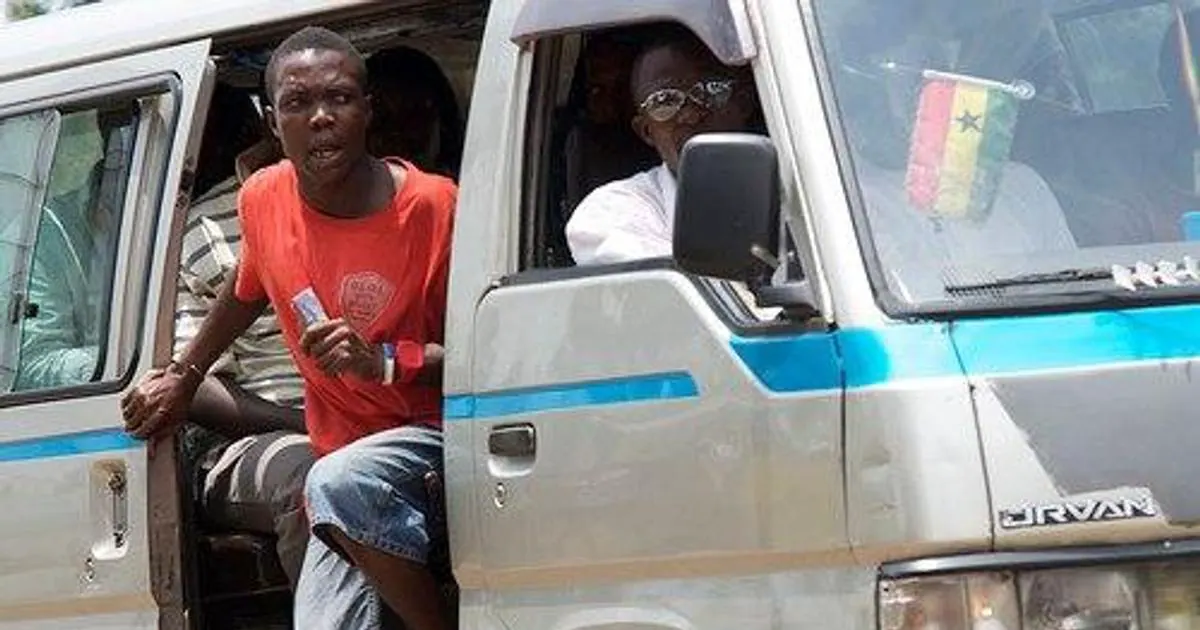
For commuters, the increase means higher transport expenses, particularly for those who make multiple journeys each day. The adjustment could also add pressure to household budgets as passengers spend more on transportation. A picture of Kaneshie public transport 'trotro' station in Accra shows the likely scene of increased activity as commuters adjust to the new fares.
The latest decision follows an initial engagement on September 8, when transport unions presented proposals for higher fares. The government subsequently outlined measures, including a GH¢2 per litre intervention on diesel, to help reduce the pressure on transport operators and commuters. A joint team from the ministry, GPRTU, and GRTCC was later established to assess fuel, maintenance, spare parts, and other cost components.
The 8% increase in fares is a compromise between the government's desire to keep costs low and the transport operators' need to stay afloat amid rising costs. The government and transport unions have been working together to find a solution that balances the needs of both parties. The increase is expected to take effect from September 26, 2026.
The impact of the fare increase on commuters and transport operators will be closely watched in the coming weeks. The government and transport unions have assured that they will continue to work together to monitor the situation and make adjustments as necessary. Key stakeholders will be watching to see if the expected reduction in fuel prices materializes and what further impact this may have on transport costs.
Key points
- Transport fares in Ghana will increase by 8% nationwide from September 26, 2026.
- The increase follows an agreement between transport operators and the government after weeks of negotiations.
- The Ghana Private Road Transport Union had initially called for a 25% increase but accepted the 8% review after government assurances on fuel price reductions.