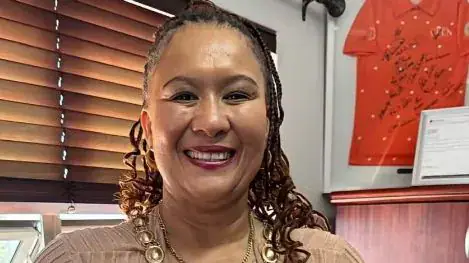
A clinical psychologist and lecturer at the University of Ghana Medical School, Dr. Seth Mawusi Asafo, has emphasized the importance of prioritizing mental health for journalists covering traumatic events. Speaking at the Trauma-Informed Journalism Seminar organized by the University of Media, Arts and Communication, Dr. Asafo highlighted the psychological effects of reporting incidents involving violence, death, abuse, and other disturbing experiences. He warned that repeated exposure to distressing stories can take an emotional toll on media practitioners.
Dr. Asafo explained that people may experience emotional and physical reactions immediately after a traumatic event, including shock, crying, difficulty sleeping, fatigue, and repeatedly replaying the incident in their minds. According to him, these reactions may gradually reduce as the brain processes the experience, although some individuals may continue experiencing distressing symptoms and require professional support. He also discussed the distinction between acute stress reactions and post-traumatic stress disorder (PTSD), emphasizing the importance of understanding how symptoms develop and persist over time.
The psychologist further explained how the brain responds to perceived danger, noting that its survival system can take priority over normal reasoning processes when an individual senses a threat. He identified the prefrontal cortex as the part of the brain responsible for reasoning, planning, and decision-making, while the amygdala plays an important role in detecting threats and processing fear. According to him, the brain's survival response can trigger reactions such as fighting, fleeing, or freezing when a person encounters danger.
Dr. Asafo outlined warning signs of trauma, grouping them into physical, emotional, and behavioral reactions. These may include exhaustion, sleep difficulties, anxiety, fear, difficulty concentrating, and withdrawal from others. He cautioned participants against casually diagnosing themselves or others with mental health conditions, encouraging them instead to seek professional guidance when necessary.
The seminar, co-led with Dr. Solace Asafo, sought to raise awareness of trauma-informed reporting and encourage journalists to protect their psychological wellbeing while telling the stories of others. Dr. Mawusi Asafo emphasized the importance of psychological debriefing, regular breaks, and other self-care practices to help journalists manage emotional stress associated with their work.
Participants were also encouraged to avoid graphic descriptions when sharing traumatic experiences and to respect the decision of individuals who may not feel comfortable discussing their personal experiences. The goal is to promote responsible reporting practices that prioritize both the story and the storyteller's wellbeing. By doing so, journalists can maintain their mental health and continue to provide valuable coverage of important issues.
The Trauma-Informed Journalism Seminar is a significant step towards creating a supportive environment for journalists in Ghana. By prioritizing mental health and providing resources for managing traumatic experiences, the seminar aims to empower journalists to report on traumatic events in a way that is both responsible and sustainable.
Key points
- Journalists are at risk of developing mental health issues due to repeated exposure to traumatic events.