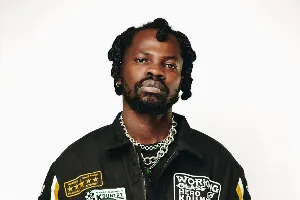
Ghanaian musician Fameye has made a bold statement about his identity and connection to the Gen Z generation. In a recent social media post, Fameye, whose private name is Peter, confidently declared that "Peter is Gen Z." He attributed this not to his own claim, but to the fact that the culture is already acknowledging it. This statement has generated significant online conversations about his personality, style, and cultural influence.
Fameye's declaration appears to be a playful yet confident assertion that his artistic expression resonates strongly with the Gen Z audience. As the "Nothing I Get" hitmaker, he has built a distinctive identity in Ghana's music scene by blending emotional storytelling with contemporary sounds and a personal style that appeals to a younger generation of music enthusiasts. His music and personality have created a strong connection with his fans.
According to Fameye, being Gen Z is not solely about age, but also about connecting with current trends, conversations, and youth culture. His reference to "the culture" suggests that he believes his artistic expression and style are in line with the values and aesthetics of the Gen Z generation. This statement has sparked discussions about the intersection of music, identity, and culture.
Fameye has consistently maintained a strong online presence, frequently using social media platforms to share his music, thoughts, and opinions with his followers. His latest post serves as a reminder that, regardless of whether his Gen Z claim is accepted or not, he remains committed to his artistic identity. Fameye's bold statement has generated significant interest and debate among music fans and cultural observers.
The musician's connection to the Gen Z generation may be attributed to his ability to create music that resonates with the experiences and concerns of young people. His songs often address themes of love, social issues, and personal growth, which are relevant to the Gen Z audience. By embracing his Gen Z identity, Fameye may be seeking to further solidify his connection with this demographic.
Fameye's statement has also sparked discussions about the role of social media in shaping cultural identity and influence. As a prominent figure in Ghana's music scene, his online presence and statements are closely followed by his fans and the wider public. This incident highlights the significance of social media in modern Ghanaian culture and the ways in which artists use these platforms to express themselves and connect with their audience.
The implications of Fameye's statement extend beyond his personal identity, as they also reflect broader cultural trends and conversations in Ghana and beyond. As the music industry continues to evolve, artists like Fameye are likely to play a significant role in shaping the cultural landscape and influencing the next generation of music enthusiasts. Key points include Fameye's confident declaration of his Gen Z identity, his connection to the culture and trends of the younger generation, and the significance of social media in shaping cultural identity and influence.
Key points
- Fameye claims to be part of Gen Z based on cultural connection rather than age.
- The musician's statement has sparked online conversations about identity, culture, and influence.
- Fameye's connection to Gen Z may be attributed to his music resonating with young people's experiences and concerns.