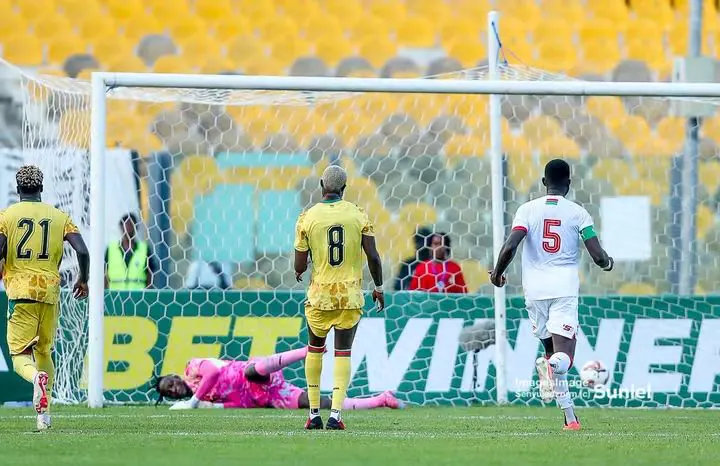
Ghanaian football is in a state of crisis, with the national team, the Black Stars, suffering a series of humiliating defeats in recent years. The team's performance has been marred by exits in the group stages of major tournaments, including the 2021 Africa Cup of Nations (AFCON) and the 2022 World Cup. The situation has sparked widespread concern, with many calling for drastic action to address the root causes of the decline.
The current leadership of the Ghana Football Association (GFA) has been accused of administrative decay and self-interest, which has contributed to the decline of Ghanaian football. The GFA's structure, where officials have direct interests in clubs operating within the same system they govern, has raised concerns about conflicts of interest. The association's president, Kurt Okraku, is the founder of Dreams FC and holds 33.3% shares of the club, while other officials have similar interests in other clubs.
The issue of conflicts of interest in Ghanaian football is not a new one, and the GFA's own rules recognise the danger of such conflicts. The association's ethics framework requires officials to disclose relevant personal interests and states that officials should not perform their duties where there is an existing or potential conflict of interest. However, the issue of enforcement remains a challenge, with many questioning who determines when an interest creates a conflict and who ensures that disclosure is made.
The decline of Ghanaian football has had far-reaching consequences, including the erosion of national honour. Playing for the Black Stars was once the ultimate privilege for any Ghanaian footballer, but administrative interference and persistent public disgrace have forced top players to hesitate or decline calls to represent their country. The situation has also led to a loss of public trust in the GFA and its leadership.
Calls have been made for President Mahama to intervene directly and dissolve the current GFA. The move is seen as a necessary step to address the systemic rot that has destroyed the pride of wearing the national shirt. However, the potential consequences of such a move, including a possible FIFA suspension or a two-year ban from international competitions, have been acknowledged.
Despite the potential risks, many believe that drastic action is necessary to restore Ghanaian football to its former glory. The country's football administrators have been accused of resting on past laurels, constantly rehearsing the historic feats of the four-time African Champions and celebrating the breakthrough World Cup generations of the 2000s. The focus should now be on building a strong and sustainable football system that can compete at the highest level.
The future of Ghanaian football hangs in the balance, with the current situation yielding nothing but repeated humiliation. Continuing on the current path guarantees further disgrace on the international stage. The call for President Mahama to dissolve the GFA is a clear indication that the status quo is no longer tenable and that drastic action is necessary to restore the integrity of Ghanaian football.
Key points
- Ghanaian football faces crisis with repeated failures, sparking calls for drastic action.
- Conflict of interest in GFA's leadership contributes to decline of Ghanaian football.
- Dissolving GFA may be necessary to restore Ghanaian football to its former glory.