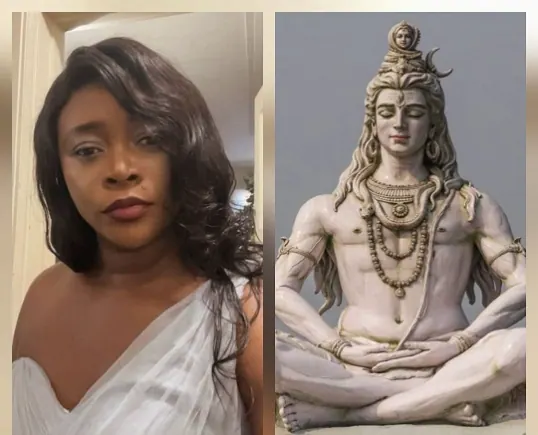
Ghanaian-American filmmaker Leila Jewel Djansi has expressed concerns about the priorities of wealthy African churches, questioning why they invest heavily in chapels and other church projects instead of allocating more resources to hospitals, schools, medical research, and rehabilitation centers. In a Facebook post, Djansi noted that Africans often rely on prayer and "seed" giving to address serious illnesses but travel abroad for advanced medical care. This paradox highlights the need for African churches to reassess their priorities and consider investing in healthcare infrastructure.
Djansi's comments were sparked by the example of the late TB Joshua, who was flown to Turkey for medical treatment after suffering a stroke, while stroke patients at his church waited for healing. She also referenced a 15-bed dedicated stroke unit in Africa, recalling her sister's experience there. Djansi emphasized that stroke care in Ghana and Africa is a significant problem, with many patients relying on prayer and "seed" giving rather than seeking medical attention. This approach can be inadequate, and Djansi argues that churches should prioritize building hospitals and medical facilities.
The filmmaker also drew attention to the irony that Africans often travel to India for cancer treatment, despite the presence of religious symbols and deities in Indian hospitals. She questioned how people whose gods some Christians "cast and bind" during midnight prayers could build hospitals and medical systems that Africans trust with their lives. Djansi noted that Indian hospitals offer advanced medical care, including heart, liver, and bone-marrow transplants, and wondered why African churches cannot establish similar institutions.
Djansi cited the example of over 644,000 foreign arrivals in India for medical purposes in 2024, highlighting the demand for quality healthcare services. She also referenced the case of "Aba's" cancer treatment in the US, which cost $2.3 million but was covered by insurance established by a faith-based Baptist corporation. Djansi criticized the idea of using "cancer seed" to fund a pastor's luxury items while depending on medical care built by others.
Despite her criticism, Djansi acknowledged the contributions of some churches to education and healthcare. She praised the Catholic and Adventist churches for their investments in hospitals and schools, citing her experience scouting an Adventist hospital in Simi Valley. Djansi emphasized that the chapel and hospital do not have to be competing ideas and that faith-based organizations can play a vital role in providing healthcare services.
Djansi's central argument is that African churches should prioritize building lasting institutions that can serve communities long after their founders are gone. She encouraged people to continue praying and giving but to demand that their "seed" creates lasting benefits. Djansi suggested that such funds could be used to build hospitals, laboratories, and schools, train doctors and nurses, fund research, and provide rehabilitation for stroke survivors.
In conclusion, Djansi stressed the need for African churches to reassess their priorities and consider investing in healthcare infrastructure. She ended with a thought-provoking question, "That Indian Dr. treating your dad? That's his god." Djansi's comments have sparked a necessary conversation about the role of churches in providing healthcare services and the need for sustainable investments in African communities.
Key points
- Leila Djansi criticizes African churches for prioritizing chapels over hospitals and medical research.
- Djansi questions why Africans rely on prayer and "seed" giving for illnesses but travel abroad for advanced medical care.
- The filmmaker praises the Catholic and Adventist churches for their contributions to education and healthcare.