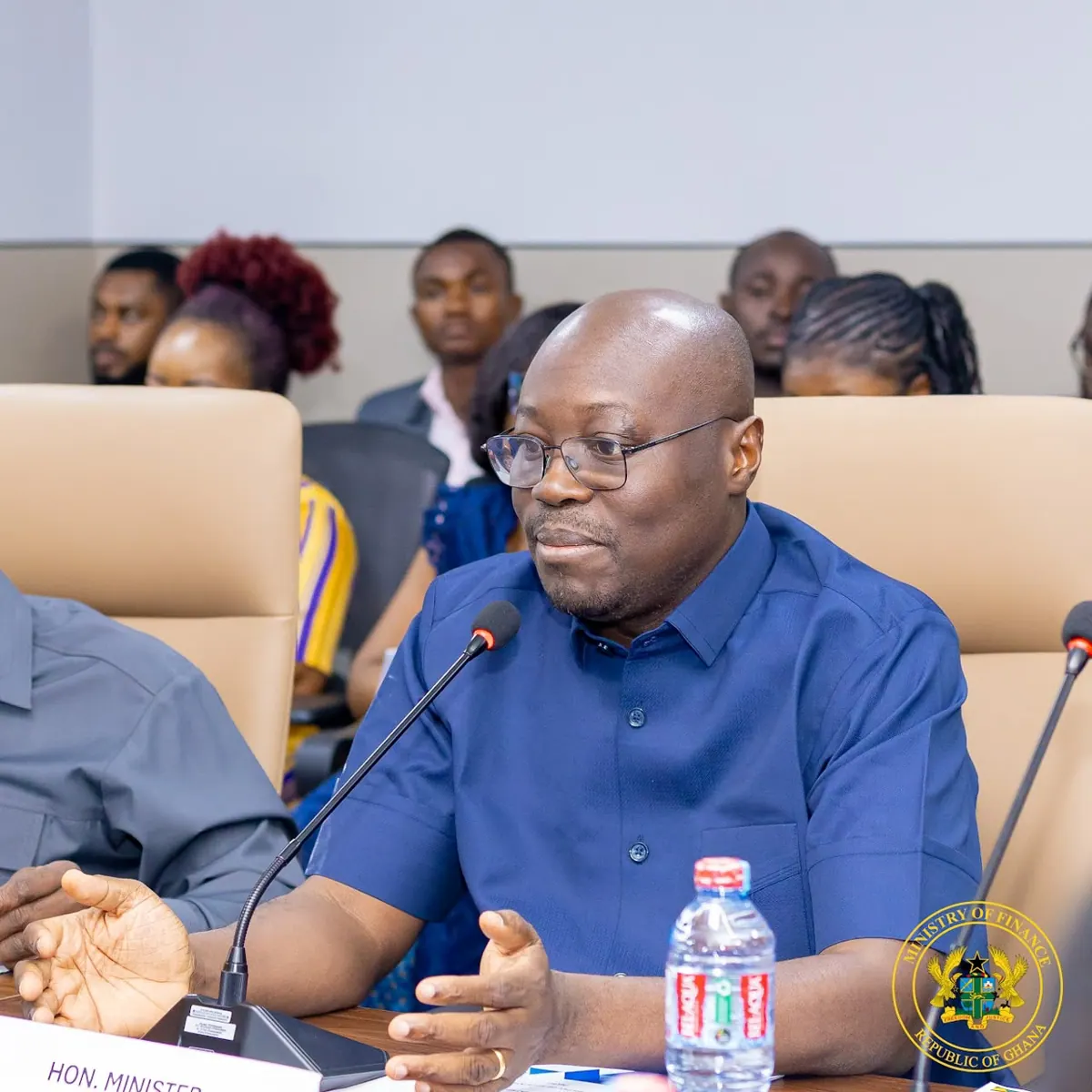
A concerned citizen has written an open letter to Ghana's Minister for Finance, Dr. Cassiel Ato Forson, on behalf of thousands of ordinary Ghanaians who have been affected by recent financial developments. The letter, published in the Business and Financial Times, expresses the plight of those whose hopes, sacrifices, and financial security have been severely undermined. The author, Christabel Danso, is advocating for justice for victims of the Domestic Debt Exchange Programme and SIC Life Savings and loans investors.
The Domestic Debt Exchange Programme and SIC Life Savings and loans investors have been embroiled in controversy, with many Ghanaians losing their savings. The open letter highlights the struggles of these individuals, who are seeking relief and justice. The Minister for Finance has not publicly commented on the letter, but it is expected that the issue will be addressed in the coming days. The Business and Financial Times publication has sparked a national conversation about the need for financial reform and accountability.
The issue has sparked a national conversation about financial reform and accountability in Ghana. Many citizens are calling for greater transparency and protection for investors. The Institute of ICT Professionals, for instance, has taken a joint White Paper on digital trust to Ghana's political and military leadership. This development suggests that there is growing awareness of the need for effective regulation and oversight in the financial sector.
In related news, Rwanda has successfully connected over 1,000 smallholder farmers to the UAE market through the Value-Added Initiative to Boost Employment programme. This initiative has expanded short-term work for young women across the export chain and demonstrates the potential for innovative programmes to drive economic growth and development. Ghana can learn from Rwanda's experience in implementing similar initiatives to support its own farmers and small businesses.
The need for financial reform and accountability is not unique to Ghana, as other countries also face similar challenges. Qatar, for example, is growing in stature as a leading regional and international hub for dispute resolution. The Qatar International Center for Conciliation and Arbitration will host the Sixth World Conference on International Arbitration in 2026, highlighting the country's commitment to providing effective dispute resolution mechanisms.
In Ghana, there is a growing demand for platforms connecting households and businesses with verified service providers. The informal service economy in Accra is being transformed through digital verification and protected payments. This development has the potential to create new opportunities for economic growth and job creation, particularly in the services sector.
As Ghana navigates its financial challenges, experts are emphasizing the importance of digital transformation and effective risk management. The business case for digital transformation strategy is clear, as it can help build resilient organisations and drive economic growth. By leveraging digital technologies, Ghana can create new opportunities for innovation and entrepreneurship, ultimately driving economic development and growth.
Key points
- The open letter to the Finance Minister highlights the struggles of Ghanaians who have lost their savings through the Domestic Debt Exchange Programme and SIC Life Savings and loans investors.
- The issue has sparked a national conversation about financial reform and accountability in Ghana.
- Experts are emphasizing the importance of digital transformation and effective risk management in driving economic growth and development.