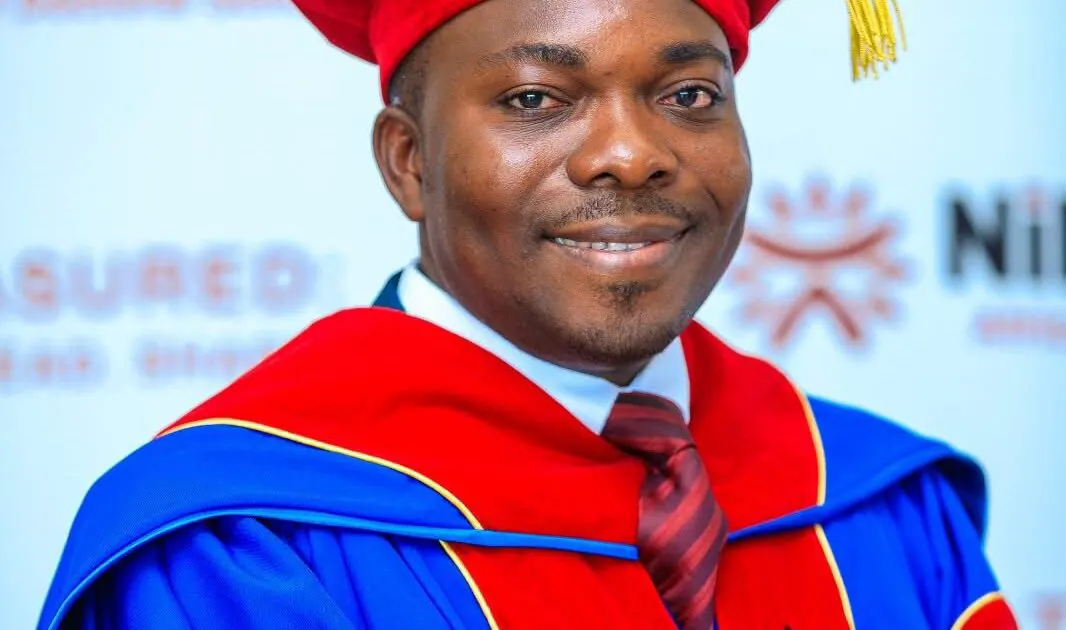
Ing. Dr. Peter Debrah, a Ghanaian academic, has expressed concern over the state of politics in Ghana, stating that the country's political culture is in dire need of reform. He emphasized that politics, which should be a contest of ideas, vision, and leadership, is increasingly becoming a contest of insults, personal attacks, misinformation, and political loyalty. This trend, he warned, could have negative consequences for the country's democratic tradition, which has been in place since the beginning of the Fourth Republic in 1992.
Dr. Debrah noted that social media has created a new battlefield where young professionals can be recruited to defend personalities rather than principles and attack opponents rather than debate policies. He questioned the kind of political culture being created and the kind of leaders that culture will produce. According to him, democracy is not sustained by elections alone but by how people disagree, debate, treat opponents, and value truth over political convenience.
The academic stressed that politics should be about ideas, leadership, and solutions to national problems, rather than personalities and attempts to destroy opponents' reputations. He made a distinction between criticism and abuse, disagreement and hatred, and political loyalty and blind allegiance. Dr. Debrah emphasized that citizens must be able to question leaders and demand accountability without resorting to personal attacks.
Dr. Debrah expressed worry about the emergence of political communication that rewards insults more than knowledge and partisan attacks more than policy understanding. He urged that young professionals must not be taught that political success requires abandoning professional ethics. According to him, Ghana needs professionals who can enter public life without losing their values.
The academic noted that political parties naturally want to win elections, but political victory should never become more important than the country. He warned that when winning becomes the ultimate objective, truth can become negotiable, and opponents become enemies. Dr. Debrah emphasized that the purpose of political leadership is not simply to acquire power but to use public authority responsibly to improve citizens' lives.
Dr. Debrah stressed that a healthy democracy requires disagreement and that the opposition is not the enemy. He urged that citizens should be able to question power without hatred and support ideas without worshipping personalities. According to him, a mature democracy allows for constructive debate and the scrutiny of government decisions.
The academic concluded that the responsibility for creating a better political culture does not belong only to politicians but also to voters, journalists, civil society organizations, religious and traditional leaders, academics, professionals, and young people. He urged that Ghanaian citizens should teach the next generation that leadership means serving others, not defeating them, and that political opponents deserve respect.
Key points
- Ing. Dr. Peter Debrah calls for a shift in Ghana's political culture from insults and personal attacks to a contest of ideas and leadership.
- Dr. Debrah emphasizes the need for professionals to enter public life without losing their values.
- A healthy democracy requires disagreement, but not hatred, and the opposition should not be treated as the enemy.