A recent discussion on GBCNEWS' Women's Voice highlighted the need for legislation to address witchcraft accusations in Ghana. Panelists emphasized the vulnerability of women accused of witchcraft and the importance of community engagement in addressing the issue. Executive Director of Songtaba, Hajia Lamnatu Adam, stressed that meaningful efforts to end the practice require serious engagement with traditional leaders, whose influence within communities could be critical in addressing the problem.
According to Hajia Lamnatu Adam, identifying individuals who perpetuate witchcraft accusations and understanding the circumstances surrounding the practice are crucial steps in addressing the issue. She suggested that a community check-up be conducted to know who is engaging in this practice and affecting the lives of others. This approach aims to tackle the root causes of witchcraft accusations and provide support to those affected.
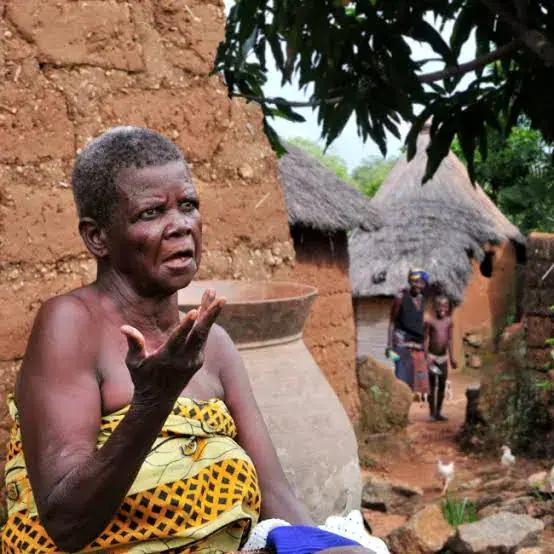
Thelma Hayford, Gender Advisor at Oxfam in Ghana, shared her firsthand experiences of the conditions and vulnerabilities of women living in alleged witches' camps. She visited three camps, including the Gambaga Witches' Camp, which serves as a safe haven for women accused of witchcraft. Approximately 250 women are currently at the Gambaga camp, many of whom are widows, women experiencing menopause, and elderly persons.
Thelma Hayford noted that women in these camps are particularly vulnerable to accusations and social exclusion due to their age, marital status, or health conditions. Some of the women suffer from dementia or other forms of mental distress, making them more susceptible to accusations. The camps offer a form of protection from threats and violence they may face in their communities.
The panelists observed that religion and superstition may not be the sole drivers of witchcraft accusations. Instead, the issue requires a deeper examination of the social, cultural, and other factors that contribute to the practice. This nuanced understanding is essential in developing effective strategies to address witchcraft accusations and protect the rights of women.
The discussion highlighted the need for stronger legal protection, community sensitization, and engagement with traditional authorities to safeguard the rights, dignity, and safety of women who continue to face accusations of witchcraft. The advocates emphasized that addressing this issue requires a comprehensive approach that involves both legislative and community-based initiatives.
The call for legislation and community engagement reflects a broader effort to address the complex social and cultural factors that contribute to witchcraft accusations in Ghana. By working together, advocates hope to create a safer and more supportive environment for women accused of witchcraft and to prevent further marginalization and harm.
Key points
- Advocates stress the need for stronger laws to protect women accused of witchcraft in Ghana.
Reporting sources
- Why Ghana Needs Legislation Against Witchcraft Accusations · Ghana Broadcasting Corporation