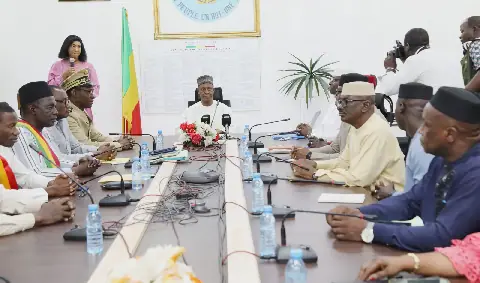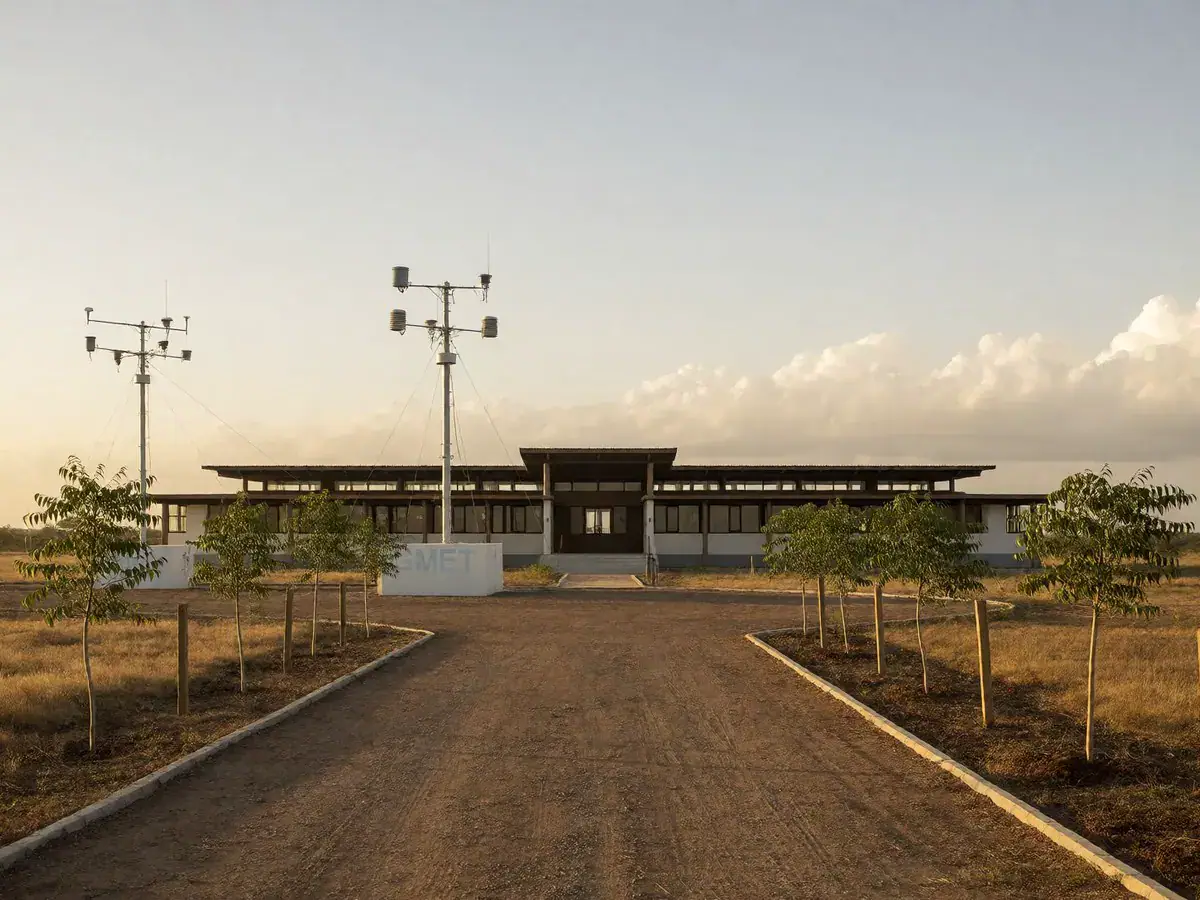
Professor Kpessa-Whyte has emphasized the need for Ghana to address weaknesses in its meteorological infrastructure to benefit from AI and machine learning technologies in weather forecasting. Speaking at the inauguration of the Ghana Meteorological Agency's (GMet) new operational facility, he noted that AI can sharpen forecasts but cannot invent observations. The accuracy of AI-driven predictions relies heavily on reliable observation systems and quality data. As such, Ghana must prioritize the expansion and modernization of its ground-based monitoring systems.
Africa currently operates one of the smallest weather observation networks globally, making it essential for Ghana to invest in its meteorological infrastructure. While GMet has made efforts to improve its capabilities, including accepting automated weather stations through UNESCO and collaborating with international partners, Professor Kpessa-Whyte stressed the importance of developing the technical capacity to maintain its own infrastructure. He noted that Ghana cannot always depend on external assistance, stating, "The eyes of a nation on its own skies cannot always depend on the generosity of others."
The Ghana Meteorological Agency has made progress in recent years, moving from the middle of performance rankings towards the top. However, it still faces significant infrastructural and institutional challenges. To address these, Professor Kpessa-Whyte urged GMet to attract and train the necessary scientists, forecasters, and technical specialists to support a modern meteorological service. This is crucial as the role of meteorologists evolves, with climate volatility increasing the demand for accurate and timely weather information.
One of the major challenges facing GMet is financial constraints, which limit its ability to invest in the tools required for accurate forecasting. The agency recorded a negative operating cash flow of GH¢3.87 million in 2025, with much of its internally generated funds going toward operational expenses. This has resulted in limited capacity for long-term infrastructure investment. Professor Kpessa-Whyte emphasized the need for the implementation of revenue provisions under the Ghana Meteorological Agency Amendment Act, 2019.
The proposed Ghana Meteorological Authority Bill seeks to elevate GMet into an authority with regulatory oversight, acting as the single official source of severe weather warnings. This change aims to address the growing circulation of unverified weather alerts on social media. However, Professor Kpessa-Whyte cautioned that the expanded mandate must have clear governance and transparent licensing. He also highlighted the potential dual role of GMet as both a provider of services and a regulator.
Professor Kpessa-Whyte also emphasized the importance of commercial expansion for GMet, urging the agency to engage with clients in various sectors, including aviation, energy, agriculture, insurance, mining, construction, and telecommunications. However, he insisted that this expansion must not compromise public access to weather information, stating, "Warnings that protect life must remain a public good." This balance is crucial to ensure that meteorological services are both sustainable and accessible to the public.
As Ghana's climate grows more volatile, the role of meteorologists is becoming increasingly critical. Professor Kpessa-Whyte noted that meteorologists are no longer just scientists but also first responders who arrive before disasters. With the right infrastructure and institutional capacity, GMet can provide accurate and timely weather information, ultimately saving lives and supporting the country's development.
Key points
- Ghana must improve its meteorological infrastructure to effectively utilize AI in weather forecasting.
- The implementation of revenue provisions under the Ghana Meteorological Agency Amendment Act, 2019, is crucial to support GMet's operations.
- The proposed Ghana Meteorological Authority Bill aims to address the growing circulation of unverified weather alerts on social media.
Reporting sources
- Ghana must improve meteorological infrastructure to utilize AI · The Statesman Newspaper