The Executive Director of the Forum for Natural Regeneration (FONAR), Sumaila S. Saaka, has described Striga as a significant threat to food security in Ghana, particularly in Northern regions. He characterized the weed as a "silent driver of hunger" that affects staple cereal production. Speaking at a Striga sensitization forum for journalists in the Upper East Region, Mr. Saaka emphasized the need for increased national investment to tackle the parasitic weed.
Striga attacks crops from beneath the soil, taking water and nutrients from their roots before the weed becomes visible. Mr. Saaka explained that the weed attaches itself to the roots of staple cereals, drawing away water and nutrients long before it shows its purple flowers above the soil. By the time the flowers appear, the damage to that season's harvest is often already done. This has significant implications for farmers cultivating maize, millet, and sorghum.
The prevalence of Striga points to a deeper problem of declining soil health, particularly in areas experiencing loss of tree cover and organic matter. Mr. Saaka noted that where soil fertility declines, tree cover is lost, and organic matter is stripped from the land, Striga finds the conditions it needs to thrive. FONAR's approach, through Farmer Managed Natural Regeneration, aims to treat the land itself as the patient.
Mr. Saaka called on the government to combine measures to control Striga with investments in restoring degraded agricultural land. He urged the government to fund community-level biocontrol and awareness programs, not just top-down directives. Additionally, he recommended making Northern Ghana cereal security a budget line, rather than an afterthought. This comprehensive approach is necessary to address the complex issues surrounding Striga.
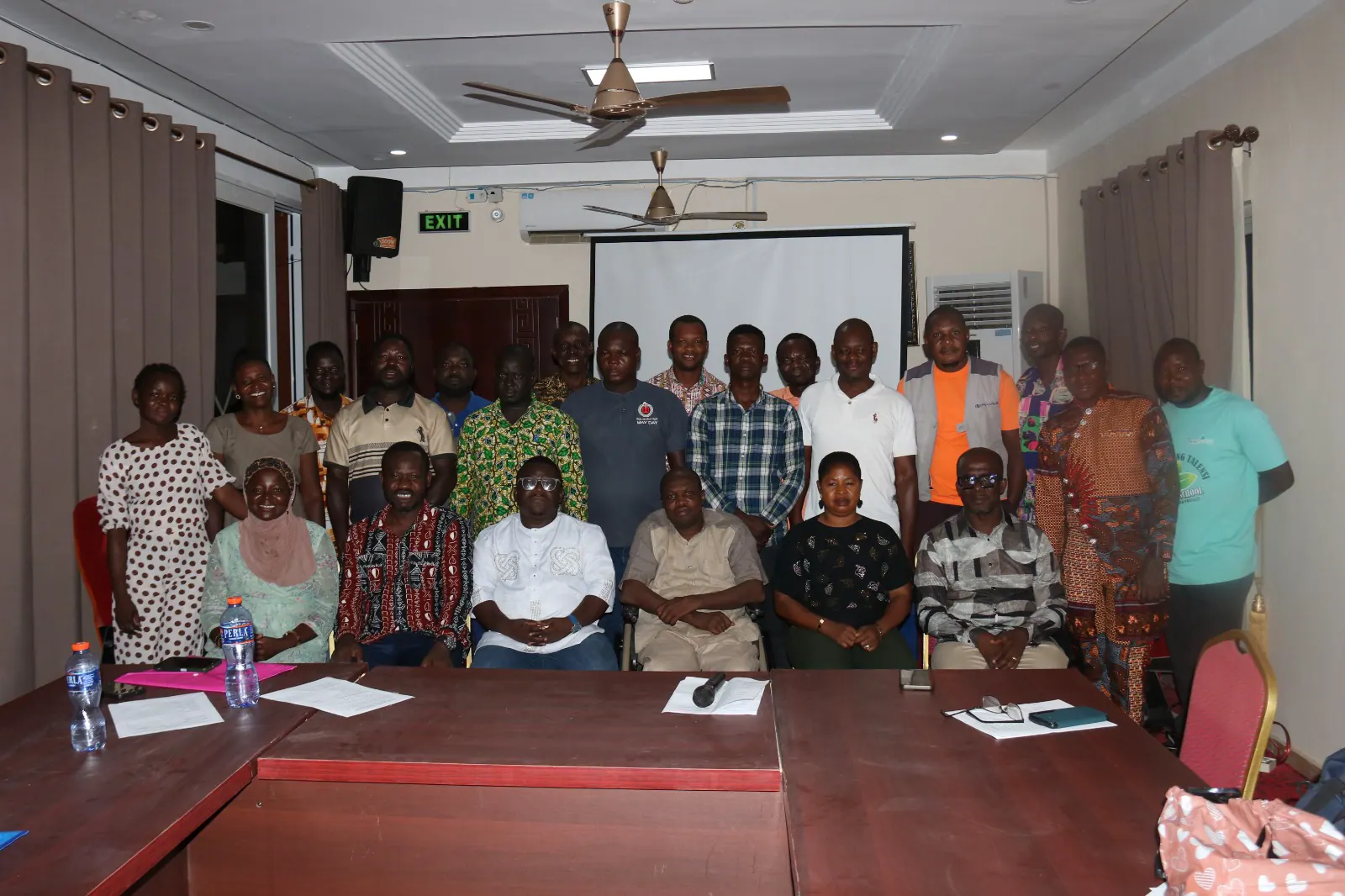
The forum was organized by FONAR in collaboration with the Ministry of Food and Agriculture (MoFA) and the Ghana Journalists Association (GJA) to improve journalists' understanding and reporting of Striga and its effects on farmers. Mr. Saaka emphasized the important role the media can play in providing farmers with information about the weed and available interventions. He believes that well-informed journalism can change the trajectory of the problem.
Upper East Regional Director of the Department of Food and Agriculture, Alhaji Zakaria Fuseini, and Upper East Regional Chairman of the GJA, Albert Sore, also spoke at the forum. They highlighted the need for stronger collaboration with the media to improve public understanding of Striga and its impact on farming communities. Reports from agricultural extension officers across the region repeatedly identify Striga as a significant challenge.
The stakeholders at the forum agreed that Striga requires attention and action from the government and the media. The problem can receive less media attention than more visible agricultural challenges such as floods and droughts, but its impact on farming households can be very serious. Journalists are encouraged to engage farmers and agricultural experts to improve public understanding of the weed and its effects.
Key points
- The government is urged to treat Striga as a national food security threat and invest in restoring degraded agricultural land.
- Striga is a significant threat to staple cereal production in Northern Ghana, affecting farmers cultivating maize, millet, and sorghum.
- The media can play an important role in providing farmers with information about Striga and available interventions.