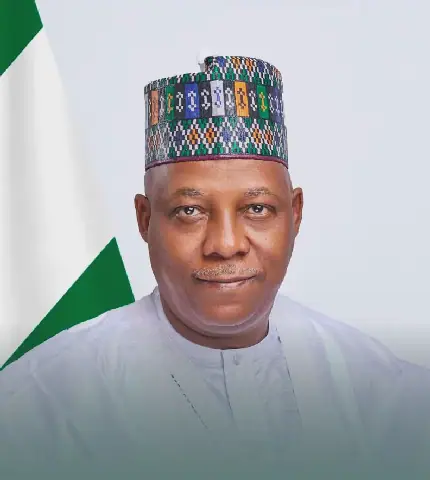
Ghana's Minister of Health, Kwabena Mintah Akandoh, has assured citizens that the country is fully prepared to detect, contain, and manage any potential Ebola cases. This assurance comes as the disease has resurfaced in other African countries, including a recent case reported in Nigeria, a nation with which Ghana shares significant air traffic, trade, and family ties. With Ghana's history of experiencing Ebola scares in 2014 and the COVID-19 pandemic in 2020, preparedness is crucial.
The Minister's recent working visit to the Accra International Airport aimed to assess the country's preparedness at its primary gateway. The visit included meetings with port health personnel, airport executives, and technical officers, as well as an inspection of screening points. This move sends a clear signal to frontline officers that the nation is watching and to the traveling public that the state is awake. Ghana has not recorded any Ebola cases and hopes to maintain this record.
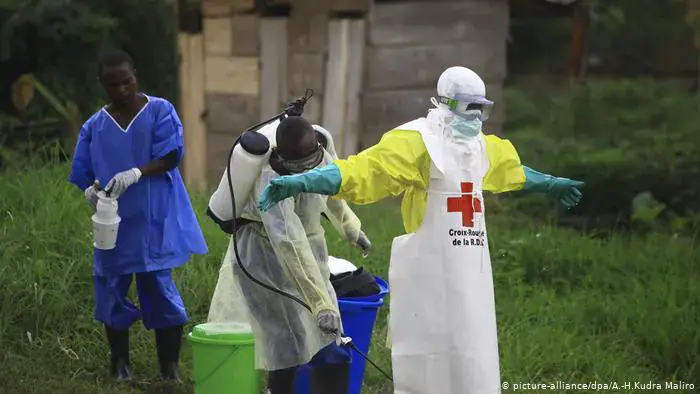
Ghana has expanded its laboratory capacity from three to five laboratories capable of supporting Ebola response, with a ready reference laboratory. This development is significant, especially considering the lessons learned during the COVID-19 pandemic, where testing proved crucial. Additionally, isolation and treatment capacity at the infectious disease center are reportedly ready. These layers of defense are critical in preventing the spread of the disease.
However, experts stress that preparedness cannot be limited to airport optics. The Bundibugyo strain of Ebola, which is currently a concern, has no specific licensed treatment or vaccine with the same level of efficacy as those for the Zaire strain. This makes prevention, early detection, and rapid contact tracing critical. The country's epidemiological vulnerability also lies along its land borders and seaports, which are often porous and under-staffed.
The Ministry of Health must show the same level of energy at land borders, such as Aflao, Elubo, Paga, Hamile, and Gonokrom, as it has at the airport. Preparedness is not just about equipment but also about people. Contact tracers, community health nurses, and district hospitals must be equipped and trained to recognize early symptoms and have clear referral protocols. A public communication strategy that informs without causing panic is also essential.
The minister's directive that no exceptions should be made in enforcing health protocols, particularly at the VIP level, deserves emphasis. Diseases do not respect diplomatic status, and it is crucial that all individuals, regardless of their status, undergo screening and follow protocols. The coordination with continental bodies, such as the Africa CDC, is vital, and real-time intelligence sharing with neighboring countries is necessary.
Ghana has been fortunate in the past, escaping the devastation of Ebola in 2014. However, this luck cannot be relied upon, and preparedness is a daily discipline, not a one-day tour. The country must remain vigilant, keeping laboratories stocked, border staff vigilant, and the public informed. By doing so, Ghana can prepare for a potential case while praying that it never arrives.
Key points
- The Minister of Health assures citizens that Ghana is prepared to detect and manage Ebola cases.
- Ghana has expanded its laboratory capacity to support Ebola response.
- Preparedness is crucial, especially with the country's porous land borders and seaports.