The Ghanaian government has been urged to prioritize the construction of the Pwalugu Multi-Purpose Dam, a project that has been on the drawing board since the 1990s. The dam's inclusion in the 2026 Big Push Financing Programme is a positive step, but its implementation has been delayed. The project's success is crucial for Ghana's development, and its construction is expected to have a significant impact on the country's infrastructure and economy. The dam will provide hydropower, irrigation, and potable water, enhancing food security and public health.
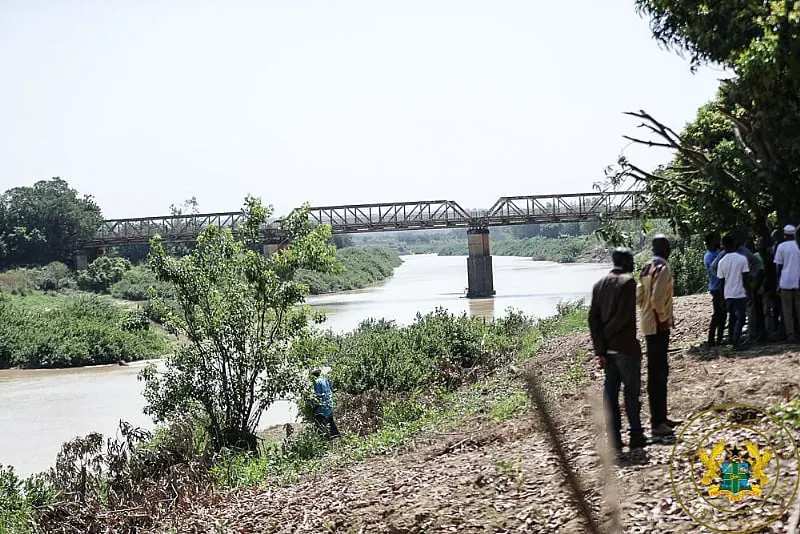
The Pwalugu Multi-Purpose Dam is expected to generate an estimated 100 megawatts of electricity by combining hydro and solar energy. This will not only provide power for the local population but also support large-scale mechanized farming and industries such as cotton, starch, and vegetable oil. The dam will also provide vital containment for excess water from Burkina Faso's Bagre Dam, preventing perennial flooding that devastates downstream livelihoods. This aspect of the project is particularly important for the region's residents who have been affected by flooding in the past.
The irrigation component of the project is equally essential, with the capacity to irrigate 25,000 hectares of arable land and provide potable water. This will significantly enhance food security and public health in Ghana, which has faced challenges with food insecurity in recent years. According to recent data, 12.5% of Ghana's population faced food insecurity in late 2025, and the country spent $3 billion on maize imports. The Pwalugu Multi-Purpose Dam project can help reduce Ghana's reliance on neighboring countries for staples like rice, millet, and vegetables.
The multi-faceted nature of the Pwalugu Multi-Purpose Dam project will support large-scale mechanized farming, revive the Pwalugu Tomato Factory, and bolster industries such as cotton, starch, and vegetable oil. The project will also be a significant engine for job creation and technical training, encouraging local expertise and reducing the need for migration to the south. Furthermore, reliable power and water will attract public officials and private investment to the Upper and North-East regions, stimulating economic growth and development.
The government has reaffirmed its determination to break ground on the project, which will be executed in phases. The initial focus on hydropower is crucial, as the success of subsequent phases depends on power availability. The decision to phase the project allows for a realistic appraisal of funding and diligent execution. This approach will ensure that the project is completed efficiently and effectively, with minimal disruptions or setbacks.
Collaboration with technical institutions such as the Savanna Agricultural Research Institute (SARI), the University for Development Studies, and the Millar Institute will be essential for the project's success. These institutions will provide expertise and research-based solutions to ensure that the project is implemented effectively and efficiently. By working together, the government and technical institutions can ensure that tested research is put into practice, maximizing the project's impact and benefits.
While there are legitimate calls for accountability regarding previous expenditures on the Pwalugu Multi-Purpose Dam project, these investigations must not stymie its immediate resumption. The project is a critical pillar for Ghana's "Resetting Agenda" and a necessity for national development. The government is urged to treat this project with the highest sense of urgency, prioritizing its construction to ensure that its benefits are realized as soon as possible.
Key points
- The Pwalugu Multi-Purpose Dam project will generate an estimated 100 megawatts of electricity and irrigate 25,000 hectares of arable land.
- The project will provide vital containment for excess water from Burkina Faso's Bagre Dam, preventing perennial flooding.
- The project will support large-scale mechanized farming, revive the Pwalugu Tomato Factory, and bolster industries such as cotton, starch, and vegetable oil.