Ghana's government has announced a proposed investment programme of over $9 billion to drive industrial development and employment between 2027 and 2030. The programme, announced on 8 November 2026, targets sectors with potential to generate employment and boost domestic economic activity. President John Dramani Mahama's initiative reflects a broader ambition to move beyond economic recovery towards a more productive economy. The programme aims to support local manufacturing, enterprise development, and job creation.
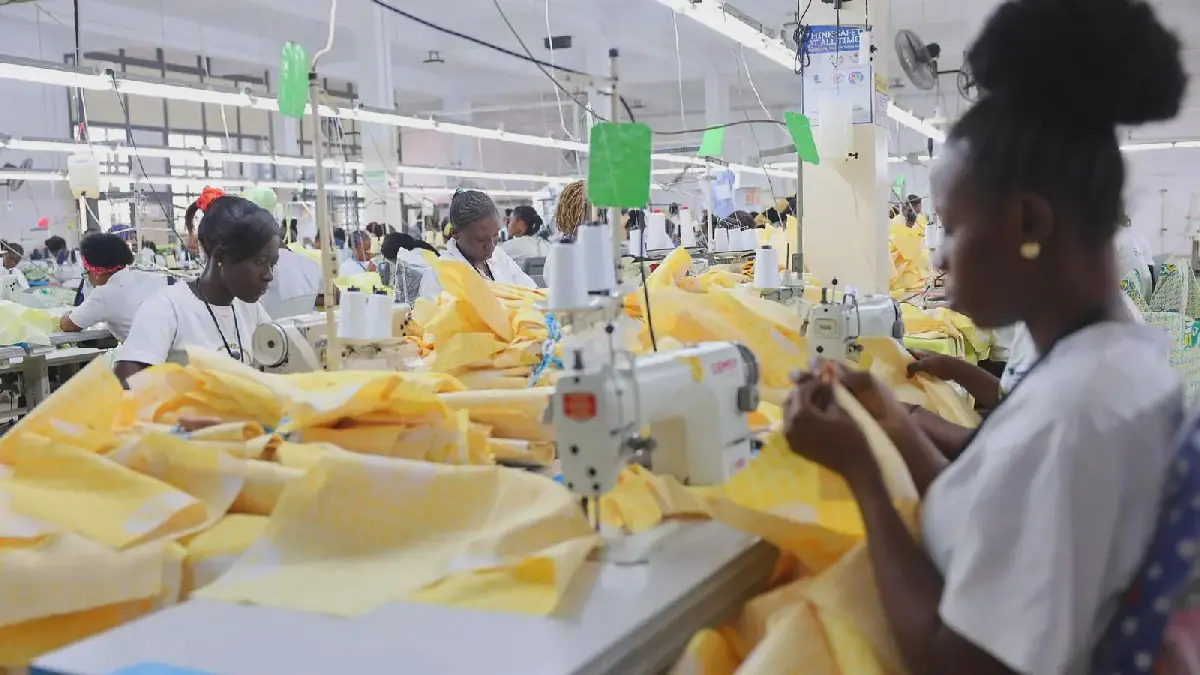
One highlighted project is a proposed 200-acre light industrial zone in Keta, in the Volta Region. The development is expected to create approximately 3,000 jobs initially, with a longer-term target of 10,000. The zone could provide opportunities for businesses to expand production, improve access to industrial facilities, and connect local enterprises to wider markets. This project is part of a broader effort to strengthen domestic production capacity in textiles and garments.
The emphasis on textiles and garments is significant, as these industries offer opportunities to create employment, support small businesses, and retain more value from agricultural products. Ghana's cotton, garment, and fashion value chains could benefit from stronger domestic production capacity. However, investment must be matched by reliable electricity, infrastructure, skills development, and access to finance to ensure the sector's growth.
Commercial agriculture is another important component of the proposed strategy. Strengthening agricultural production and processing can help reduce post-harvest losses, improve food supply chains, and create stronger connections between farmers and manufacturers. By expanding local processing, Ghana can develop industries that retain more economic value within the country, rather than exporting raw commodities alone.
The government is expected to provide further details of the programme in its 2027 Budget presentation scheduled for 12 November. The announcement will be important in establishing the financing structure, implementation timeline, and specific mechanisms through which the proposed investments will be delivered. Investors will also look for policy consistency, dependable infrastructure, access to markets, and an environment that supports long-term business planning.
For Africa, Ghana's approach raises a wider development question: how can national investment strategies move beyond headline figures to build industries that create lasting economic value? The continent's industrial transformation will depend partly on its ability to connect agriculture, manufacturing, infrastructure, and finance within coherent national development plans. Ghana's proposed $9 billion programme is an ambitious step in that direction.
The ultimate significance of Ghana's programme will be measured not by the size of the announcement but by the industries it builds, the businesses it strengthens, and the livelihoods it creates. The programme's success will depend on effective implementation, with investment announcements translating into funded projects, functioning industrial facilities, and measurable opportunities for businesses and workers.
Key points
- The proposed programme targets sectors with potential to generate employment and boost domestic economic activity, including textiles, garments, commercial agriculture, hospitality, and tourism.
- The programme aims to support local manufacturing, enterprise development, and job creation.
- The success of the programme will depend on effective implementation, policy consistency, and dependable infrastructure.
Reporting sources
- Ghana’s Next Economic Chapter: A $9 Billion Push to Build Productive Industries · African Leadership Magazine