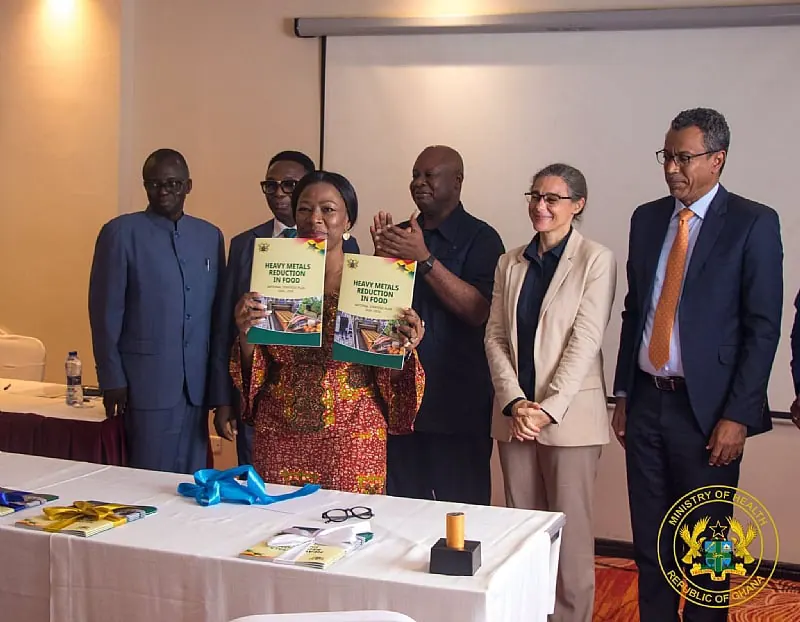
The government of Ghana has introduced a five-year national strategy aimed at reducing heavy-metal contamination in food. The National Strategic Plan for Heavy Metals Reduction in Food, which will run from 2026 to 2030, seeks to minimize exposure to toxic substances like lead, cadmium, mercury, and arsenic in the food system. These contaminants can enter the food chain through environmental pollution, agricultural practices, food processing, and packaging. The plan is designed to protect consumers, particularly vulnerable groups such as children and pregnant women.
The Deputy Minister for Health, Prof. Dr. Grace Ayensu-Danquah, emphasized the importance of food safety in protecting public health and promoting national development. She noted that ensuring safer food would not only safeguard consumers but also boost public confidence, strengthen the food industry, and enhance the competitiveness of Ghanaian products in local and international markets. The new plan will focus on strengthening regulations, surveillance, and laboratory capacity, as well as improving industry compliance, research, and public education on heavy-metal contamination.
According to Prof. Dr. Ayensu-Danquah, effective implementation of the plan requires strong coordination among institutions responsible for food safety, along with clear accountability. She commended the United Nations International Children's Emergency Fund (UNICEF) for its technical and financial support in developing the plan and urged all stakeholders to contribute to its successful implementation. The plan is expected to have a positive impact on the health and well-being of Ghanaian citizens.
The Deputy Chief Executive of the Food and Drugs Authority (FDA), Mr. Roderick Daddey-Adjei, stated that the plan was developed through extensive consultations with key stakeholders. With support from UNICEF, the FDA had also generated evidence on heavy-metal contamination in selected food products, providing a basis for targeted interventions. This evidence will inform efforts to reduce contamination and ensure safer food for consumers.
The launch of the plan brought together representatives from various government agencies, including the Ministry of Health, FDA, Ministry of Food and Agriculture, Environmental Protection Agency, Ghana Standards Authority, and Minerals Commission. UNICEF, academia, industry, civil society, and other partners were also in attendance. The stakeholders are expected to collaborate on implementing the plan and strengthening efforts to ensure safer food and healthier communities across Ghana.
The National Strategic Plan for Heavy Metals Reduction in Food aims to address a critical public health concern in Ghana. Heavy-metal contamination can have severe health consequences, particularly for vulnerable populations. By reducing exposure to these contaminants, the plan seeks to promote a healthier food system and protect the well-being of Ghanaian citizens. The plan's success will depend on effective coordination and collaboration among stakeholders.
The implementation of the plan is expected to have a positive impact on Ghana's food industry and economy. By ensuring safer food, Ghanaian products can gain a competitive edge in local and international markets. The plan's focus on public education and awareness will also empower consumers to make informed choices about the food they eat. Ultimately, the plan aims to contribute to a healthier and more sustainable food system in Ghana.
Key points
- The plan aims to reduce exposure to heavy metals in food and protect vulnerable populations such as children and pregnant women.
- The plan was developed through extensive consultations with key stakeholders, including government agencies, industry, and civil society.
- The plan's success will depend on effective coordination and collaboration among stakeholders, including clear accountability and strong regulation and surveillance.