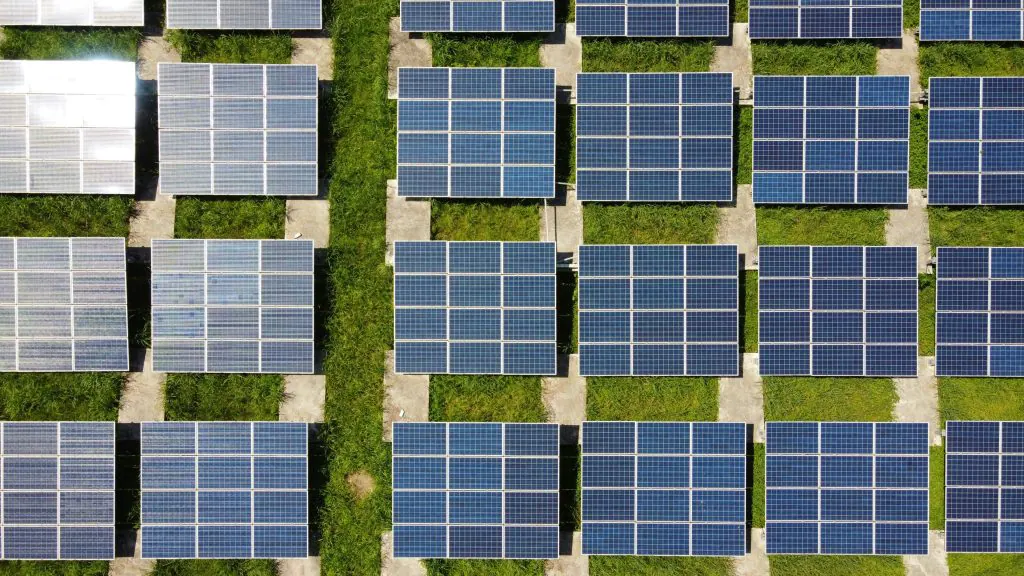
Ghana has introduced its updated Renewable Energy Master Plan for 2026-2030, aiming to boost clean power and extend electricity access to underserved communities. The plan, launched on 21 September 2026, combines large-scale renewable energy projects with practical solutions like mini-grids and solar lanterns. It targets 852 MWp of new utility-scale solar capacity, 709 MWp of wind power, 127 MWp of hydropower, 440 mini-grids, and 1.1 million solar lanterns by 2030.
Ghana has made progress in expanding electricity access, reaching 89.5% by December 2024. However, significant gaps remain, particularly in rural and island communities where extending the national grid is costly. The proposed mini-grids could help close this gap by providing decentralised electricity to communities beyond the reach of conventional infrastructure. This initiative aims to drive economic growth and rural development through clean energy.
Financing is central to the plan's success, with an estimated investment requirement of US$10.8 billion. Private capital is expected to play a significant role alongside public funding, development finance, and climate-related investment. Ghana's experience with earlier mini-grid initiatives highlights the difficulties of securing funds, completing projects, and ensuring long-term operation. Clear procurement rules, predictable regulation, and credible financing arrangements will be necessary to attract investors.
Wind power presents another opportunity, with the plan targeting 709 MWp of new wind capacity by 2030. Progress will depend on detailed resource assessments, viable project locations, investment, and the infrastructure needed to connect new capacity to the national grid. Ghana's wind sector remains largely undeveloped, offering potential for growth.
The plan projects over 353,000 jobs across manufacturing, construction, installation, research, and operations. It emphasises local manufacturing, skills development, and broader participation by women, young people, and persons with disabilities. These benefits will depend on whether projects create meaningful opportunities for local suppliers, workers, and businesses.
Energy storage and grid integration will be crucial, as solar and wind output varies with weather conditions. Battery storage, transmission capacity, and effective system management will be essential to delivering dependable electricity. Without these supporting systems, new renewable capacity may not translate into reliable power for households and industry.
The success of Ghana's 2026-2030 Renewable Energy Master Plan will depend on securing financing, completing projects, and ensuring systems remain operational. Ultimately, the most meaningful measure will be the number of households and businesses that gain reliable electricity and continue to benefit from it. The plan is both an energy roadmap and a development strategy, aiming to drive economic growth and improve electricity access.
Key points
- Ghana targets 852 MWp of new utility-scale solar capacity and 709 MWp of wind power by 2030.
- The plan requires an estimated US$10.8 billion in investment.
- Over 353,000 jobs are projected across various sectors.