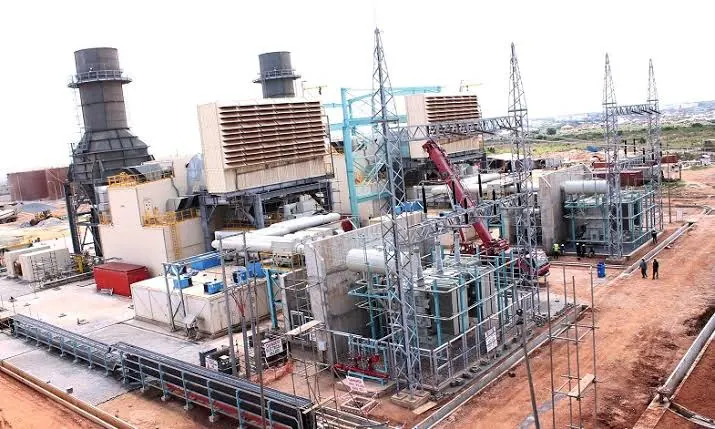
President John Dramani Mahama announced that Ghana will sign an agreement to construct a 1,200-megawatt state-owned gas-fired thermal power plant by the end of 2026. The plant will become the country's largest single electricity generating facility, exceeding the installed capacity of the Akosombo Hydroelectric Power Station, which currently stands at 1,020MW. This development marks a shift in Ghana's electricity generation mix from hydro to thermal.
The decision to invest in a gas-fired thermal plant is driven by changes in the global energy landscape, including the shift towards renewable energy sources and the rising uptake of electric vehicles. Mahama explained that the government wants to avoid investing in power assets that may become stranded as the global energy mix evolves. The President also noted that some Independent Power Producers (IPPs) have threatened to scale back or suspend generation over unpaid debts but are now willing to invest an additional 500MW into the system.
Despite the willingness of IPPs to invest, the government prefers to build its own state-owned generation capacity rather than rely solely on private investment. Mahama linked the planned expansion to renewed activity in Ghana's upstream oil and gas sector, which will feed gas supply into thermal plants. Oil production has risen by almost 38 percent since 2025, driven by investments from Jubilee Partners and Eni.
The President highlighted that the government has cleared outstanding energy sector debts and reorganised the Electricity Company of Ghana (ECG), the state utility responsible for distributing power to households and businesses. This has helped stabilise supply after a period when IPPs threatened to switch off power over non-payment. The government is pursuing its "Big Push" electrification and infrastructure programme to improve electricity access.
The announcement comes as households in parts of Ghana continue to experience localised outages. In Tema, ECG has scheduled power cuts affecting more than 30 communities between September 29 and October 1. A larger, dedicated state-owned plant would be a step towards more consistent electricity access, although benefits will depend on when the plant is completed and connected to the grid.
Key details of the project, including the contractor, financing arrangement, and site location, have not been disclosed. No construction timeline beyond the planned signing date has been given, and it remains unclear how the 1,200MW facility will be financed or which entity will operate it once built. The project is expected to be a significant development in Ghana's energy sector.
The planned gas-fired thermal power plant is part of Ghana's efforts to improve its energy infrastructure and provide more reliable electricity access to households and businesses. The project is expected to have a significant impact on the country's energy sector and economy.
Key points
- Ghana plans to sign a deal for a 1,200MW state-owned gas-fired thermal power plant by the end of 2026.
- The plant will become the country's largest single electricity generating facility, exceeding the installed capacity of the Akosombo Hydroelectric Power Station.
- The project is driven by changes in the global energy landscape and Ghana's efforts to improve its energy infrastructure.