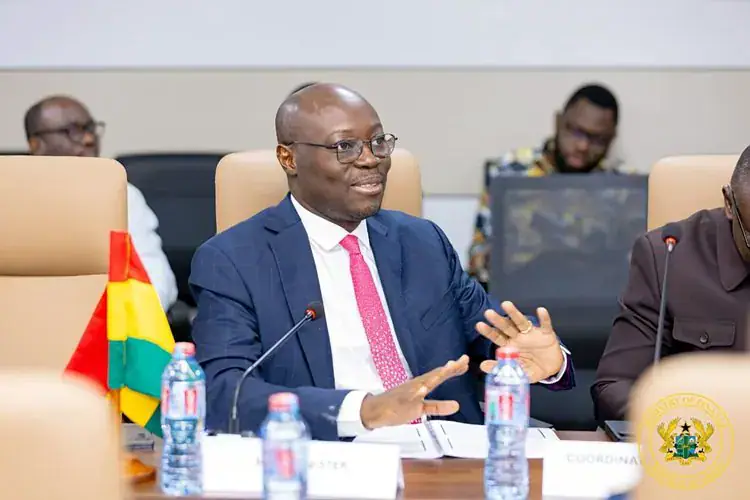
The Ghanaian government has unveiled plans to invest $3 billion in the commercial agriculture sector, a key component of the New Economy Programme. Finance Minister Dr. Cassiel Ato Forson announced the initiative while presenting the 2027 Budget. The program aims to leverage agriculture as a primary driver of employment, food security, and industrial growth.
A significant part of the investment will be allocated to the construction of the Pwalugu Multipurpose Dam at a cost of $1 billion. The dam is expected to have a multifaceted impact, including irrigating 25,000 hectares of farmland and providing facilities for 1,000 fish cages. This will enable year-round vegetable production, ensure flood protection and water security, and generate 70 MW of hydropower.
The Pwalugu Multipurpose Dam project is slated for completion in two phases, with the first phase expected to be ready by early 2029 and full completion targeted for 2030. In addition to the dam project, the government plans to develop eight integrated agricultural industries. This will include the establishment of Rice Development Hubs in various regions, including the Afram Plains, Volta Basin, Western Ghana, and Northern Ghana.
The Rice Development Hubs will introduce modern agricultural practices, including irrigation, mechanization, and logistics. The initiative aims to bring an additional 100,000 hectares under rice cultivation, targeting yields of 5 to 6 metric tonnes per hectare. This is expected to create approximately 125,000 jobs. Furthermore, the government plans to amend public procurement laws to ensure that public institutions purchase only Ghana-grown rice and other staple foods using public funds.
The government has also set a goal to achieve self-sufficiency in sugar production by 2030 through locally grown sugarcane and irrigated production zones. This will involve organizing out-growers and establishing commercially viable sugar mills. The government will also introduce import permits and quotas to restrict sugar imports as local production increases.
In the poultry industry, the government will develop the entire poultry value chain, including breeder farms, hatcheries, and animal feed. This initiative aims to reduce feed costs, which currently account for 60 to 70 percent of poultry production costs. The government will also address Ghana's estimated annual fish supply gap of 500,000 metric tonnes by making aquaculture the main source of new fish supply.
The program has the potential to create more than 250,000 jobs, with a target of self-sufficiency and export capacity by 2032. A $500 million World Bank financing arrangement has been secured for consideration by Parliament. Additionally, the government aims to process at least 50 percent of Ghana's cocoa locally by 2028 and increase local processing to 100 percent by 2030.
Key points
- The investment aims to create over 250,000 jobs and drive self-sufficiency in key agricultural products.
- A $500 million World Bank financing arrangement has been secured to support the program.
- The program targets self-sufficiency and export capacity in key agricultural sectors by 2032.
Reporting sources
- Gov’t to invest US$3 Billion in commercial agriculture · The Ghanaian Times