Ghana is set to introduce regulations on artificial intelligence (AI) that will differentiate between harmless experimentation and high-risk applications. According to Communications, Digital Technology and Innovation Minister Samuel Nartey George, the goal is to create a regulatory framework that safeguards citizens and businesses while allowing responsible experimentation. This approach will enable students to explore AI tools without facing stringent regulations, unlike businesses using AI-driven systems that make financial decisions.
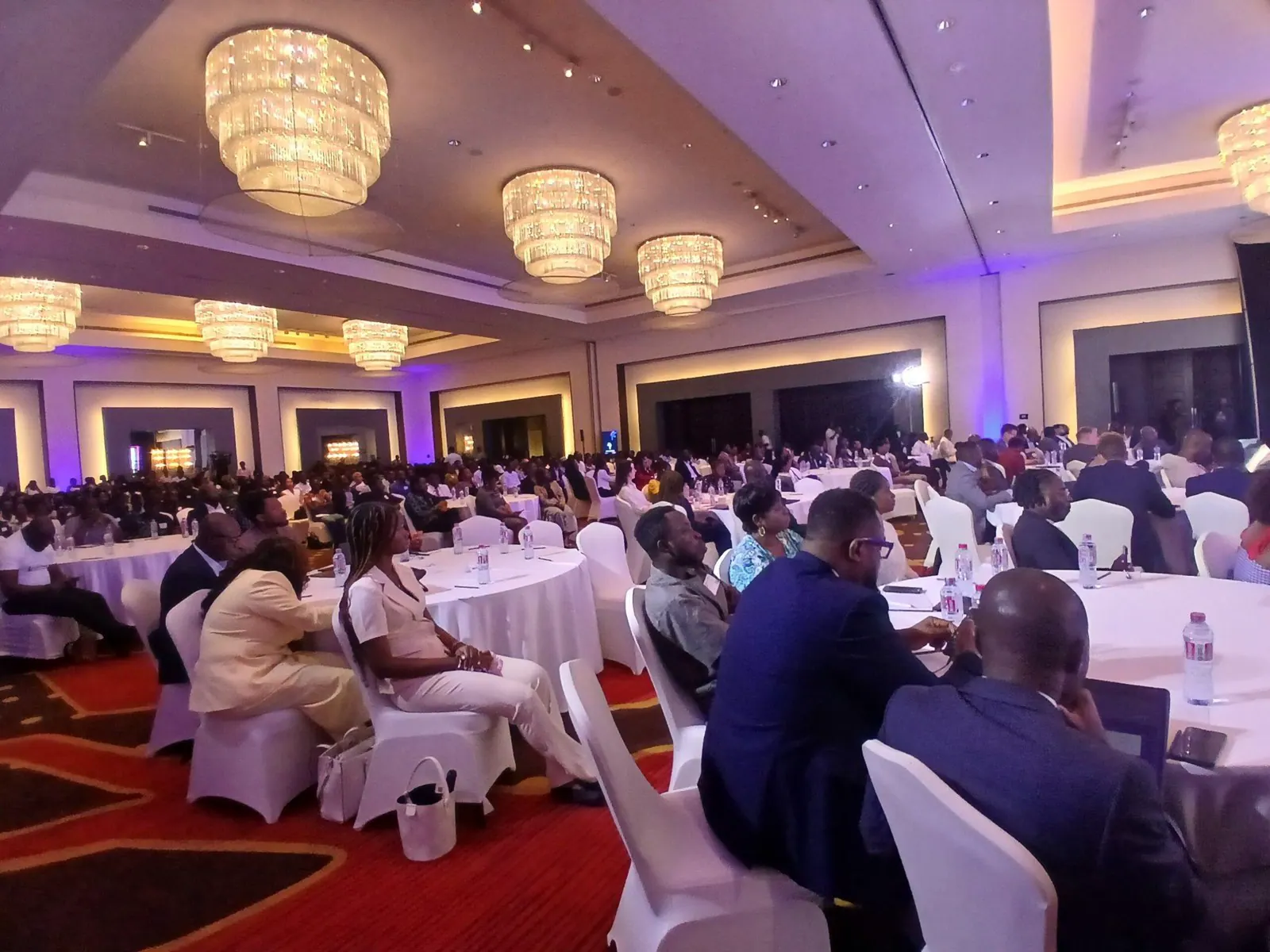
Minister George addressed the Second Pan African AI and Innovation Summit 2026 in Accra virtually, highlighting Ghana's strategy to develop a regulatory framework that encourages innovation while minimizing risks. He emphasized that the rules being developed will separate low-risk experimentation from high-risk uses, such as AI-driven lending systems. This distinction is crucial, as it will enable Ghana to harness the benefits of AI while protecting its citizens and businesses.
Ghana has made significant progress in implementing its 10-year AI strategy. As of early August, the government's One Million Coders programme had reached 141,959 registered accounts, with nearly 30,000 active learners and over 6,000 completions. The programme aims to equip Ghanaians with essential coding skills, and the government plans to deepen ties with 11 public universities, making participation in the coding programme compulsory for Level 100 students during the academic year.
The government has also invested in national computing infrastructure and AI applications for researchers, universities, and start-ups. Cabinet has approved a US$250 million investment in this area, which will help drive innovation and entrepreneurship in Ghana. Additionally, the Ghana Revenue Authority has successfully implemented an AI-enabled system called Publican AI, which has increased port revenue collection by approximately US$4 million per day.
The distinction between low-risk and high-risk AI applications has direct implications for ordinary Ghanaians. For instance, a fintech or bank using an algorithm to decide who qualifies for a loan will face stricter scrutiny than a student or small business owner experimenting with AI tools for learning or productivity. This approach mirrors concerns raised in Ghana's wider fintech regulation debate, including recent warnings from the Bank of Ghana about risks in fast-moving digital finance.
Other speakers at the summit emphasized the need for continental coordination in AI regulation. Thelma Quaye of Smart Africa warned that fragmented digital identity, payments, and data systems could limit African innovators' ability to scale, urging countries to keep policy sovereignty while making systems interoperable. Chris Halliday, the UK's Deputy High Commissioner to Ghana, encouraged African nations to shape AI systems around their own languages and needs rather than simply importing technology built elsewhere.
While the exact date for the implementation of the AI regulatory framework is not specified, Minister George confirmed that the government's 10-year AI strategy is already underway. Compulsory coding participation for Level 100 students is expected to begin during the current academic year. The government's focus on building skills, infrastructure, data governance, and policy will enable Ghana to participate in the global AI conversation on its own terms.
Key points
- The new AI regulations in Ghana will focus on mitigating risks and harms, rather than stifling innovation and curiosity.
- Ghana's 10-year AI strategy includes training public-sector staff, investing in national computing infrastructure, and promoting AI adoption across ministries, departments, and agencies.
- The government's One Million Coders programme has reached 141,959 registered accounts, with nearly 30,000 active learners and over 6,000 completions as of early August.