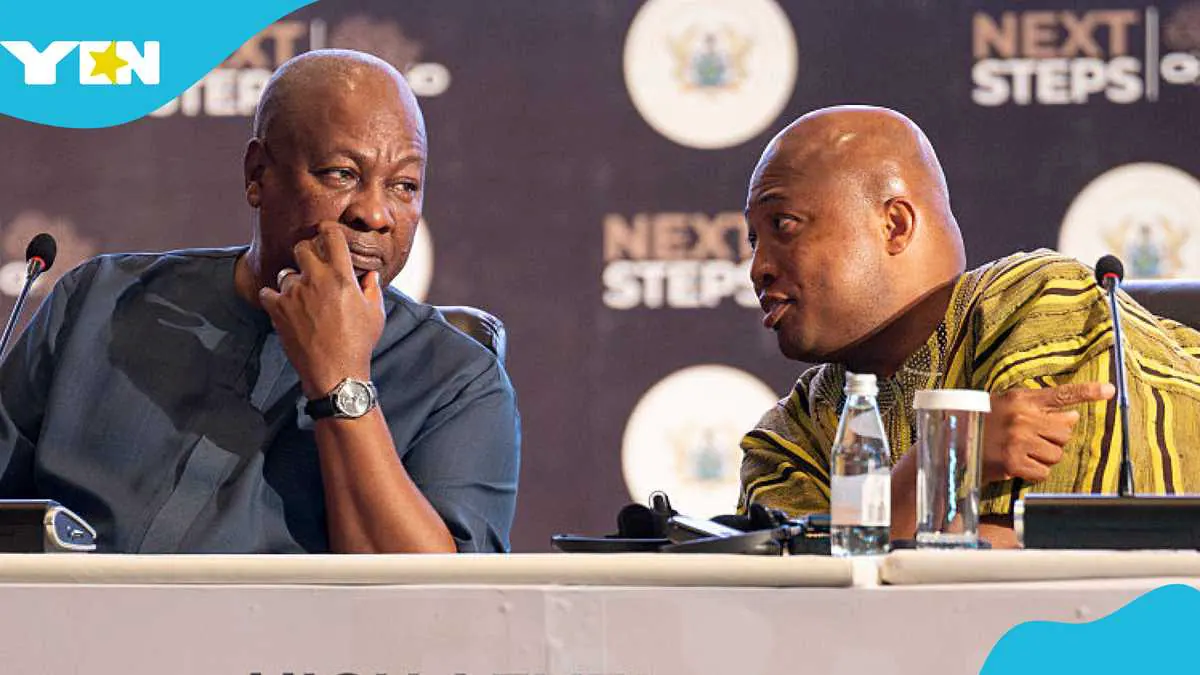
Ghana is set to host a high-level side event on Reparatory Justice at the 81st Session of the United Nations General Assembly. The event aims to address historical injustices with a comprehensive framework. This framework is structured around 19 distinct pillars that cover various areas, including debt relief and diaspora rights. The 19 pillars provide a broad scope for reparatory justice efforts, encompassing legal, economic, cultural, and social dimensions.
The 19 pillars of Reparatory Justice cover a wide range of thematic areas. They begin with the Acknowledgement of Truth and Apology, followed by Law and Justice, and Compensatory Reparations. Other pillars include Restitution of Cultural Property and Heritage, Decolonisation, and Global Governance Reforms. These pillars address systemic economic concerns, such as Transforming Global Economic and Development Architecture, Debt Relief and Financial Justice, and the establishment of a Global Reparations Fund.
The framework also focuses on Corporate Accountability and Business Responsibility, Technology Innovation and Capacity Building, Public Health and Well-being, Gender Justice, and Climate Justice. These areas signal the agenda's intent to connect historical harm with contemporary crises affecting formerly colonised and enslaved populations. The pillars reflect a consensus among advocates that reparatory justice cannot be reduced to financial compensation alone.
The final five pillars extend into long-term and community-level concerns. These include the Multi-Generational and Inter-Generational Dimension, Spiritual, Psychological Rehabilitation and Social Healing, Education, Knowledge and Cultural Renewal, Truth, Documentation and Public Memory, and Diaspora Engagement, Citizenship and Right of Return. These areas highlight the need for a comprehensive approach to reparatory justice.
Ghana's decision to host the side event at the United Nations General Assembly places the country at the centre of a growing international conversation on how states and multilateral institutions should respond to the legacies of slavery and colonialism. The 81st Session of the United Nations General Assembly serves as a significant platform for discussion, with member states, civil society organisations, and diaspora communities expected to engage with the reparatory justice framework in detail.
The breadth of the 19 pillars reflects a consensus among advocates that reparatory justice cannot be reduced to financial compensation alone. It encompasses reform of global governance structures, recognition of climate vulnerability among historically exploited nations, and formal mechanisms to facilitate the return and civic inclusion of diaspora communities. This comprehensive approach aims to address the historical injustices faced by formerly colonised and enslaved populations.
The event, reported by Delali Adogla-Bessa, a Current Affairs Editor with YEN.com.gh, is a significant step towards a broader discussion on reparatory justice. With the 19-pillar framework, Ghana is taking a leading role in the global conversation on how to address historical injustices and promote reparatory justice.
Key points
- The 19-pillar framework for Reparatory Justice covers a wide range of areas, including debt relief, diaspora rights, and climate justice.
- Ghana is hosting a high-level side event on Reparatory Justice at the 81st Session of the United Nations General Assembly.
- The framework reflects a consensus among advocates that reparatory justice cannot be reduced to financial compensation alone.