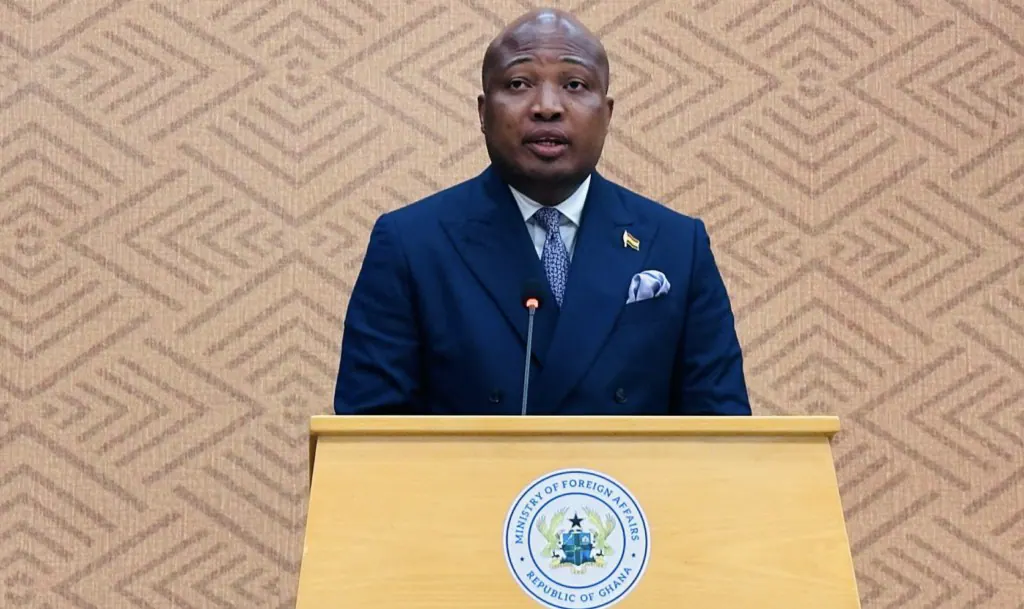
Ghana's government has made provisions in its 2027 Budget to construct a new museum dedicated to housing cultural artefacts being returned to the country from abroad. The announcement was made by Foreign Affairs Minister Samuel Okudzeto Ablakwa while speaking to journalists on the margins of the 81st United Nations General Assembly in New York. The facility will provide a proper home for thousands of artefacts Ghana expects to receive through ongoing restitution and repatriation efforts with countries including the Netherlands, Germany, Portugal, and France.
The proposed museum is expected to be more than just a storage solution, with Ablakwa framing it as a significant tourism and economic asset for the country. The facility will create economic opportunities both during its construction and once it opens, allowing returned artefacts to be displayed in a way that showcases Ghana's history and heritage. Ablakwa cited the Kwame Nkrumah Memorial Park, a well-known cultural site in Accra that draws steady visitor numbers and generates revenue, as a model for what a modern artefact museum could achieve.
The Ghanaian government has been actively pressing European museums and governments to return items looted during the colonial period. Restitution refers to the return of cultural property, such as artworks, regalia, and human remains, that was taken from its country of origin without consent, often during colonial rule. Ablakwa stated that the government is working on both the physical infrastructure and a policy framework to ensure that returned artefacts are properly preserved and managed.
In addition to the main museum, Ablakwa disclosed plans for a separate, dedicated museum for the preserved head of King Badu Bonsu II, the Ahanta king who was beheaded by Dutch colonial authorities after resisting their rule. The memorial will serve as evidence that Ghanaian chiefs resisted colonial domination and the transatlantic slave trade, some paying with their lives. This will help counter narratives that suggest Africans did not fight back against enslavement and colonisation.
While Ablakwa's announcement provides a general outline of the plans, several key details remain undecided. No site, construction cost, or opening date for the main museum has been made public. The funding for the project beyond the 2027 Budget provision is also unclear, leaving questions about when construction might begin.
The promise of a dedicated museum touches both national pride and potential livelihoods for ordinary Ghanaians. A dedicated museum could create construction jobs in the near term and hospitality, guiding, and retail employment once artefacts go on display. It will also determine where and how the public gets to view items repatriated after long-running diplomatic negotiations with European institutions.
The government has not yet stated how the wider public will be consulted on the museum's design or location. The project is expected to have a significant impact on Ghana's cultural and economic landscape, and further details are likely to be announced in the coming months.
Key points
- The new museum will house thousands of cultural artefacts being returned to Ghana from abroad.
- The facility is expected to create economic opportunities and jobs for Ghanaians.
- A separate museum is planned for the preserved head of King Badu Bonsu II.