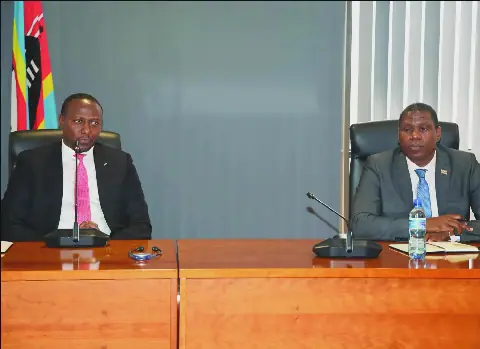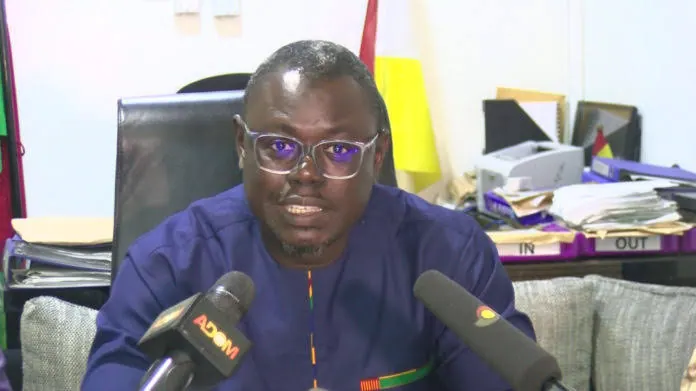
The Pre-Tertiary Education Teachers Association of Ghana (PRETAG) has expressed frustration with the government's handling of their concerns, likening it to "tossing a football back and forth." President Adokwei Ayikwei Awulley made the accusation during a meeting with the Minister of Education, Haruna Iddrisu, on September 28, 2026. The unions are pressing for resolution on several key issues, including the implementation of the Deprived Area Allowance and the placement of promoted teachers on their correct ranks.
The delayed implementation of the Deprived Area Allowance is a major point of contention for the unions. Despite repeated promises from government officials, the allowance remains unimplemented. Mr. Awulley emphasized that this issue, along with the payment of arrears for promoted teachers, is a significant concern for the unions. The teachers' collective agreement expired in June, but talks on a new agreement have stalled. Some allowances under the current agreement fell due for payment in September, adding to the unions' grievances.
The nationwide strike, which began on September 25, is being led by PRETAG, the Ghana National Association of Teachers (GNAT), and the National Association of Graduate Teachers (NAGRAT). The unions are demanding the release of promotion arrears, negotiations on a new collective agreement, and implementation of the Deprived Area Allowance. The strike has disrupted educational activities across the country, with teachers refusing to return to the classroom until their demands are met.
A meeting between the teacher unions and the Minister of Education on September 28 was intended to resolve the outstanding issues and end the strike. However, the unions have rejected calls to return to work, citing the government's lack of concrete steps to address their concerns. The strike is expected to continue until the government takes tangible action to meet the unions' demands.
The impasse has significant implications for Ghana's education sector. With the strike showing no signs of abating, students and parents are bearing the brunt of the disruption. The government's inaction has led to accusations that it is not prioritizing the education sector. The unions remain resolute in their demands, and it appears that the strike will persist until a resolution is reached.
The situation is further complicated by the expired collective agreement and the pending allowances. The unions are seeking a new agreement that addresses their concerns and provides a fair deal for teachers. The government's response to the strike has been criticized as inadequate, with the unions accusing it of treating their concerns with contempt.
As the strike continues, all eyes are on the government to take concrete steps to address the unions' demands. The Minister of Education, Haruna Iddrisu, faces mounting pressure to find a solution to the crisis. The fate of Ghana's education sector hangs in the balance, and a swift resolution to the strike is imperative to prevent further disruption.
Key points
- The Ghanaian government's inaction on teachers' concerns has led to a nationwide strike.
- The strike, led by PRETAG, GNAT, and NAGRAT, is demanding the release of promotion arrears and implementation of the Deprived Area Allowance.
- A resolution to the strike is crucial to prevent further disruption to Ghana's education sector.