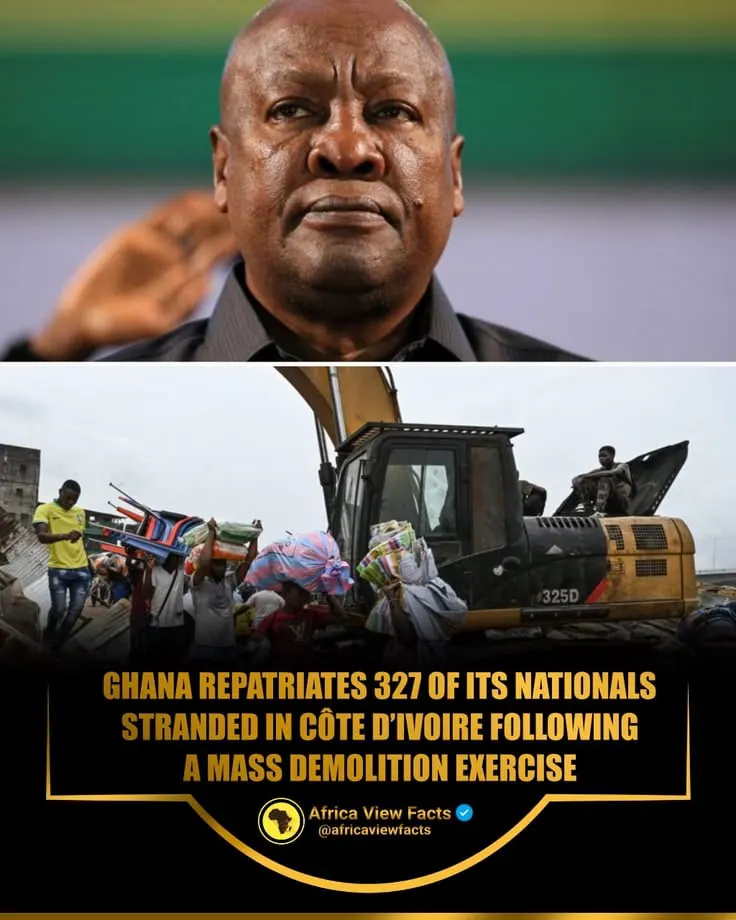
In a significant move to address its environmental challenges, Ghana has initiated a major clean-up operation in Agbogbloshie, a long-standing ecological disaster site in Accra. The project, commissioned by President John Dramani Mahama, aims to clear approximately one million metric tonnes of waste from Agbogbloshie, Old Fadama, and surrounding areas within 90 days. The waste will be transported to the Adepa Engineered Landfill Site near Nsawam, marking a collaborative effort between the Ministry of Local Government, the Ghana Armed Forces' 48 Engineer Regiment, and the District Road Improvement Programme.
The clean-up operation is part of a broader plan to transform the reclaimed land into an industrial hub, anchored by a textile factory. This aligns with the 2026 budget's focus on garment manufacturing as a strategic export sector. The Ghanaian Times editorial board has emphasized that this initiative must bring about fundamental changes in how Accra manages waste and protects its waterways, including the Korle Lagoon. President Mahama has stressed that the site must never again become a dumping ground, highlighting the need for sustained efforts beyond the initial clean-up.
Concurrently, President Mahama attended the 81st Session of the United Nations General Assembly in New York, where he delivered Ghana's official statement and hosted a high-level side event on the "Accra Reset." This event focuses on making global development work again and features a forum on reparatory justice and the restitution of African cultural heritage. By using the UN platform to advocate for structural changes in global financial architecture and the return of looted African artefacts, Ghana positions itself as a nation demanding reform rather than merely seeking assistance.
Ghana's efforts have garnered praise from unexpected quarters, including Aliko Dangote, chairman of the Dangote Group. Dangote credited President Mahama with turning around Ghana's economy in a short time, citing it as proof that trust attracts investment. He pointed to significant macroeconomic improvements, including a decline in inflation from 23.8 percent in December 2024 to 3.4 percent by April 2026, and a rise in foreign reserves to nearly $13.9 billion. Ghana's economy grew by approximately 6 percent in 2025, pushing its GDP past $114 billion.
Despite these achievements, the International Monetary Fund (IMF) projects Ghana's public debt will rise to 53.0 percent of GDP by the end of 2026, up from 45.3 percent in 2025. This highlights the delicate balance between economic stability and debt sustainability. The government's challenge lies in maintaining investor confidence while ensuring that economic growth translates into sustainable development.
On the domestic front, the long-awaited Dome-Kwabenya–Berekuso–Kitase road has received a lifeline. The Ministry of Roads and Highways has issued a Commencement Authorisation Letter, directing the contractor to resume work on the 23-kilometre stretch. The road, which has been roughly 27 percent complete for years, has been a source of frustration for residents. Minister of Roads and Highways, Governs Kwame Agbodza, has given the contractor a year and a half to complete the project.
The week also brought news of a tragic incident involving Dr. Kofi Akamani, a 48-year-old Ghanaian academic and professor of forestry at Southern Illinois University Carbondale. Dr. Akamani was shot and killed near his wife's residence in Murphysboro, Illinois, on September 19. His wife, Betty Akamani, has been charged with two counts of first-degree murder and is in custody pending further proceedings.
Key points
- Ghana initiates major clean-up operation in Agbogbloshie
- President Mahama advocates for global development reform at UNGA
- Ghana's economy shows signs of improvement, but debt sustainability remains a challenge