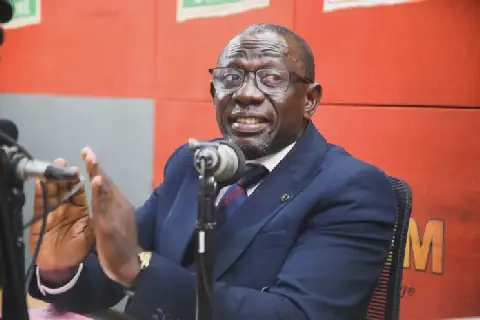
Ghana is grappling with a growing culture of indiscipline, evident in the disregard for rules and regulations in public spaces. From streets and markets to residential areas, the signs of disorder are unmistakable. The issue has sparked concerns that political convenience has become more important than the national interest. Rev. Fr George Obeng Appah, in an opinion piece in the Daily Graphic, highlighted the problem and the need for responsible citizenship, effective institutions, and courageous political leadership.
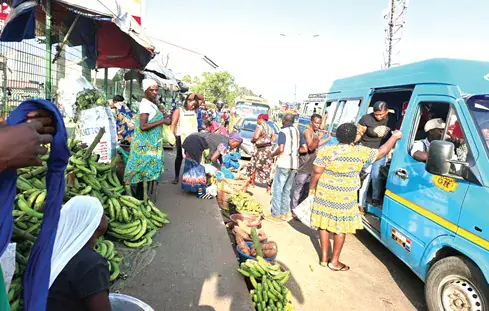
A recent experience in Rwanda, where the country exhibited neatness, orderliness, and respect for public spaces, has raised questions about why Ghana struggles to maintain basic order and discipline in its towns and cities. Despite having abundant human and natural resources, Ghana faces challenges in enforcing regulations, with traders and hawkers occupying bus stops, pavements, and principal streets. Markets have sprung up in available spaces, and buildings are being erected without regard for approved plans, drainage systems, or public safety.
The attitude of some people in defending indiscipline has become a concern, with some arguing that they have the right to occupy public spaces to survive. While the struggles of those in the informal sector deserve compassion and practical intervention, it is essential to consider the impact on other citizens whose safety, convenience, and livelihoods are affected by these activities. The government must provide properly organised and affordable trading spaces, give affected traders reasonable notice, and treat them with dignity.
Some politicians have been accused of surrendering to the arguments of those engaging in indiscipline, choosing political convenience over enforcing the law. Rather than protecting public spaces, they calculate the electoral consequences of doing so. This approach has led to the sacrifice of the nation's future on the altar of political convenience. Politicians must be reminded that their mandate is not just about winning elections but also about governing, protecting public resources, and creating an environment for everyone to live with dignity.
The impact of indiscipline is felt most by ordinary citizens, including pedestrians forced onto busy roads, passengers unable to access bus stops, motorists trapped in traffic, and families whose homes are flooded due to encroachment on waterways. Their votes matter, and their rights deserve protection. Local government authorities, including regional ministers and metropolitan, municipal, and district chief executives, must take responsibility for addressing the growing disorder in their communities.
To address the issue, Rev. Fr George Obeng Appah proposes that regional ministers and MMDCEs be given clear and measurable Key Performance Indicators (KPIs), particularly in sanitation, spatial planning, and protection of public spaces. Their performance should be assessed quarterly, with reports made available to the public. Officials who consistently fail to deliver should be dismissed. A dedicated national hotline and digital reporting platform should also be established to empower citizens to report acts of indiscipline.
The efforts of civic initiatives, such as the Bus Stop Boyz, which draw attention to acts of indiscipline and misuse of public spaces, deserve commendation. Such initiatives should be encouraged, provided they operate responsibly and within the law. Ultimately, addressing indiscipline in Ghana requires a collective effort from citizens, institutions, and political leadership to promote accountability and restore order.
Key points
- The government must provide properly organised and affordable trading spaces for those in the informal sector.
- Political leaders must prioritize the national interest over political convenience.
- Citizens must be empowered to participate in restoring order and promoting accountability.
Reporting sources
- Ghana on the altar of political convenience: The high cost of... · Daily Graphic