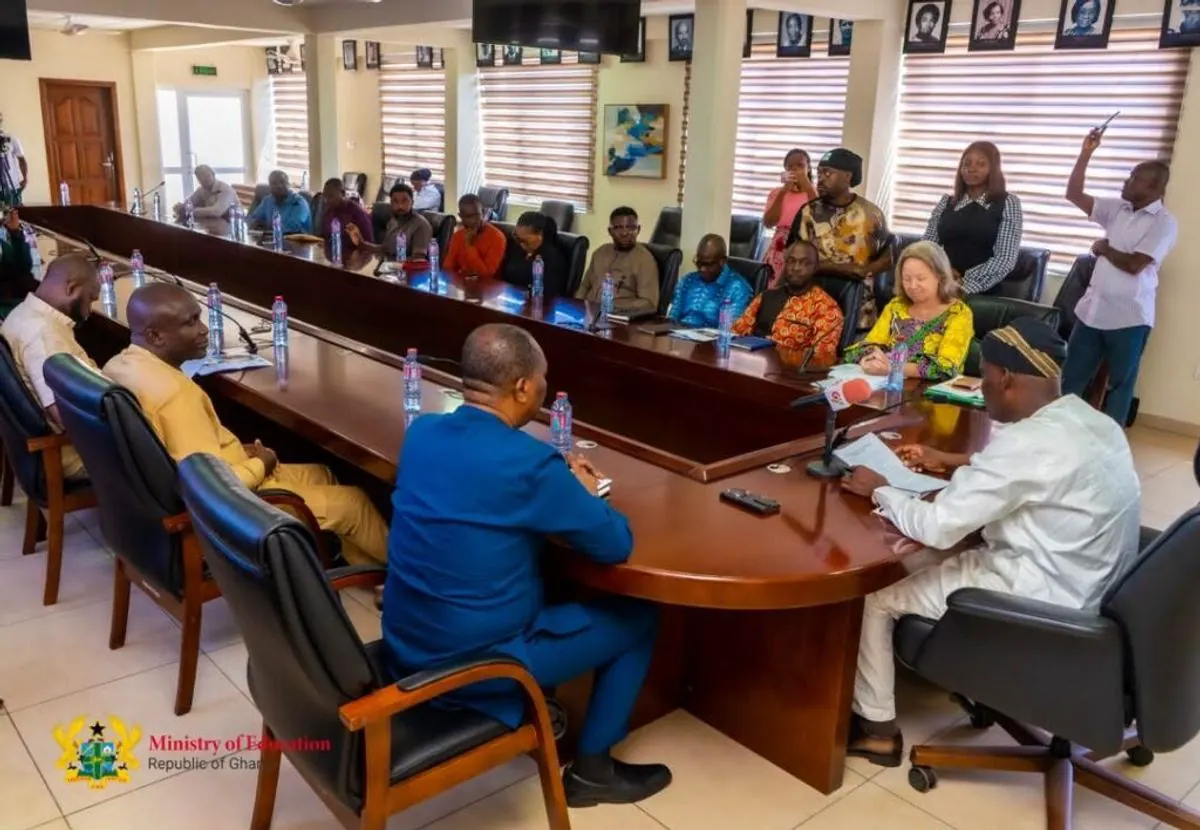
Ghana is advocating for stronger regional cooperation and sustainable financing mechanisms to ensure children remain in school during conflicts, natural disasters, and other emergencies that disrupt education systems. This initiative aims to address the challenges faced by West African countries in maintaining educational continuity during crises. The country's push for regional action highlights the need for collaborative efforts to mitigate the impact of emergencies on education.
The West African region has experienced numerous crises, including conflicts, floods, and droughts, which have significantly affected the education sector. Schools have been destroyed, and many children have been forced to drop out of school due to the lack of educational infrastructure. Ghana's initiative seeks to address these challenges by promoting regional cooperation and sustainable financing mechanisms. This approach is expected to enhance the resilience of education systems in the region.
The regional cooperation initiative will focus on developing strategies for disaster risk reduction and management in the education sector. This will involve the sharing of best practices, expertise, and resources among West African countries. The goal is to ensure that education systems in the region are better equipped to withstand the impact of emergencies. Sustainable financing mechanisms will also be explored to support the implementation of these strategies.
Ghana's push for regional action has been endorsed by various stakeholders, including education experts, policymakers, and development partners. They emphasize the need for a collaborative approach to address the challenges faced by the education sector during crises. The stakeholders also stress the importance of investing in education infrastructure and teacher training to enhance the quality of education.
The impact of emergencies on education can be severe and long-lasting. Children who are out of school for an extended period may never return to their studies, which can have negative consequences for their future prospects. Ghana's initiative seeks to prevent this from happening by ensuring that education systems in the region are more resilient and better equipped to respond to emergencies.
The regional cooperation initiative is expected to have a positive impact on the education sector in West Africa. It will enhance the capacity of countries to respond to emergencies and minimize the disruption to education. The initiative will also promote the sharing of knowledge, expertise, and resources among countries, which will help to improve the quality of education in the region.
Ghana's push for regional action to keep children learning during crises is a significant step towards ensuring the continuity of education in the face of emergencies. The initiative has the potential to make a positive impact on the education sector in West Africa and improve the future prospects of children in the region.
Key points
- Ghana is seeking stronger regional cooperation to keep children in school during emergencies.
- The initiative aims to address the challenges faced by West African countries in maintaining educational continuity during crises.
- The regional cooperation initiative will focus on developing strategies for disaster risk reduction and management in the education sector.