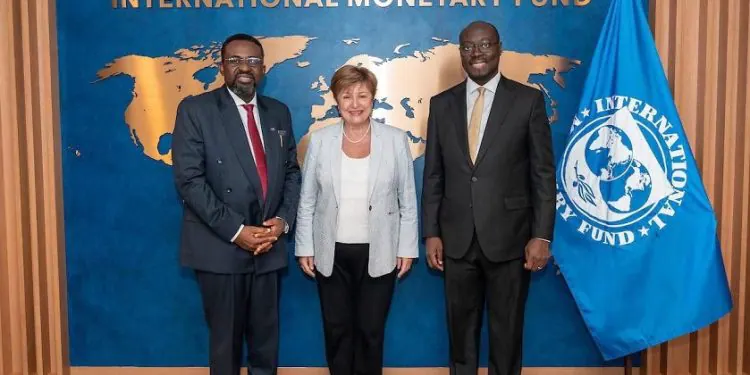
Ghanaian officials from the Ministry of Finance and the Bank of Ghana are participating in the IMF-World Bank meetings in Bangkok, Thailand, from October 12-18. This marks Ghana's first participation since its transition from the IMF's Extended Credit Facility (ECF) to a non-financing Policy Coordination Instrument (PCI). The new arrangement focuses on policy monitoring, reform implementation, and maintaining confidence in the economy.
The meetings provide a platform for Ghana to discuss its economic conditions, policy direction, and areas for further cooperation with investor groups. Officials will hold joint and separate engagements to explain the government's policy framework and explore opportunities for collaboration. This comes as Ghana seeks to consolidate progress made under its IMF-supported programme and sustain gains through fiscal discipline, effective debt management, and revenue mobilisation.
Under the PCI arrangement, Ghana will not receive fresh financing from the IMF. Instead, the government must demonstrate its economic policy framework remains credible and that it can manage financing needs while maintaining macroeconomic stability. The discussions will focus on benchmarks and reforms guiding Ghana's engagement with the Fund. An IMF staff team visited Accra in mid-September to discuss the new arrangement, with further engagements expected to clarify policy implementation monitoring.
Ghana's ability to sustain investor confidence will impact its access to international capital and future borrowing costs. Continued engagement with the IMF could reinforce policy credibility, but the durability of recent economic gains depends on implementation at home. The Bangkok meetings offer Ghana an opportunity to explain how it intends to preserve economic stability, manage public debt, and sustain reforms without relying on further disbursements under the completed bailout programme.
Investors will assess the government's commitments and evidence of progress on fiscal targets, expenditure control, and debt sustainability. The engagements come as Ghana exits a $3 billion bailout programme and seeks to reassure investors about its economic outlook. The government's policy direction and commitment to reforms will be closely watched by investors and stakeholders.
The IMF-World Bank meetings in Bangkok provide a critical platform for Ghana to engage with investors and demonstrate its commitment to economic reforms. The country's transition to a non-financing PCI arrangement underscores its efforts to maintain macroeconomic stability and policy credibility. Ghana's participation in the meetings reflects its determination to sustain economic gains and reinforce investor confidence.
The outcome of the meetings will have implications for Ghana's future borrowing costs and access to international capital. A successful engagement with investors could help reinforce Ghana's policy credibility and support its economic development goals. The government's efforts to sustain reforms and maintain macroeconomic stability will be closely watched by stakeholders in the coming months.
Key points
- Ghana officials attend IMF-World Bank meetings in Bangkok to reassure investors about the country's economic outlook and commitment to reforms.
- The meetings mark Ghana's first participation since its transition from the IMF's Extended Credit Facility (ECF) to a non-financing Policy Coordination Instrument (PCI).
- Ghana's ability to sustain investor confidence will impact its access to international capital and future borrowing costs.