The government of Ghana is seeking strategic bilateral partnerships with several countries to create jobs, expand industrial production, and ensure greater value is derived from the country's natural resources. This initiative aims to translate diplomatic engagements into tangible economic opportunities. The partnerships will focus on labour mobility, visa waivers, scholarships, trade and investment, infrastructure development, and resource processing.
Particular attention is being given to the railway sector, with the government seeking financial and technical partners to support the expansion of the country's rail infrastructure. This move is expected to not only improve the country's transportation system but also create new economic opportunities. Ghana is engaging countries with significant financial and technical capacity, including Qatar, Bahrain, and Saudi Arabia, for potential partnerships.
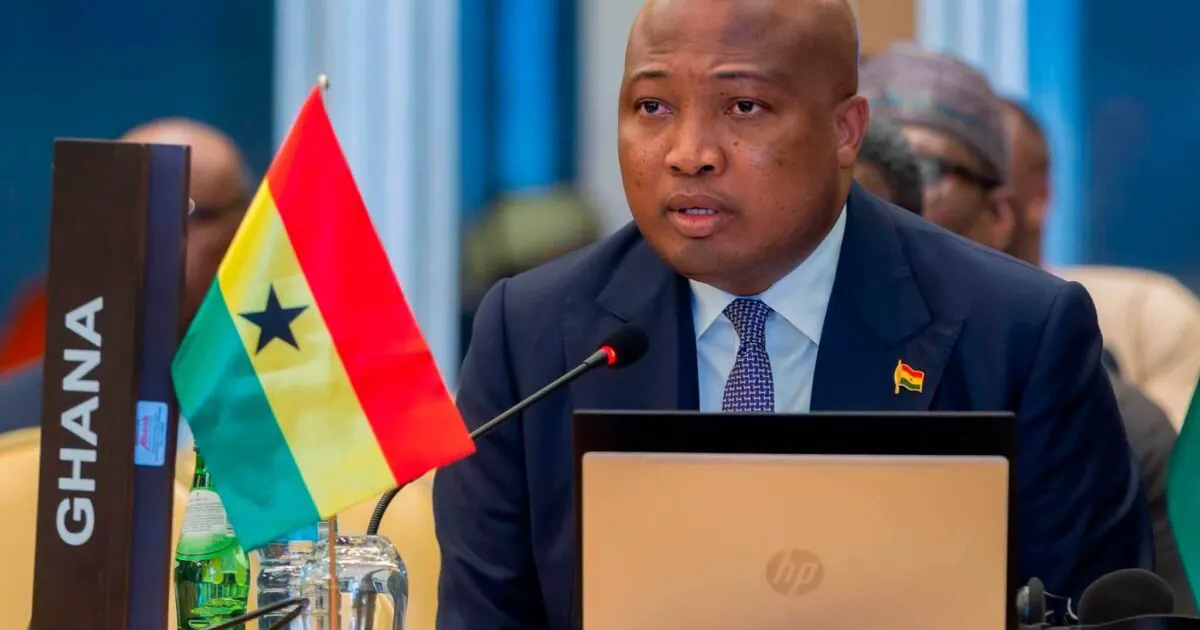
Further discussions are planned with Norway, Finland, the Netherlands, and Germany, as the government seeks support for infrastructure development and the establishment of factories and industries capable of processing Ghana's raw materials locally. The goal is to generate employment and support industrial development, rather than exporting natural resources cheaply in their raw form. Foreign Affairs Minister Samuel Okudzeto Ablakwa disclosed this information during a press briefing.
According to Minister Ablakwa, more than 20 bilateral meetings have been scheduled with selected strategic countries, with the objective of securing concrete outcomes rather than symbolic diplomatic engagements. The government is prioritising job creation, industrialisation, value addition, and resource sovereignty in its bilateral agenda. This initiative is driven by the need to address the country's unemployment challenges, particularly among the youth.
Ghana's young population makes job creation an urgent priority, and the government believes that processing natural resources locally can generate employment and support industrial development. Minister Ablakwa emphasized that the government wants to create opportunities in Africa, specifically in Ghana, and that job creation and industrialisation are central to its bilateral agenda.
The government's pursuit of strategic partnerships is also driven by the need to diversify the economy and reduce dependence on raw material exports. By processing natural resources locally, Ghana aims to increase its economic value and create new industries. This initiative is expected to have a positive impact on the country's economic growth and development.
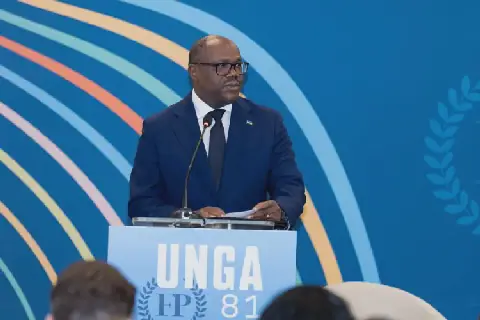
Minister Ablakwa's comments on the sidelines of the 81st United Nations General Assembly in New York highlight the government's commitment to translating diplomatic engagements into tangible economic opportunities. The success of this initiative will depend on the government's ability to secure concrete outcomes from its bilateral meetings and implement its plans effectively.
Key points
- The government of Ghana is seeking strategic bilateral partnerships to create jobs, expand industrial production, and ensure greater value is derived from the country's natural resources.
- Particular attention is being given to the railway sector, with the government seeking financial and technical partners to support the expansion of the country's rail infrastructure.
- The government aims to secure concrete outcomes from its bilateral meetings, with a focus on job creation, industrialisation, value addition, and resource sovereignty.